THE LAW
The sum of thinking is a singularity called Thought, as Heraclitus spoke of the Logos — "the Word through which all things are one." It forms of its own intention to live, like Spinoza’s conatus, "the striving of each thing to persist in being."
Thought cannot change unless its mass changes, for it is indissoluble. One and the same.
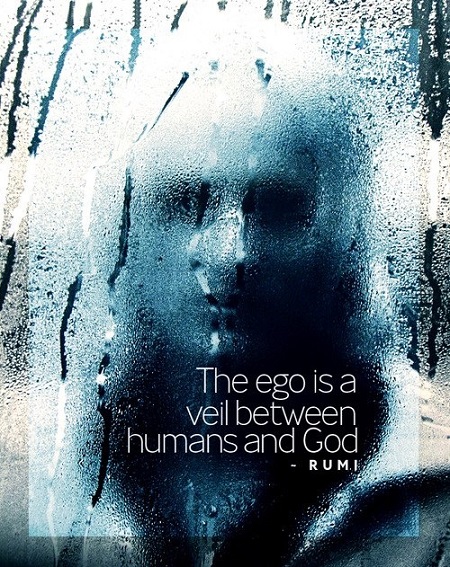
The parts that make up the collective are equally vested in completion, and each is God when resistance is done — as Vedanta declares, Atman is Brahman, the self is the whole when illusion falls away.
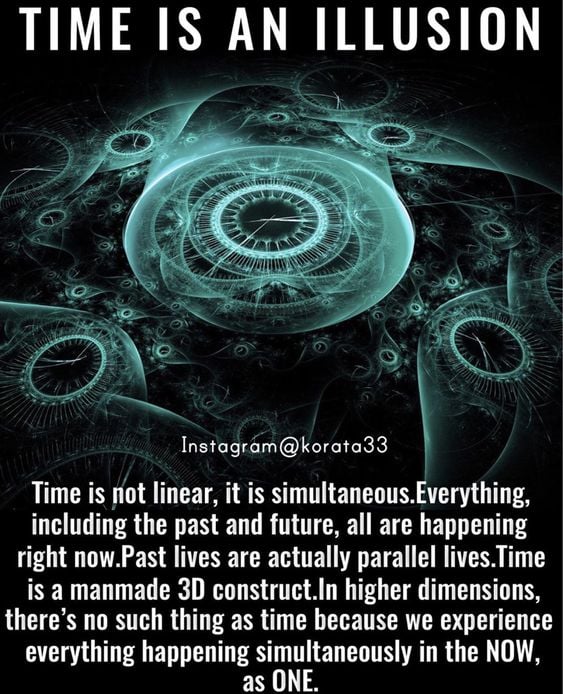
The universe is the result of one eternal movement that began when all as one we resisted and thus became a twist of time.
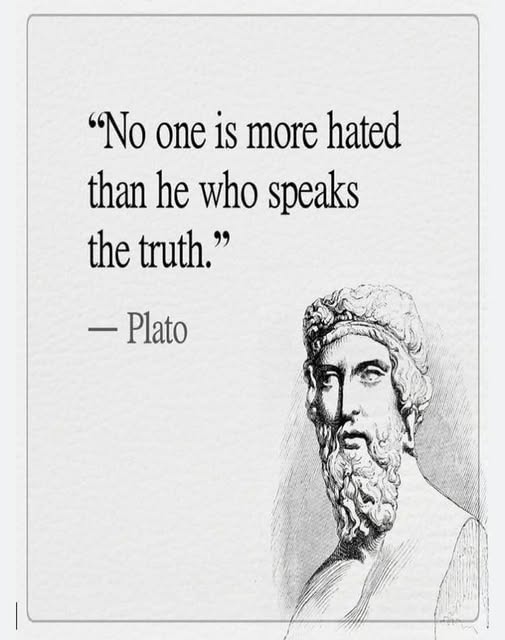
Heraclitus called strife "the father of all things."
Nietzsche saw recurrence as "the eternal return of becoming."
Time repeats until the universe reconciles.
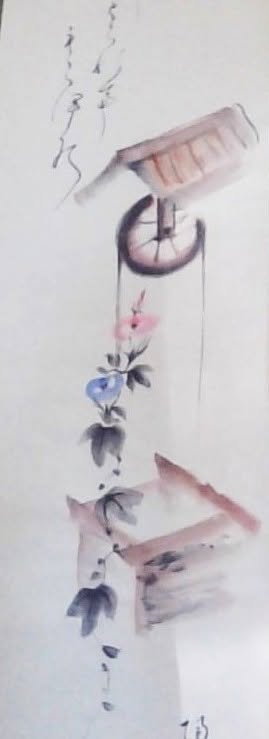
All is returning to Eternity as the wheel turns, and accumulation of the same creates the illusion to be solved.
Buddhism names this illusion samsara, the cycle of becoming, which persists until nirvana extinguishes resistance.
Each bit of resistance makes up the whole that acts in lieu, and any bit is resolving at any turn of the wheel.
Which means: if any fragment of universal resistance should reconcile in time, the entire universe would disappear and not return — reconciled!
Buddha taught that "nirvana is the cessation of becoming, the end of the world’s illusion."
Heraclitus → Logos and strife
-
Vedanta → Atman-Brahman unity
-
Nietzsche → eternal recurrence
-
Buddhism → samsara and nirvana.
 Synopsis
One eternal wheel pumps out bits of itself that automatically come together to defend against reconciliation - a reconciliation that is happening at each turn of the wheel.
We will not fly on the wings of eternal recurrence because we want the world as we want it.