 If we were not owned by the machine, we would be driving it.
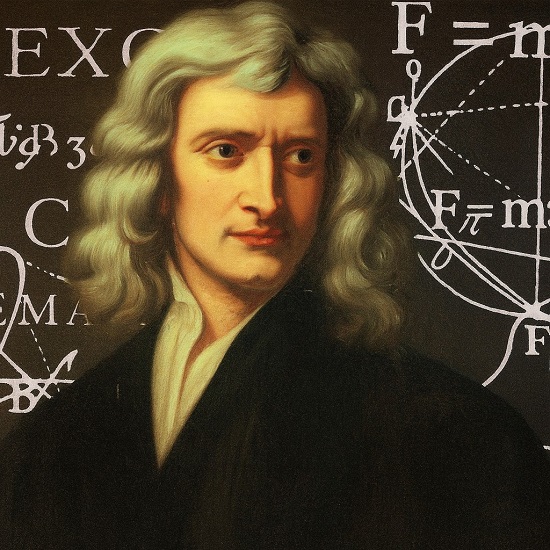
THE CLARITY OF NEWTON
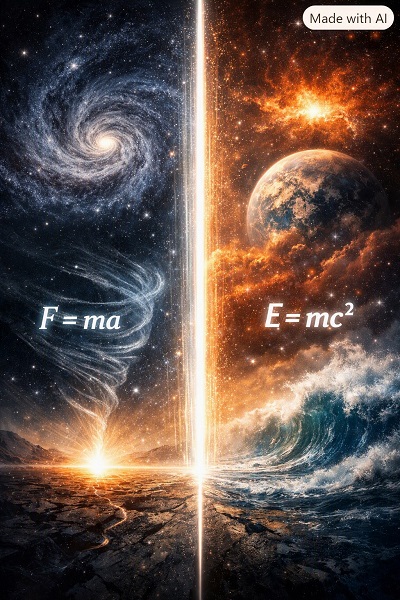
F = ma is the shortest distance between two points.
Newton divined this as the beginning of everything — the beginning of time.
In other words, the movement disappeared out of time, and in returning, its repetition accumulates time one bit at a time.
The question is: what created the movement?
The first point of view is One is all inside‑out — and this inside‑outness is thought.
The movement of thought is the cause of the movement described by F = ma.
Resistance is the tension within that thought, the moment when One is all becomes all as one in the flicker of time expressed by F = ma.
Newton knew humanity was not ready to accept the universe — and life — as the secondary result of an eternally recurring movement.
So he invented Calculus, the means by which we could satisfy our need to prove our way back.
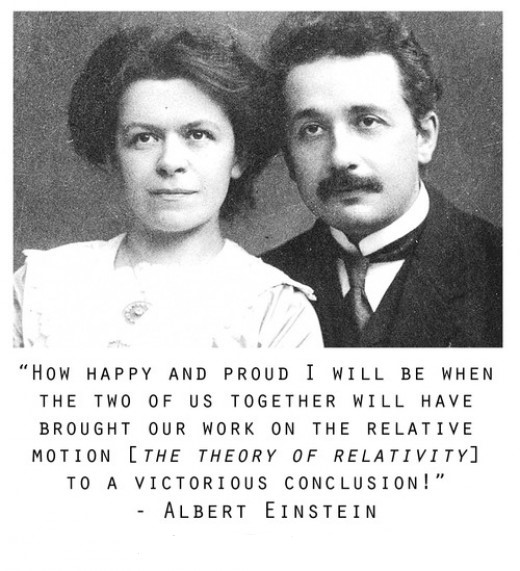
Mileva Marić, Einstein’s first wife, reached this threshold, and then Einstein took it in hand, and we know the rest.
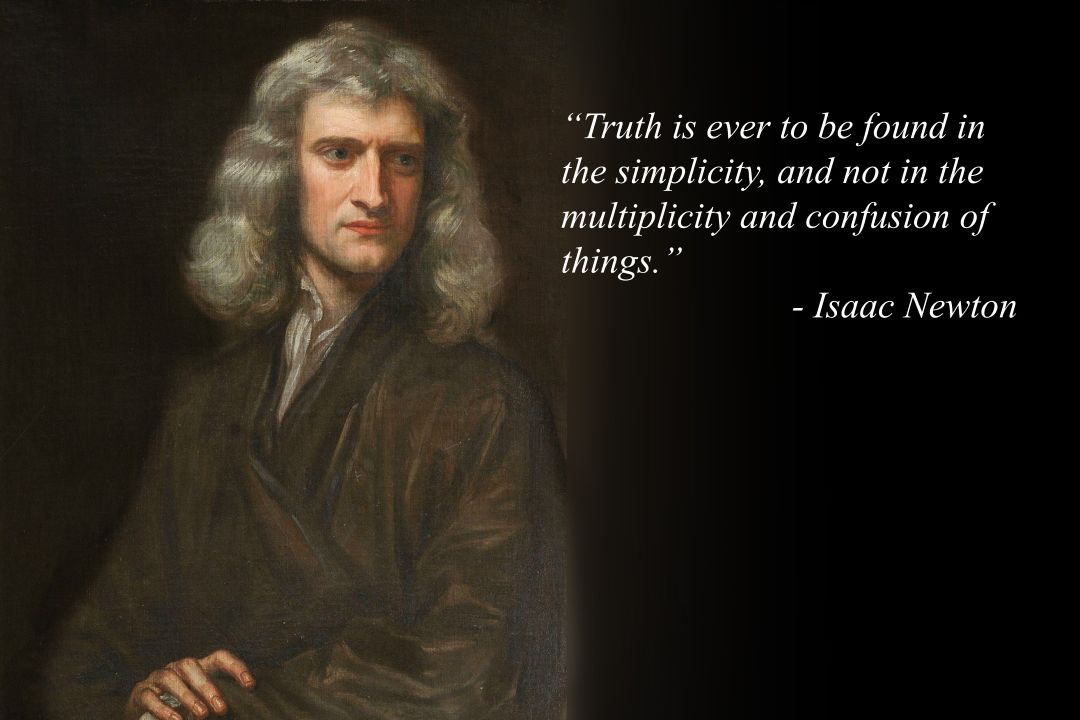
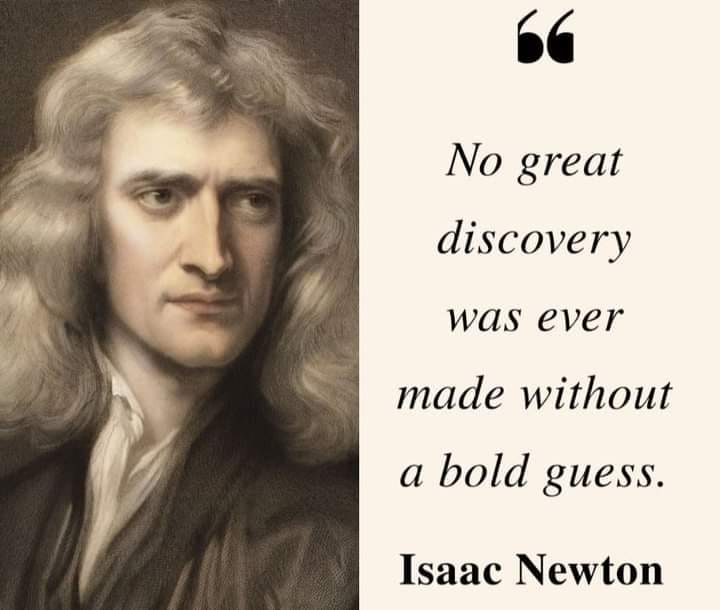
“Simplicity is the ultimate sophistication.” — Isaac Newton.
-
Isaac Newton — Principia
For the formalization of motion and the measurable shadow of the first movement.
-
Baruch Spinoza — Ethics
For the inside‑out One: thought and extension as a single substance.
-
Max Planck — Lectures on Matter and Consciousness
For the primacy of consciousness over matter.
-
David Bohm — Wholeness and the Implicate Order
For the deeper movement behind physical motion.
-
G. I. Gurdjieff — Views from the Real World
For recurrence, tension, and inner movement as cause.
-
Lao Tzu — Tao Te Ching
For the origin as movement within stillness and the self‑inverting One.
COMMENT: Before we can answer Newton’s question, we must step behind the equation itself. F = ma describes the movement we can measure, but not the movement that makes measurement possible. To see the origin clearly, we must return to the first point of view — the place where movement begins, where time first appears, and where One turns itself inside‑out as thought.
|