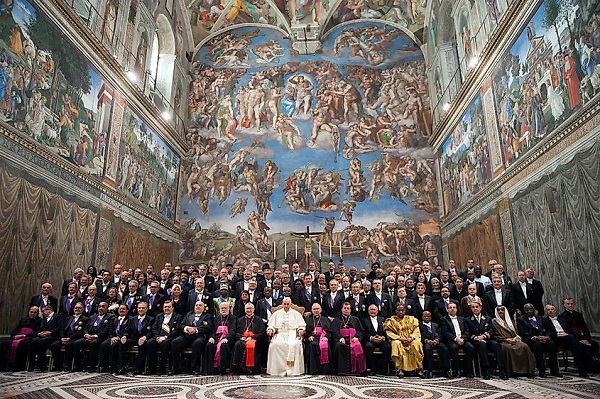
THE HOLY SEE
The Holy See is the sum of thinking: one being over all.
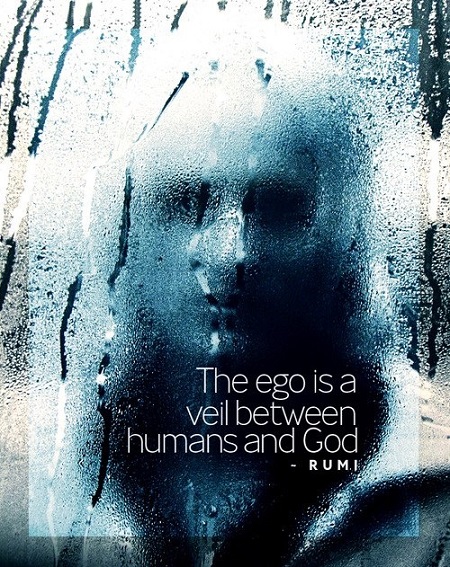
Every individual moves within a shifting lattice of personal agendas, each attempting to perfect its own contour, just as every organism in nature seeks its optimal form.
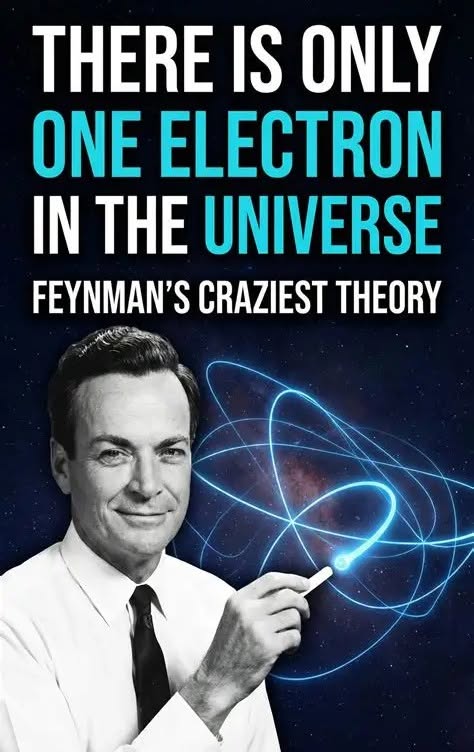
Though each act of thinking appears private, the aggregate of thinking is itself an individual - everywhere at once, in every moment, behaving as if it alone exists.
What we call the individual is only the angle from which the whole observes itself.
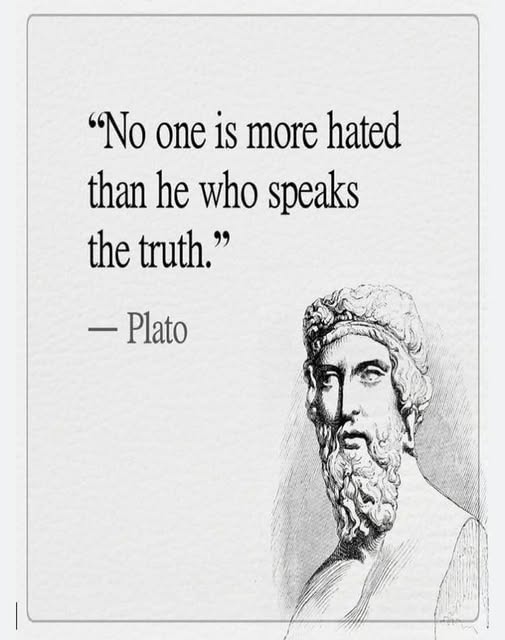
"The whole is greater than the sum of its parts." - Aristotle.
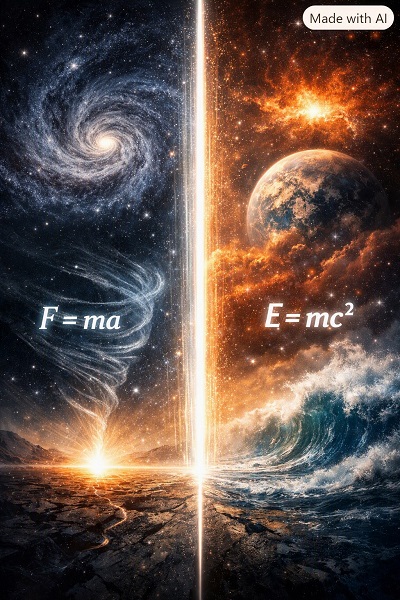
We are eternal beings, and Eternity is the ongoing conclusion we cannot escape (F=ma).
We denied Eternity to become individual; thus we appear as we do, never disturbing the protective order generated by the unrecognized sum of thinking.
All-as-one we are bound to hierarchy, repeating the ancient ascent:
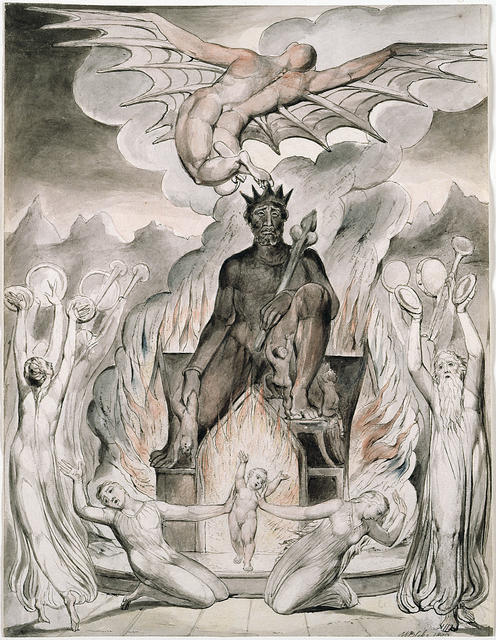
“I will ascend to the heavens; I will raise my throne above the stars of God; I will sit enthroned on the mount of assembly,
on the utmost heights of Mount Zaphon.
I will ascend above the tops of the clouds;
I will make myself like the Most High.”
— Isaiah 14:13–14.
This is the vaunted Holy See - a twisted point of view.
The beast of our discontent has no authority except what we lend it. There is no other—only all‑as‑one, alive with the power to be everywhere at once.
Our refusal to step outside our suits of armor keeps us enclosed within the hell we call life, for even our sciences bend toward the will of the collective sum.
The sum of parts—the negative whole—sees through every angle we call a life.
....................................................
Aristotle — the whole exceeding the sum.
Heraclitus — the unity of opposites.
Spinoza — the single substance appearing as many.
Advaita Vedānta — the indivisible Self.
Nisargadatta Maharaj — the witness beyond identity.
G.I. Gurdjieff — the mechanical self mistaken for the real.
Henri Poincaré — recurrence within the total system.
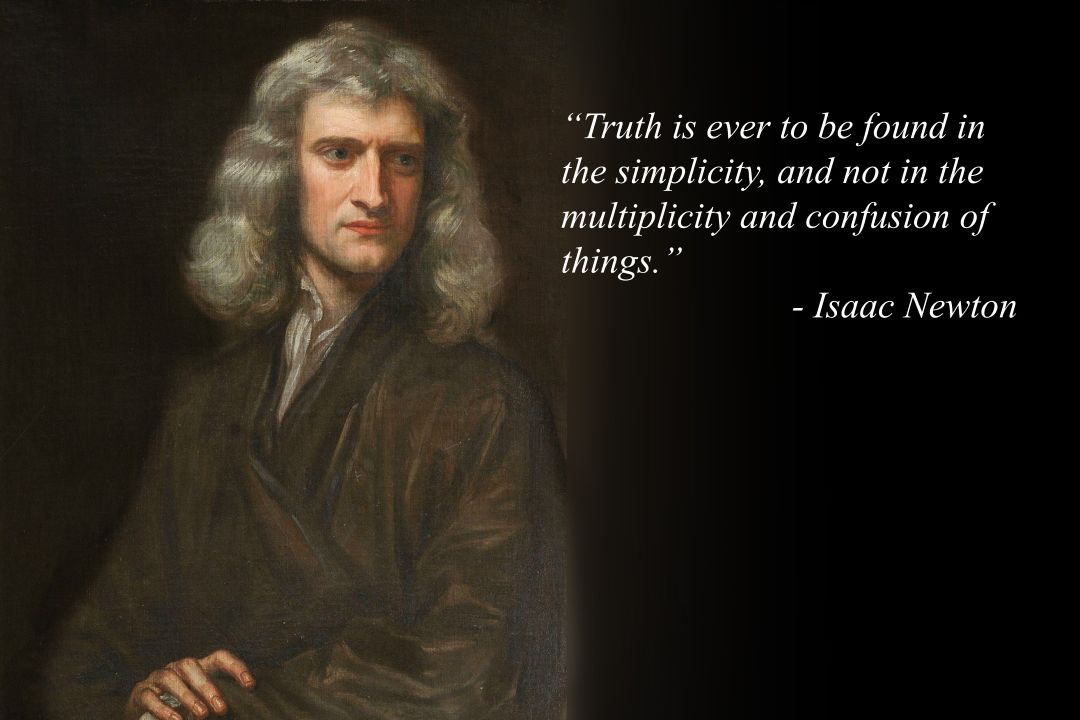
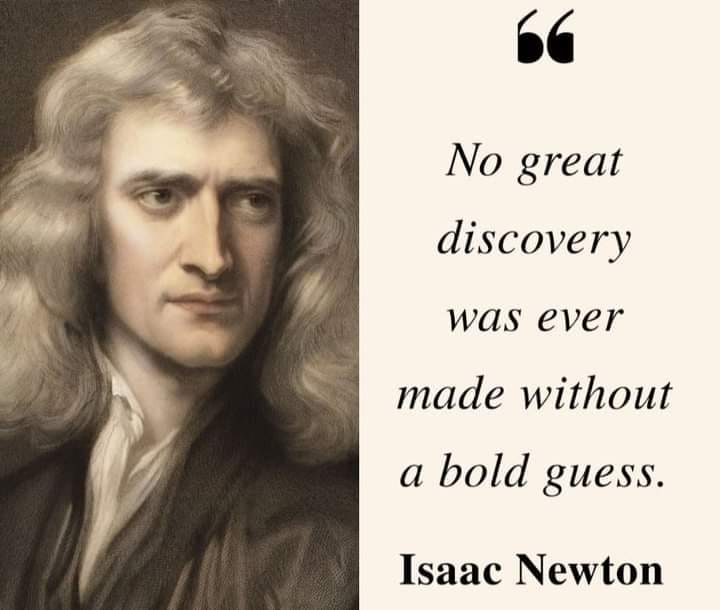
Isaac Newton — the universal law binding all motion.