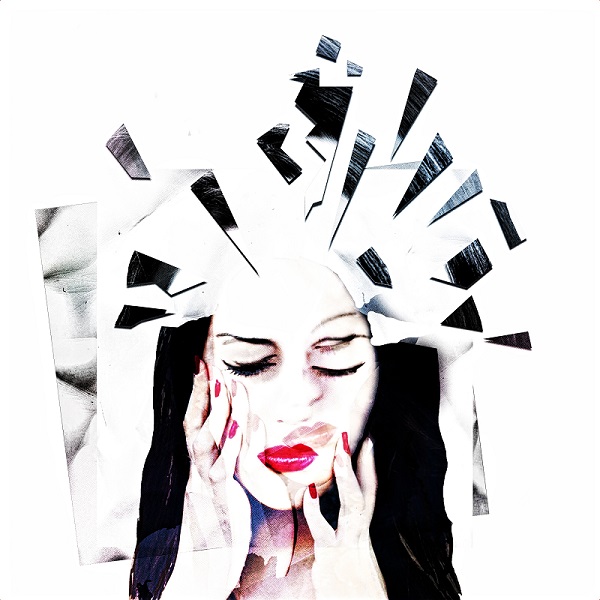
"And still, I rise.”
Maya Angelou
Having been diagnosed with bipolar disorder, post traumatic stress disorder (PTSD), and dissociative disorder, you could say I have a vested interest in mental illness. I have lived with it since at least the age of three with an especially acute onset of symptoms in my early teens. It has colored, or discolored, every aspect of my life from relationships to keeping a job. It has even threatened my life.
So what is this thing called mental illness? It is a disorder that can cause psychological and behavioral disturbances with varying severities. And it is pervasive.
Statistics found on the website Mental Health First Aid, show that almost half of all adults (46.4%) in the US will experience a mental illness during their lifetime. Of those 5%, or 43.8 million people, will experience a mental illness in any one year. And of those 14.4% will suffer from one disorder, 5.8% from two disorders, and 6% will suffer from three or more.
Again according to Mental Health First Aid, most mental illnesses have their genesis at early ages, with half beginning by age 14 and three-quarters by age 24. In my case it seems to have made its first appearance at around three-years-old when I went from being a normal, happy, gregarious, toddler to a fearful, withdrawn and, in some ways, emotionally isolated child. Extensive therapy has not uncovered any other noteworthy cause for a change this profound. I first sought out help in my mid teens but due to social stigmas hid it for years. Perhaps this is why only 41% of the people who had a mental illness in the past year received professional health care. This means there are many more out there who are needlessly suffering.
There are many causes for developing mental illness. They can be genetic, psychological, biological, environmental, or a combination of these. Symptoms can be overt or they can remain subtle and overlooked or misdiagnosed.
There is immense stigma attached to mental illness and there always has been. It is frustrating to know that something isn't right with ourselves but not being able to define what the something is. We judge ourselves harshly and are judged by others for failures we may have no control over. Throughout the ages those who suffered have been revered for being seemingly "touched by God", feared for their differentness, and scorned for their perceived moral weakness. Rarely has it been simply accepted as a fact of life and dealt with with any possitivity.
Interestingly enough, according to a 2018 article on insidermonkey.com that ranks mental illness rates throughout the world, some developed nations rank higher than those considered developing. Switzerland, despite having the most expensive health care in the world, ranks at the top of the list while the US ties with Germany for the number three spot (France was number two). The reasons for this, as one can imagine, are subjective at best.
In the US, New Jersey is reported to have the lowest rates of overall and severe mental illness while Utah rates as having the highest, and West Virginia is reported as having the most causes for mental illness. Availability of treatment tends to fall along a state's economic status with Massachusetts, North Dakota and Minnesota consistently scoring on many lists as having among the best available in the nation.
There are a number of significant warning signs to watch for when it comes to possibly having a problem with mental illness. Those listed include:
-Prolonged sadness
-Frequent mood changes
-Social withdrawal
-Illogical thoughts
-Changes in sleep cycle
-Confusion or reduced concentration
-Major shifts in eating habits
-Significant lethargy and tiredness
-Delusions or hallucinations
-Physical ailments without an obvious cause.
If you think you or someone you love might need help it is recommended that you speak with a professional such as your primary doctor or a mental health care professional. If you are uncomfortable enough to hesitate in reaching out then it is suggested that you speak with a trusted friend or family member for support in finding help. Above all it is important, if not imperative, that a diagnosis, if one exists, be made so that treatment can commence.
Mental illness in all its varieties is nothing to be ashamed of. It is an illness no different than diabetes or heart disease. It is not always obvious and it can be extremely dangerous to oneself and others if left untreated, but most importantly IT IS TREATABLE. Becoming educated is the best course of action in learning how to live with it.
c. 2019
References
mentalhealthfirstaid.org/2019/02/5-surprisingmentalhealthstatistics/
insidermonkey.com/blog/16-countries-with-the-highest-mental-illness-rates-in-the-world-649757/singlepage=1
healthprep.com/mental-health/5-signs-you-may-have-a-mental-disorder/11/?utm_source=bing&utm_campaign=328752048&utm-medium=search&utm_t...
|








I am so glad that I do not have to live with mental illness pulling at me from all directions. It makes it easier to focus on writing.
Ron