For years I listened to writing friends, professors and I read books trying to come up with a definition of what was a round character. Back in the early 1970s, after I'd come back from Vietnam and was working on an Associate of Arts degree at this community college in a suburb of Pittsburgh, my writing gave one of my professors a good laugh. She knew Hemingway was a writing hero of mine and I was trying to write stories like he did, stories without going into the mind-set of my characters. I was trying to tell my stories strictly by what the reader could see or hear, strictly through the senses.
The professor laughed at how flat my characters were, how one dimensional they were. She was right. And I knew she was right. She and others pointed out that if I refused to let my reader know what was going on inside my characters, what they were feeling and thinking it would be nearly impossible to write fully developed, believable, rounded characters.
Well, being young and stubborn I went on for years getting better at writing short stories but my characters remained flat. Then I stumbled across the answer. A round character has "internal conflict" or "doubt." This was my great discovery. No doubt writers who were better at their craft than I was knew this fact but I had to discover it for myself. It meant I didn't have to put the reader inside the minds of my characters to let the reader know what the emotions of my characters were; I could "imply" my characters states of mind and emotions by what they did and said. And if what they did and said indicated internal conflict or doubt they would be fully rounded characters.
Because my stories were so short I only needed one fully rounded character. Try letting an internal conflict or doubt show through the actions and dialogue of one of your characters and see if this doesn't make that character more alive, more real, and more of a rounded, believable character.
thanks for sharing this information any of us who write can use. it is nice how you don't go on and on and on...but make your points quickly and precisely...later you might put craft than where you have "craft then" [line 13] just trying to help.
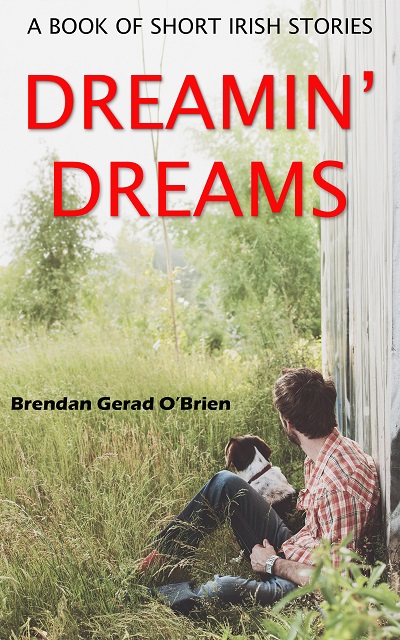
Dreamin’ Dreams is more than a collection of stories; it is a celebration of Irish life, adventure, and the unforgettable characters who make growing up in Ireland a journey worth remembering.
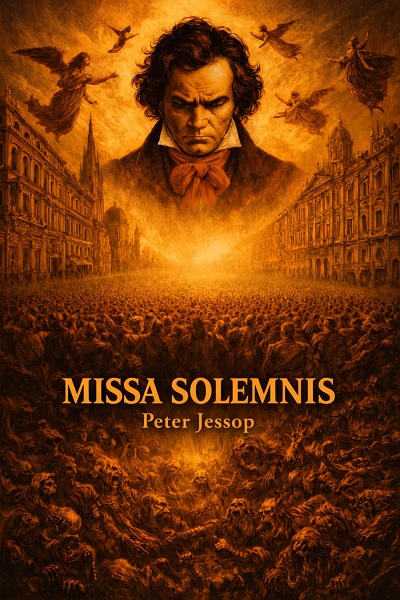
As deafness, illness, and demonic forces close in around him, Ludwig van Beethoven must summon his faith and genius to complete the Missa Solemnis—a sacred masterpiece he believes could bring divine light into a darkening world.