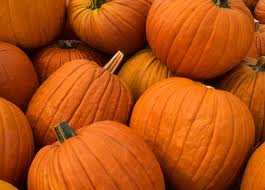
A wonderland of pumpkin personalities awaits us in autumn pumpkin patches to become Jack-o'-lanterns and pumpkin pies. No longer limited to orange, a palette of colors now includes ghastly grays, ghostly whites and ghoulish greens. Pumpkins also vary in size from “jack-be-little” mini pumpkins that fit the palm of a hand to mammoth models – some weighing more than 1,000 pounds!
Our Native American ancestors were masters in maximizing resources, using all parts of a plant whenever possible. The pumpkin was one such plant. Because it was difficult to clear land by hand or with simple tools, Native Americans planted squash or pumpkins in mounds among their corn and bean plants. These three companion plants became known as “The Three Sisters,” the traditional staples of the tribes' diet. As the bean plants climbed up the corn stalks for support, the pumpkins or squash vines spread out, covering the ground like the skirt of an Indian maiden. The shade cast by the leaves also kept weeds down and helped conserve moisture for the roots of the sister plants.
When the fruit was harvested, Native Americans roasted long strips of pumpkin meat and the seeds for food and wove dried strips of the rinds into mats. They saved some seeds for the next year’s crop, and fed chunks of pumpkin meat to the animals and livestock. From seeds to rind, Native Americans shared the many uses of the fruit with the first colonists who took seeds back to Europe on return trips. The seeds eventually traveled throughout the world, finding new homes on all continents except Antarctica.
Pumpkin was a “standing dish” of early settlers, meaning it was eaten every day and possibly at every meal. Early colonial wives relied on huge kettles of stewed pumpkin to feed their families during the fall and winter months. They also created an early version of our popular pumpkin pie by cutting the top off, removing the seeds and strings and adding milk, honey and spices. The “pie” was then baked in its shell in hot ashes or coals, which also made for easy clean up.
From fairy tales and nursery rhymes to scary tales around the campfire, the pumpkin has found its way beyond our diet and taste buds to our literature and folklore with characters like Peter, the pumpkin eater and Washington Irving’s the headless horseman. The pumpkin is the mascot of magic for the season from the pumpkin that was transformed into Cinderella’s carriage to Linus’ anticipation of the Great Pumpkin's annual visit.
The most familiar legend of the season comes from the Celtic traditions of England and Ireland, where people created fairy lanterns from beets, turnips and potatoes to carry with them as protection from evil spirits. The Jack-o’-lantern received its name from a miserly chap named Jack who was reputedly meaner than the devil, beating him at even bribery and trickery. Rejected by both heaven and hell when he died, Jack was doomed to wander the earth in search of peace for his restless soul. He begged the devil for at least a candle so he could see his way in the dark. To get rid of his nemesis, the devil threw Jack a hot coal, which he put in a hollowed turnip so he wouldn’t burn his h ands.
The Irish called this ghostly figure creeping through the shadows, “Jack of the lanterns,” later shortened to jack-o’-lantern. Eventually they carved their own versions of the Jack-o’-lantern from potatoes and turnips, and placed the carved lights in windows and doors to scare Jack and other evil spirits away.
Pumpkins have fed us, scared us and amused us with their creative and practical uses for centuries. Modern uses have gone beyond the practical and focus on fun and delicious seasonal recipes. Instead of the triangle eyes and noses of simpler times, now pumpkin carvers create elaborate caricatures and characters that reveal each pumpkin’s personality. Festivals feature pumpkin carving, contests for the biggest pumpkin, recipes and even pumpkin-throwing and pumpkin bowling contests.
Maybe the eternal optimist, Linus, was right after all!
“Oh, Great Pumpkin, where are you?” ~ Linus