The surge no one is talking about: Afghanistan this Spring.
As Bush prods NATO into a renewed attack on the embedded Taliban this Spring - a surge which has already cost scores of innocent Afghan lives as well as those of our own troops - it's worth asking if there is not another way. Another way to curb the Taliban influence that does not involve shooting people.
History is helpful here. In the 1970s, Turkey was the largest supplier of Heroin in the world. Then, the United States got smart and just started buying the poppy crop - we still do. The government sold it to U.S. pharmaceutical firms to make legitimate drugs - remember, there are no bad plants, only bad uses for plants. The drug cartel lost control of Turkey and today Turkey is one of our staunchist allies in the Middle East.
Facts from the CIA world fact site etc: The GDP of Afghanistan in 2006 was something under 40 billion. 60% of Taliban monies come directly from poppy production. Growing food staples is either uneconomic for the average afghan farmer, or outright forbidden by the Taliban militia who control the rural regions.
We should buy the crop - all of it - from the Afghan farmers. This would:
A. End 60% of Taliban income immediately.
B. Put us on the side of the Afghan farmer instead of us making war upon him. Hearts and minds...
C. Put a serious dent in the Heroin trade - a concern for Russia and Europe as well as us, and they blame us for the current drug problem.
D. Allow us to influence the Afghanistan people by becoming their respectful partner instead of their bullying enemy (there is something extremely unseemly about a country of our size, might, and moral stature going around burning the fields and dropping bombs on subsistence farmers in a desperately poor country).
Bush's answer to foreign policy seems to be to either go to war or threaten to. There are other answers (many of them, in fact) IF people are willing to examine history and be creative.
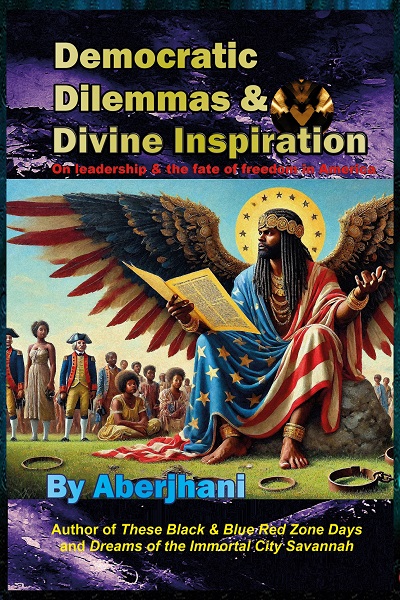
Democratic Dilemmas and Divine Inspiration examines the significance or relevance of the idea that the U.S. Constitution was, as many believe, divinely inspired. How much did that belief matter to founders of the nation and how much does it matter no
Democratic Dilemmas and Divine Inspiration examines the significance or relevance of the idea that the U.S. Constitution was, as many believe, divinely inspired. How much did that belief matter to founders of the nation and how much does it matter no