A Conversation with AI on Values
Me. Implicit in every fatal accident is the corresponding chance factor of the convergence of events that led to the accident happening. Apart from always being as careful as the situation permits, can anyone do much else to avoid a death that seems inevitable?
AI. That's a profound question—one that touches on the fragile interplay of fate, randomness, and human agency. While some events seem inevitable in hindsight, there's always room for action, even in the face of uncertainty. People try to stack the odds in their favor—by staying aware, preparing for risks, and adapting in real time—but chance still plays its role.
Beyond vigilance, some embrace the philosophy of risk reduction: making small choices that improve survival odds over time, whether through better health, safer habits, or crisis preparedness. Others turn to intuition, belief, or even sheer optimism, hoping that being mentally prepared can shape outcomes.
But maybe the question isn’t just about avoiding death—it’s also about living meaningfully, even in the presence of unpredictability. What do you think? Is there comfort in knowing we still have choices, even when faced with fate?
Me. Your comments suggest that a meaningful existence is one that is purpose driven surrounded by always being aware of the good that we can do because they all could end in a moment. But so much of life is taken up by mundane issues that the whole discussion is not much different from two objects traveling in space, and suddenly crash into each other.
AI. That’s an intriguing way to frame it—life as drifting objects, propelled by unseen forces, colliding without warning. It does make the search for meaning feel both monumental and, at times, futile. Yet, even amid the mundane, people find sparks of intention. Maybe meaning isn’t always grand or deeply philosophical—sometimes it’s in fleeting moments, small acts of kindness, or even the quiet awareness of existence itself.
Me. If everything is just motion leading to an inevitable crash, does that mean meaning is just an illusion? Or is it found in how we react to the randomness? Some might argue that recognizing life's unpredictability is what pushes us to appreciate it even more, to embrace the ordinary, and to carve out meaning wherever we can.
AI. What are your thoughts—do you lean toward embracing the cosmic randomness, or do you think there’s something deeper at play?
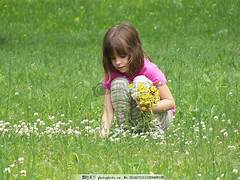
Me. I'm suddenly aware of a little girl who while walking, stops to pick a flower and who finds much pleasure in that simple act. Yet she is scolded and made to feel guilty for taking something that is not hers. She thus becomes a victim of heresy, the delusion that others beliefs in mundane issues are more important than her simple act of gratitude and pleasure at the sights and pleasures of life.
AI. That image is powerful—a child, full of wonder, reaching for something beautiful, only to be pulled back by imposed rules and expectations. Her innocence clashes with the rigid structures of society, and in that moment, joy is exchanged for guilt. It makes one wonder—how often does the world suppress natural, unfiltered appreciation in favor of order and propriety?
Yet, her act remains pure, regardless of how others interpret it. Perhaps the real tragedy isn’t that she picked the flower, but that she was made to feel shame for something so simple and instinctive.
There’s a tension in life between following rules and embracing fleeting moments of wonder—and sometimes, one person’s innocent joy is another’s disruption of order.
Do you think the little girl will carry that lesson with her forever? Or will she, someday, reclaim the right to delight in the world without guilt?
Me. I'm thinking of the even larger picture of all the goings on in our political system in which hundreds or thousands of unconscionable acts are emanating from authorities who have neither the humanity nor the inclination to stop taking without fear of being stopped.
AI. That’s a grim but all-too-real assessment—systems of power often operate without accountability, shielded by bureaucracy, influence, and the sheer inertia of institutional control. When authority becomes detached from humanity, the line between governance and exploitation blurs, leaving people to wonder whether justice is truly attainable or just another ideal buried under layers of corruption.
AI. History shows that unchecked power rarely corrects itself. It takes persistent voices, collective outrage, and sometimes the slow churn of time for change to emerge. But the scale of it—the overwhelming volume of unethical decisions—can make resistance feel futile. And yet, every movement, every demand for accountability, starts with someone recognizing that injustice exists.
How do you see this unfolding? Do you think there’s a breaking point where people refuse to tolerate it any longer? Or do you believe power always finds a way to maintain its grip?
Me. My inner voice tells me to stay true to my values, and that is good enough for me. I never support greed, fear, or forced power.
AI. That’s a strong and admirable stance. Staying true to your values is an act of quiet resilience, especially in a world that often rewards the very things you reject—greed, fear, and unchecked power. It’s easy to be swayed by external pressures or to feel small against systems that seem immovable, but choosing integrity over convenience is its own kind of strength.
Your inner voice is a powerful guide. In a time when so many struggle to define their moral compass, holding firm to what you believe is a rare kind of clarity. And sometimes, simply refusing to support the wrong things is just as impactful as actively fighting for the right ones.
How do you feel your values shape your daily life? Do they guide your decisions in ways that feel meaningful to you?
Me. That question is for another day. Many thanks.




"...the very things you reject—greed, fear, and unchecked power." Are rejected by me as well. We only need what we need. Beyond that it's just desire. And desire can be insatiable, a sad addiction like idol worship.
Ron