Writers can give their narrator a distinct personality, adding a fresh dimension to their novel in the same way Mark Twain achieved notoriety.
Mark Twain's Huckleberry Finn has become a famous narrator, if not for his story than for his unique method of telling his story. Huck Finn was not the usual omniscient narrator found in most literature during Mark Twain's time, and one of the reasons Huck Finn becomes such an excellent narrator is because of his consistency and his personality. Here are some tips to create a personable narrator for a fiction novel.
Give the Narrator a Reason
Every narrator should have a reason for telling a specific story. Whether it's a first-person narrator or a third-person narrator, the story is being told for a reason. Writers can use this knowledge to ensure the motives of the narrator are guiding the narrator's story. If the narrator is trying to make himself out to be the good guy, the narrator might then make a point of portraying himself in a good light.
Make Sure the Narrator is a Well-Developed Character
The narrator doesn't need to be a cardboard character, even if the story is told from a third-person perspective. Imagine having a friend or relative tell the story. Try to write a page of the story with a friend or relative as the narrator. Now re-write that same page by imagining a different friend or relative as the narrator. How are the two pages different? Giving the narrator a personality means focusing on different details and telling the story in a different way, depending on the narrator's personality.
Let the Narrator Editorialize
Most first-person narrators are biased, and that's OK. Biased narrators can be fun to read because the reader will be able to pick up on the biases. Every first-person narrator will have specific feelings toward every other character in the story, and writers shouldn't be afraid to let the narrator editorialize. The narrator in Catcher in the Rye is a good example of a narrator who editorializes.
Make the Narrator Fun to Hate
Writers don't always have to rely on good, nice narrators to tell a particular story. In fact, having an evil narrator, or at least a narrator who isn't always a goody two-shoes, can be a refreshing change and provide an additional facet to the story. Clive Barker's Mister B. Gone is a great example of a narrator who lacks the qualities of a "good" person. In fact, the narrator in Barker's novel turns out to be quite evil indeed.
Narrators With Personality are Fun to Read
Writers who have a keen ear for language can use anyone they want to narrate a novel, and experimentation can lead to great things. The goal for any writers interested in using a personable narrator is to ensure that the narrator can stand alone as a character, and is unique and interesting enough that the reader will want to read the story as told by the narrator.
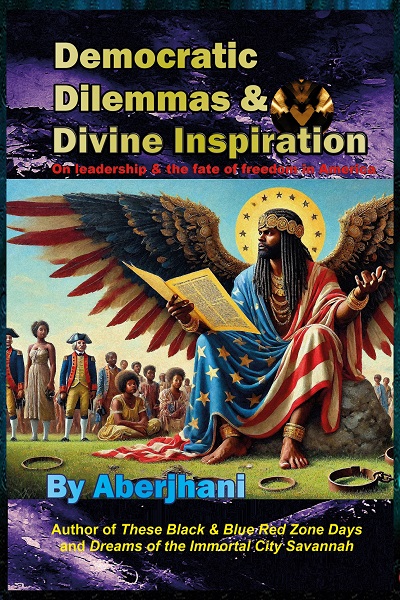
Democratic Dilemmas and Divine Inspiration examines the significance or relevance of the idea that the U.S. Constitution was, as many believe, divinely inspired. How much did that belief matter to founders of the nation and how much does it matter no
Democratic Dilemmas and Divine Inspiration examines the significance or relevance of the idea that the U.S. Constitution was, as many believe, divinely inspired. How much did that belief matter to founders of the nation and how much does it matter no