|
Cultural diversity is a tricky road to walk
Within the walls of diversity inroads can be used to build trust between different cultures and I would like to discuss issues like cultural safety , safe work practices , cross cultural communication skills and self-determination initiatives ,
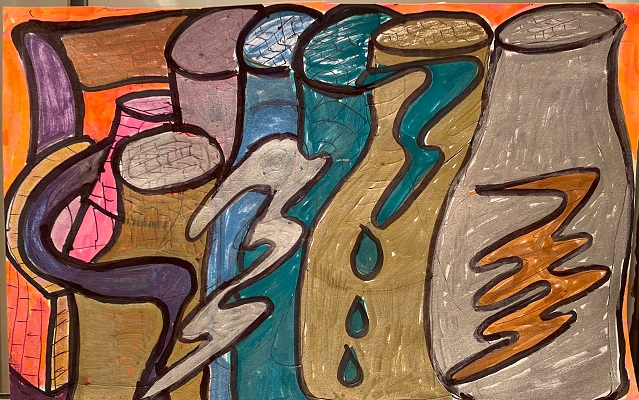
To increase better participation in health care , there are strategies that can be Introduced like informing Aboriginal people in their own language about their rights and by including tribal elders and mentors within the loop of communication about on-going benefits and resources that are available in primary health ,as well as in substance use rehabilitation and creating a sense of place for Aboriginal people with a friendly feel can be achieved by displaying Aboriginal artworks and by giving information about local community connected care services rather than private organizations. Local people dealing with local matters is a welcome approach in indigenous health.
Cultural Safety
Programs such culturally safe work place are geared to close the gap and build trust between government and indigenous people where different views can become one and the same thing so that an outcome can be achieved where different cultures can walk and work together as one.
The journey to cultural safety can be either stressful or restful. It depends on if we are able to accept instead of reject other beliefs and cultures. We need to tolerate our differences. Communication where we begin to understand.
Without understanding it cannot work. Communication with indigenous people is all about retaining values and regaining some common ground in a positive way that embraces what makes me who I am and what makes others who they are. In addition we can say what we mean and we mean what we say. There is a difference but if we can accept the difference, we can establish a relationship and all agree to be different.
So why do employers need to have culturally safe work places?
a) To prevent violence and stress and lessen injury in the work place
b) To build good teamwork and increase production.
c) To follow anti discrimination laws that protect the rights of Aboriginal and Torres Strait Islander people in the work place.
Recognising a culturally safe workplace can be seen in staff
who have a cultural awareness about customs, beliefs and traditions of indigenous people as well as seen in the action plans and policies made by employers who are actively engaged in educating and recognising diversity with cultures .
Understanding customs is a connection to accepting other cultural traditions. Having the right attitude and is seeing through their eyes and it allows things to fit into place with that culture
Using strategies and developing a relationship with another culture
is in seeking knowledge of another culture and by finding out if you are able to establish a friendship with that process.
Asking and not assuming is how to avoid the cycle of prejudice by not stereotyping others and, as a result it eliminates the process that discriminates or segregates others because of their culture.
Self-determination is a positive energy.
Using an Aboriginal community controlled health service is accepted by indigenous people because it has been initiated by the local community and governed by an elected body of the tribe. This process is in parallel with human rights advocates giving more control to Aboriginal people with their own affairs. Furthermore, it encourages self-determination for indigenous people who need to know that they can make their own decisions about issues such as their physical environment, housing, treatment of disease, and as well with finding access to the justice system. The outcome of self-determination promotes dignity and self-esteem within the community and contribute the process of participation in working effectively within their own environment.
Better health outcomes are the result of self-determination for local people who become actively involved in their own health issues. An excellence for the rights of Indigenous people has assisted with them overcoming barriers such as racism and low self-esteem.
The use of suitable protocols is required when dealing with individuals and communities to promote and support effective partnerships.
b)
Cross cultural training awareness has been used, and as a result, a greater appreciation of indigenous culture as well as an improved ability to access the mainstream health service.
c)
To ensure a delivery of the health care service is reflected in culturally safe and appropriate practices.
Mutual mentoring is an invaluable process that facilitates support for those who need it and over time encourages Aboriginal learners to take full control and responsibility over their own healthcare and workplace issues.
This approach recognises that many Aboriginal people live and work between cross cultural or multicultural lifestyles and that they may need to be assisted by culturally sensitive mentors. It increases happiness, self-esteem, enthusiasm and commitment, as well as assisting in breaking down the barriers between Aboriginal and their employers in the workplace.
Advocate for anti-racism
What makes me who I am can be enhanced by my ability to connect with other cultures. Our differences can give us the ability to identify things such as racism and discrimination. Having frameworks in place to deal with racism can make life less stressful. Not understanding the diverse issues within our spirituality and belief systems can make the work place more like a battleground than a happy environment. Action plans need to be put in place to address equality and conflict. This is essential with building a happy environment and it creates positive team work in the workplace. Providing solutions to problems and answers to questions can be the difference .
between how people deal with diversity. It’s learning to act and not react in a manner where we can tolerate cultural diversity.
Use strategies such as creating an awareness of racism and its effects on individuals and the broader community by launching and implementing a campaign through national media such as television and newspaper. This would result in achieving public awareness about racism and what we can do about it.
b)
Build partnerships with all levels of government and non-government organizations to support and promote good practice initiatives that prevent and reduce racism at national, state and local levels.
c)
Empower communities and individuals to take action to prevent racism and to identify and promote resources that support individuals and communities. In other countries, like Northern Ireland and America, civil rights movements working with government bodies established effect ways to speak out and identify racism and discrimination.
Cross Cultural Relationships
What makes us who we are is connected with the culture of where we come from which can be seen in the lifestyles that we live. Some of the areas our culture makes an impact are, workplace, social circles, within family life and relationships.
Taking a closer look at our culture, we can identify many diversities that exist in making us who we are. As an example within each framework there are many positive mechanisms that relate to our culture.
Culture is in how we taste and see things, as well as how we can connect with other cultures. The challenge is to find acceptance with other cultures and how to enjoy that difference in the music other people like or with the taste of other foods. Can we become passionate about the sport other cultures play? And more importantly, are we able to develop friends and relationships with people from other backgrounds? Initially, the adjustment process of adapting to other cultures can be confusing and challenging, especially when there are language barriers to overcome and lifestyle patterns and behaviours.
Two ways to make and maintain cross cultural relationships are by educational on Cultural Beliefs such as learning about another culture and applying that knowledge to our everyday life. For example, indigenous people lower their eyes and don’t hold eye contact with someone to show respect in contrast with other cultures who would think that is being rude. Another inroad would be with tolerance in respecting and accepting other people’s rights and belief systems.
Some strategies are to be sensitive and respectful when communicating in a cross cultural context are; to see how my own culture could affect my decision making and in the delivering of the healthcare service I would provide and to explore the culture and history of indigenous Australians is how I get to know them better.
The way ahead is to close the gap and achieve the same purpose. A strong framework for living and working together with all our differences. Studying and learning in the same environment with respect, tolerance and acceptance. Everyone has a place and a right to live safely with other cultures and yes we can be who we are in this world with a purpose to live and work together as one regardless of colour or religious belief.
The End
By Paul McCann
|







The idea that we are all equal has been a hoped-for for a very long time. However, many obstacles still stand in the way of achieving it. Many governments operate on majority rule and the majority is always able to suppress the minorities in its presence. You were right by stating that it requires communication in the language of the people oppressed rather than the language of the oppressor majority to start to heal the wounds of past transgression.
Ron