7 WAYS TO GET YOUR CHILD OR STUDENT TO READ MORE
by Paul Lonardo
1 - LEAD BY EXAMPLE
If your children see you reading, they will be more inclined to read themselves, especially if they see that you are genuinely engrossed in a book and will to share your experience by talking about what you are reading and expressing to them what it is about the story or subject that fascinates you. By explaining what you like about a particular story, whether it is the mood, the setting, or an interesting plotline or character, in essence you are encouraging them to pick up a book without having to force them to read. Plenty of studies have shown that forcing students to read something that they have little interest in is likely to result in students not reading books at all. The enthusiasm that you show for a book alone could spark a child’s interest, if not in the same book you’re reading, then perhaps in a different one. But it is not a bad idea to read books yourself that are written for the age of your child. You might even be pleasantly surprised how well-written and entertaining many young adult, middle grade, and even children’s book are for any age reader.
2 – THE BROCCOLI PRINCIPLE
Similar to foods children don’t like to eat, like broccoli, or whatever vegetable it might be, the best way to get them to eat it is by giving them small portions. It makes sense. You can’t put a plateful of broccoli in front of them and expect that they are going to eat all of it. Whatever they eat will be better than nothing, so give them a small portion to start off. Even a little bit will benefit them. Take the same approach with reading. Set aside some time every day for reading. Keep in mind, it doesn’t have to be a significant amount of time. However long it might be, five minutes, ten, fifteen, it is better than nothing. It’s a starting place, and it can only grow from there. You may be surprised what even this minimal effort will accomplish over time. Maybe it’s just a chapter at night, but after a few weeks, or a month, if a book really takes root with your child’s imagination, they may want to read multiple chapters each day to find out what will happen next, and before you know it, fifteen minutes a day could quickly extend to twenty minutes, twenty-five, or more on certain days. And that is something you have to look at as a victory.
3 – CHOSE BOOKS WITH A SUBJECT MATTER THAT INTERESTS THEM
This may be obvious, but it’s really important. Everybody has an interest or two, and you know your child better than anyone. Find out what they are into. Whether it is a nature, animals or magic, plots in stories involve a wide variety of subjects and interests. It doesn’t even have to be fiction. A nonfiction book that become an enjoyable experience achieves the goal you are seeking, which in this case is getting your child to go from not reading at all to reading something on a regular basis.
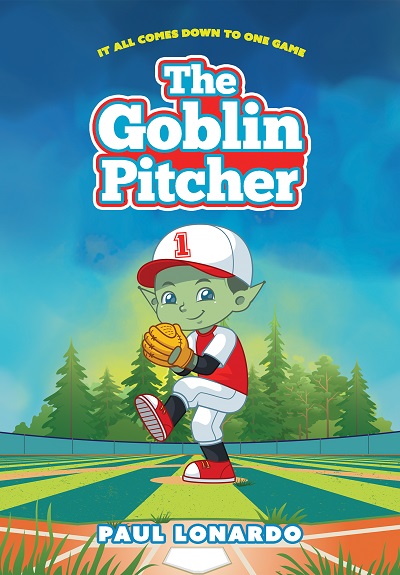
When my son was younger, it was a challenge to get him to read anything that wasn’t required. For me, as a writer, this was a real dilemma. Like any parent in this situation, I had to find ways to get him to read more. I knew the two things he liked more than anything was baseball and creepy stories, anything in the Goosebumps and Scooby-Doo vein. My new novel, THE GOBLIN PITCHER, is a kids’ book that I wrote with him in mind. Hopefully, it will be of interest to other finicky readers.
4 – VISIT LIBRARIES AND BOOKSTORES
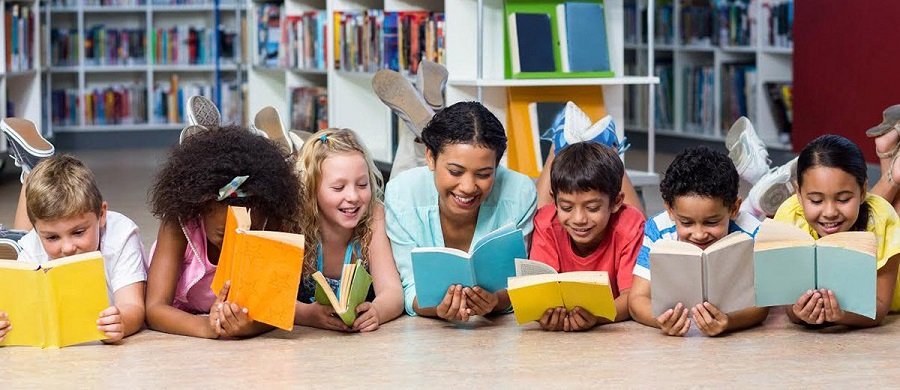
Visit as many as you can, chain and independents alike. Finding topics that your child is interested will be a cinch if you show them that there are ample books on whatever subjects that matter most to them. Seeing shelf after shelf spreading out in all directions might just be a source of inspiration, showing your child how books are revered, old and new titles alike. Watch them explore and see what sections they gravitate to. The library/bookstore experience is made easier these days with the children-friendly themes and attractions you are likely to find inside as well as outside, where there is often a playground. For the parents, coffee is usually available because it could turn into a long afternoon. But it is well worth it if your child finds a hidden treasure to take home.
5 – START SMALL
Lengthy books can be intimidating and a turn off for young people who do not read a lot. Start with chapter books or short novels. It doesn’t matter if they read one long book or a couple of shorter works. It tends to be easier to draw beginning readers into narratives of shorter stories. Everything happens faster, and there are few if any subplots to detract from the main action, which was why they chose the book to begin with.
When I began writing, I eased into it by writing short stories. This is not something all writers do, of course, but for me it was easier than jumping into writing a full-length book my first time out. Graphic novels are a great way to introduce young readers to books. They are illustrated, but there are story lines and plots to follow just as there are in traditional novels.
6 – BASED ON A NOVEL
Take your child to the movies. Yes, that’s right, the movies. Whether in the theater or at home, on Netflix, or whatever platform you prefer. Pick a movie that your child likes and has seen before, or one you know they will enjoy. The only thing you must do is make sure the movie was based on a book, the more popular the better, and preferably one that can be enjoyed at any age, such as The Wizard of Oz, Cloudy with a Chance of Meatballs, Willy Wonk and the Chocolate Factory, or Lemony Snicket’s A Series Of Unfortunate Events. There is bound to be a movie or two they have seen that they did not know had been a book first. If your child liked to film, it might just be enough to get them to seek out the original source to learn even more about the characters and storylines that did not make it into the film.
7 – READ, READ AGAIN
It’s okay to read the same book twice, or even multiple times. If a child enjoys a book, there’s nothing wrong with them reading it as many times as they want. It’s all about reading and enjoyment. In rereading the story, they are liable to discover things about their favorite characters and the story that they did not know before, and they might end up seeking out another book by the author. And today, with so many books that are part of a series, odds are there are other adventures with the same characters that they can follow.
These are my humble suggestions to get young people interesting in books. You might have some other ways, but whatever it takes to ease children onto that road to discovery and fascination, you will be initiating an experience that they will enjoy for a lifetime.







But I never read at home because I had so many other things to do. We always played games during free time that I was never alone with a twin brother. I tended only to read the wonderful classics that I was assigned during my English classes. My brother read far more than I did and was a better writer when we started out writing short stories.
I'm sure this article will help parents of young children get started on a healthy reading habit.
Ron