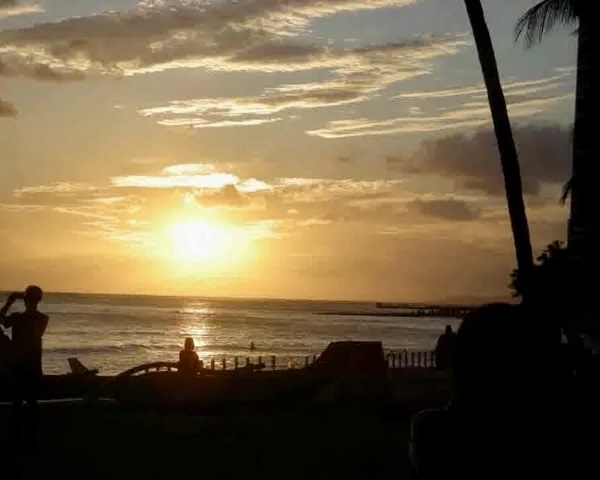
Occupation of a nation that was home of the original aboriginal race came like a giant wave sweeping all out of it way .
The arrival of the First Fleet and the Irish Convicts on board in 1787 was like the first wave of occupation to the home of the original aboriginal people who called Australia home . When the First Fleet was sent to take occupation of Australia . It consisted of transport and store ships, as well as two Royal Navy vessels—HMS Sirius, commanded by Governor Arthur Phillip, and HMS Supply, under Lieutenant H.L. Ball. In total, there were eleven ships carrying 1,487 persons, livestock, and essential supplies. The fleet completed the 15,063-mile journey in eight months.
When the first humble beginnings of the Irish in Australia began in 1791, The Queen arrived from Cork, carrying 133 male and 22 female Irish convicts. By 1820, the number of convicts sent from Ireland had grown to 6,891, increasing in later years to as many as 1,000 annually. By 1853, when convict transportation ended, around 40,000 Irish had arrived on ships from Ireland.
It is difficult to imagine the suffering of those who became cargo—caged human bodies, weary and half alive from the journey. These living cargoes were herded ashore like livestock, tears mixed with blood and sweat painting their gaunt faces. The Irish now faced living out the rest of their lives as convicts in a strange land, convicted under harsh English laws. The Crown showed no remorse or pity for its Irish victims. These exiles arrived in chains, victims of cruel English oppression.
Back then, when the cat-o’-nine-tails ruled and daily floggings marked each new dawn, a nation was being forged—its bitter crops sewn by hands made callous through cruelty. For many Irish exiles, old wounds reopened. Scars that never healed festered again. Forced to clear land and build roads in appalling conditions, the possibility of a pardon offered a dim hope: if they survived, they might someday live as free men or women in this foreign land.
Faith, Rebellion, and the Rise of the Bushrangers
It's no surprise that over the years, many Irish rebellions arose in Australia. Their freedom may have been taken, but their virtue and spirit endured. The Irish began to pray in homes, and their prayers were heard. Poverty and hunger were used to silence them, but the Irish are strongest when they are on their knees. Rebels were born, and bushrangers with a grudge took the fight to the oppressors—in the bush, on the goldfields, and wherever they could strike a blow for freedom.
The stories of the bushrangers have filled poems, songs, plays, and films. People like Ned Kelly chose freedom in the wild over a life in chains. Bushrangers were both patriots and outlaws, terrorising the countryside from 1820 to 1880. They became Australia’s first folk heroes, writing the early pages of national history. Most were Irish, either born in Ireland or descended from Irish immigrants—names like Kelly, Fitzgerald, Lalor, Murphy, Gilbert, and O’Meally testify to this heritage.
When the government organized mounted police, or troopers, to track them down, many Irish—still suffering from their treatment under British rule—formed a secret network to help the bushrangers. Safe houses provided food and shelter for those on the run. During the gold rush, bushrangers often took gold and left government men tied up and red-faced.
Jack Donohoe, for instance, arrived from Ireland as a convict in 1825. Sentenced to death for robbing bullock drays, he escaped and evaded capture for two years. Donohoe was finally killed in a gunfight in 1830. Another bushranger, Martin Cash, arrived in 1828. After being imprisoned in Port Arthur, he escaped with two others—Kavanagh and Jones—and eventually settled down as a farmer on Norfolk Island.
The Legend of Ned Kelly
The most famous of all bushrangers was Ned Kelly. He remains a national hero. Australians still take pride and feel a deep sense of identity when his name is mentioned. Born in 1854 in Kilmore, Victoria—home to a large Irish community—Ned’s father, "Red" Kelly, was from Tipperary. A hard man, Red often turned to petty crime to feed his family. When the Kellys moved to Greta, they formed close ties with other Irish families like the Quinns and the Lloyds—families often in conflict with the law.
Ned, like his father, became a rebel. His final breaking point came when police arrested his mother and sent her to jail. Devoted to her, Ned sought revenge. He shot and killed Sergeant Kennedy and two other policemen at Stringybark Creek. In a fiery letter to the authorities, he described the police as "mud-crushers" and insulted them with colorful fury, calling them "big ugly-necked, wombat-headed, magpie-legged, narrow-hipped, splay-footed sons of Irish bailiffs or English landlords.”
Though remembered as a lone bushranger, Ned led a gang that robbed banks and stood their ground. His brother Dan, Steve Hart, and Joe Byrne were killed in their final stand at Glenrowan. Ned, though badly wounded, was captured and brought to trial before Judge Redmond Barry. When the judge sentenced him to death, Ned replied, “I dare say the time will come when we shall all have to go to a bigger court than this. I will meet you there.”
Twelve days after Ned was hanged, Judge Barry died suddenly. Whether coincidence or fate, the legend grew.
Ned Kelly is remembered not just as an outlaw but as a fighter for the people—an underdog who stood against oppression. He was loyal to his mates and helped those who struggled to survive. Phrases like “as game as Kelly” and “the Kellys wouldn’t run” still echo in Australian culture. The mystique around Ned Kelly lives on. Despite his crimes, many still respect him.
At the gallows, Ned Kelly's famous last words were: “Such is life.” Those three words sum up the Australian spirit—that dry, defiant outlook that says: that’s the way it goes..
The End
|








From the other, current movies, I see from Down Under, the outlaw spirit is still alive and well among the coasts and outback of your great continent country.
I'm also tuned into Alone – Australia. It's tough to survive in Tasmania even with all that wildlife.
Ron