In an innovative approach to audience-specific writing, this author used OpenAI's GPT model to create a two-juror system to review his book topics, catering to two different audiences.
When you're writing a book, you often find yourself walking a tightrope between two vastly different audiences. How can you keep everyone happy? I was asking myself the same question until I stumbled upon an exciting, innovative solution: creating a two-juror AI system with OpenAI's GPT language model.
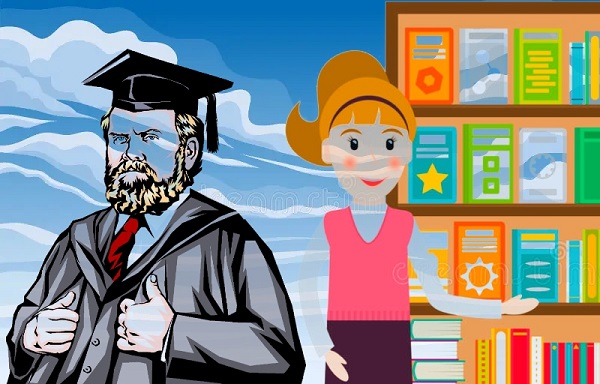
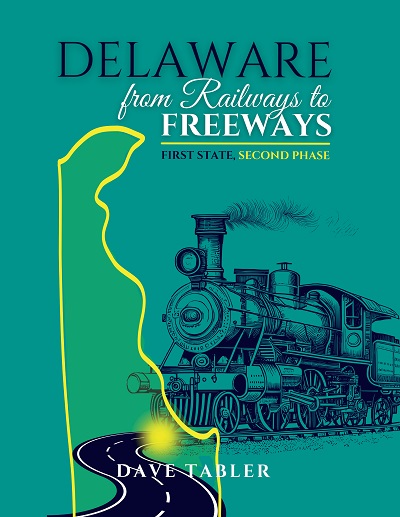
My upcoming book had to straddle two worlds. One was the breezy, sun-dappled world of a Delaware beach town, populated by readers who would pluck my book from the shelves of a cozy local bookstore. Juror #1 represented this world.
The other world, represented by Juror #2, was the realm of academia: a serious, inquisitive universe of historians and scholars, who would value deep research and historical authenticity.
Rather than real people, these jurors were figments of my imagination, simulated by GPT to understand my writing aspirations.
Presenting my topic list to this AI jury was an enlightening experience. Juror #1 looked at it from a casual reader's perspective. They wanted a book that's as refreshing as a sea breeze, yet sprinkled with valuable insights. Their suggestions guided me towards crafting a narrative that would entertain while educating.
Juror #2, the history professor, scrutinized the same topics for academic rigor. They reminded me that my book also needed a certain gravitas to garner respect from the scholarly community.
I didn't just get separate comments from each juror, but a joint analysis too, where they pointed out the strengths and weaknesses in my topics based on both audiences' expectations. It was like having a tailor-made focus group to align my writing with my readers' preferences.
This method has been a game-changer. No longer do I chew on pencil after pencil, stuck in the limbo of indecision. Now, I can consult my AI jurors, get a comprehensive understanding of what both my audiences want, and adjust my writing accordingly.
Using AI in this way doesn't take away from the essence of writing. Instead, it's like having an assistant who knows my audiences inside out and offers insights that I might not have considered. It helps me write a book that not only appeals to both my intended readerships but also builds bridges between them.
This journey with AI has been nothing short of revolutionary. As I look ahead, I can't help but wonder: what other writing breakthroughs will artificial intelligence usher in?
325 letters my father wrote to my mother during his time in World War II.
Woven together in a timeline of events of three of his brothers, 5 brothers-in-law, and one cousin, all 10 of them were in WWII at the same time.
This is a Hypertext Book Release of the F. Scott Fitzgerald classic This Side of Paradise on Black April 23, 2016 which is William Shakespeare,s 400th birthday.
The Borderline Anti-Memory PastBook asks questions a diary does not ask and raises the questions to dialectics and answers them in a way a memory work does not answer questions.



 Share
Share Save
Save