Lucid Fiction on the genre I instigated. Jennifer Bowles decided to do an issue of Medulla Review devoted to that, and Prostry. She asked me to co-edit it. We're taking submissions currently. See home page and submissions page both.
SUBMISSION GUIDELINES FOR LUCID FICTION:
Lucid Fiction in the most literal sense, is a genre of Experimental Fiction written with an ambition to expand awareness of consciousness, hidden realities, and a healthy new society not based on an addiction to conflict. While all mainstream fiction, and a good deal of more literary fiction, is constructed with the unquestioned belief which is taught ubiquitously as an unbreakable rule, of drama, problems, a plot arc made of tension, and suspense. But our lives, dreams, meditations, conversations and delightful avant-garde literature show us that many other possibilities of narrative entertainment exist instead of the linear rise and fall of something going wrong. Movies, video games, wars, football, “Divorce Court,” the need to keep up with the Jones, sugar, caffeine, tobacco, so many things stimulate the adrenals, creating an addiction to stress, dualism. Breaking the addiction through literature that nourishes them and gives them a break sometimes can provide a new model for our society. Balancing an overdominant sympathetic nervous system with attention to the parasympathetic nervous system is just a plain good idea, and helps us tune into intuition and empathy. Playfully absurd and zany works are at least as fitting as something that takes itself too seriously, as this is not a call for preachy, grim realism.
Lucid Fiction doesn't have to include every aspect mentioned here, but pushing towards something beyond just telling a story in the same old way, in order to achieve something visionary, reaching to create a transformative state in the reader is excellent. The structure, language, any aspect that shakes up the default way of thinking helps, ideally to expand the awareness. When we meditate, have visions, explore shamanically, we can inhabit a different level of the self than the mundane ordinary limited self depicted in almost all fiction. We may cease to feel boundaries, may experience all things as being consciouss, including the cells in our hair and fingernails. We may relate to our parallel lives, five layers out in our auras, chi running through our meridians and into someone else. New Science shows one study after another than shows such things are real. We can redefine what a person is, what a character is.
Lucid Fiction topics may include not only the mystical, or playful, but also subjects shunned by mass media, and by literary fiction, and left only to Sci Fi, or Fantasy, to be treated as a speculation about the future. Or Paranormal Romance, or any other genre fiction. What if we treat aliens, or death by vaccines and cell phones and chemtrails as possible reality, now? What about mind control, breatharianism, miraculous healings, synchronicities, communication with the dead? Can we allow these things into serious literature, and not be laughed at? I generally consider a work of literature to be Lucid Fiction if anywhere in it, the character, plot, or topic stretches itself in these ways.
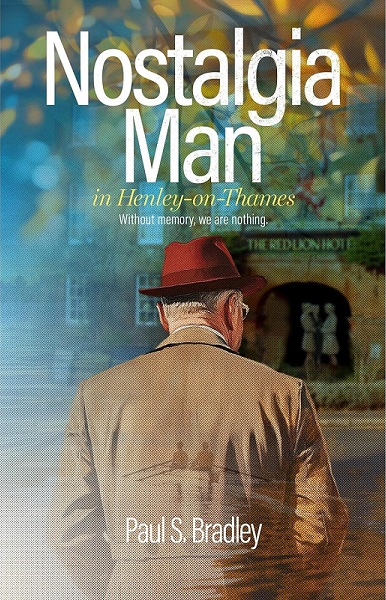
Determined to confront the hazy memories of his troubled youth, Oliver Matthews, a retired detective and confirmed bachelor, returns to the picturesque town of Henley-on-Thames for the first time in years.


 Share
Share Save
Save