Marvin has a disdain for deception and wrote a poem entitled, False Prophets.
Is it divine intervention or are they self-employed?
Destined to wear a crown of gold or be destroyed?
What’s their motive, what’s their deal?
What kind of tale do they reveal?
Perchance they think it wise
To fabricate and improvise
They might do well to contemplate
What will be their ultimate fate?
They claim to convey the will of God
Exact and true and without facade
They say their words make perfect sense
Clear, concise and without pretense
What did God tell them to tell us now?
To humble ourselves or take a bow
Should we look skyward or maybe down?
Crack a smile or flaunt a frown
Is it time to come or time to go?
Did God tell them yes or maybe no?
Do they present a fib or fictitious myth?
Or just idle thoughts they’re toying with
False prophets arise, show signs and wonders
To seduce even the elect into awkward blunders
They come well-dressed, like stylized sheep
Secret ravenous wolves our souls to keep
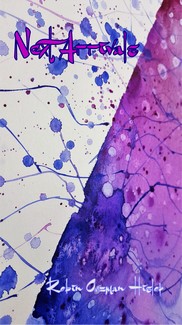
Robin Ouzman Hislop's poetry is certainly in dialogue with some of the key architects of the 'poetics of indeterminacy' – both the Modernist strands represented by the likes of Beckett and Stein, and the postmodernist strands represented, initially,
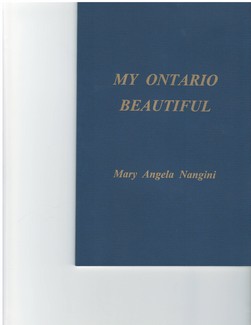
Mary Angela Nangini's poems celebrate the richness of life and love. From the city to cottage-country and the roads in between, Nangini explores the changing seasons of her varied region. (This book will soon be reprinted in hard cover.)


 Share
Share Save
Save