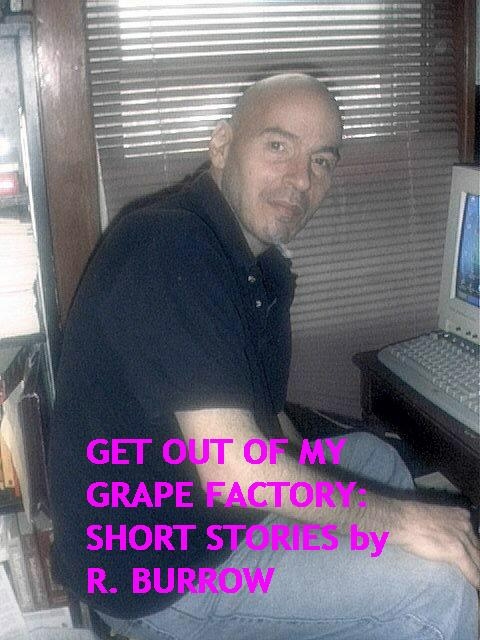
I was doing time at Erie County Medical Center, a psychiatric hospital on the East Side of Buffalo. I was into my second week. Some patients, a few staff members, and I were hanging around the heavy exit door. Suddenly I noticed a set of keys stuck in the small orange locker on the wall, which was, to me, like finding a diamond in a landfill. A plan went through my mind rapidly. I wandered quietly and inconspicuously over to the locker and pulled out the handful of keys. I saw that the people around me were still engaged in conversation. I approached the exit door and was sure I was unseen. I found the right key immediately, unlocked the solid vinyl barrier, and walked out. Before heading down the long hallway to the escalator, I had an afterthought: I inserted the key into the tarnished metal lock on the other side of the door and turned it heartily, locking everybody inside. Then I continued on my way to the main lobby. Even though I was wearing blue hospital pajamas, I carried myself with confidence and authority, as a doctor would, and made it past the security station without incident. I breezed through one of ECMC's many glass doors at the front of the building. I was impatient to take a breath of clean, fresh air, and inhaled deeply into my lungs. Freedom.
I proceeded to walk several blocks down the street and found a small deli that was still open. No one inhabited the store except for a sixtyish-old man from Eastern Europe. He looked at me. I was breathless and shaking. I didn't say a word, but he knew that I'd escaped from the nearby hospital. I asked him to call a taxi. He was eager to help. My mouth was dry, so he handed me a bottle of water, insisting I pay nothing, then gave me two or three complimentary cigars. I was grateful for his assistance. The cab arrived, and I told the driver I had no money, that we'd have to make a stop at the bank. The irritated cabdriver refused to give me a ride. Angry with myself, and discouraged, I returned back to the store. "Don't tell them you have no money!" my trusted friend yelled at me. "Don't tell them! Don't tell them!" "I know!" I tried to interrupt. "Call Fillmore Cab," I said. He calmed down substantially and located it in the yellow phone directory. The Fillmore Cab Company provided transportation to people in the ghetto, on the East Side where the psychiatric dungeon was located. The taxi man was outside honking in a matter of minutes. I looked at the store clerk, wanting to say something more than thank you, but he smiled as if amused, waiting for me to make my escape. This time, I didn't tell the driver I was lacking funds.
Once I reached home, I talked to Dan, my house sitter, told him everything that had happened. He was overjoyed that I'd escaped from the disgusting cesspool, and quickly paid the driver twenty bucks. I put my favorite boots on and put a breathe-right strip on my nose. Since I felt I had reclaimed the freedom I was entitled to, I no longer needed a sitter for the house and dog. Dan and I headed towards my car in the driveway. We were halfway across the lawn, when a police car pulled up on the street in front of us. I knew it would have been futile to resist, so I approached the car. "Aww, aww, don't go with them," Dan droned sadly, "No - awww - don't." But what choice did I have? I didn't want them to become rough with me or put me in handcuffs. They opened the rear door, and I entered the back seat. The two officers drove me back to ECMC; neither cop spoke a word the entire way.
When I was on the inside again, the staff told me that it had been a long time before they realized they were all locked in, and that I was missing. Fay wanted her keys returned, but I'd put them on my keychain at home. They were my trophy - always a symbol of power to me. I berated myself: 'If only I hadn't spent so much time fucking around, I might have lasted longer, I could be a fugitive in Canada or Florida right now.'
I knew that escaping might be considered juvenile, but I did not care. I wasn't concerned with what other people thought. I had always wanted to abscond from the nuthouse, and finally I'd accomplished a longtime dream. It had been my fantasy since I was fourteen. The glory was mine.
Incidentally, the hospital staff made me relinquish my boots, since they were so large and clunky, but I never did get them back. A nurse, aide, doctor, or other dirtbag on the unit had stolen them.
What an adventure! Sounds like a scene from a movie. Really well written and, though it is about a sad time in your life, it's very funny the way you wrote it.
Going home was not the smartest thing to do, but I understand you needed to see your dog and get some clothes.
Unless you were a court ordered patient, you could have left on your own anyway.
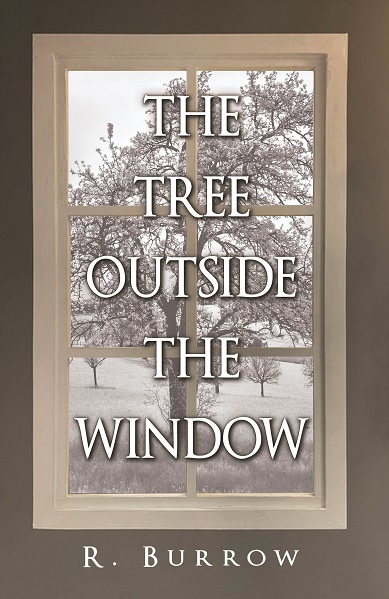
Thanks so much for your review. That's an interesting story, and seems enigmatic, though in this case you're lacking information. Your friend was secretive. While mental illness usually afflicts the lower classes (I think that poverty contributes, due to the stress), sometimes/often educated people find their way in. I have schizophrenia (under control with meds), bipolar disorder (same), an anxiety disorder, and depression. It's largely bad luck. My parents both have Ph.D.'s, but my father suffers many of the same disorders I do. It's due to genes that run in the family, as well as some other issues. I can say with certainty that it's held me back in life. I tried to conceal all of it, too, but that was kind of ridiculous in my case. My first book, "The Tree Outside The Window," is, in effect, about the experiences in my youth with untreated schizophrenia and the atrocities of the mental health system. I have to advertise, of course! But I'm giving away free e-books right now, and would love for you to write a review. Thank you again for writing, and I'm glad to hear about your own experience. It brings back memories. It's been my pleasure. Rose
Very interesting reading. Your writing is so straightforward, it makes me wonder why you would have to be in a psychiatric ward. I had a roommate once who said he was suffering from “hypertension,” but seemed to be suffering from much more. He had a PhD in chemistry and had worked on the Manhattan Project, perhaps the cause of his distress. Anyway, he disappeared from my house in January and no one could locate him. Finally, I got a call from his friend, a business faculty member who told me that the missing was in the psychiatric ward at the Mayo hospital in Rochester, Minnesota––had checked himself in. Anyway, Calloway wanted his shaving kit. That evening, I drove the 60 miles to Rochester in the dead of winter to deliver the brown leather kit containing Calloway's shaving kit. I couldn't get in the ward to see him, and when I delivered the kit to the window. The guy there open the kit and removed all the razor blades as a way of preventing suicide attempts.
Calloway returned a couple of weeks later. He never said anything about his stay in the psychiatric ward except that he committed himself there for treatment.
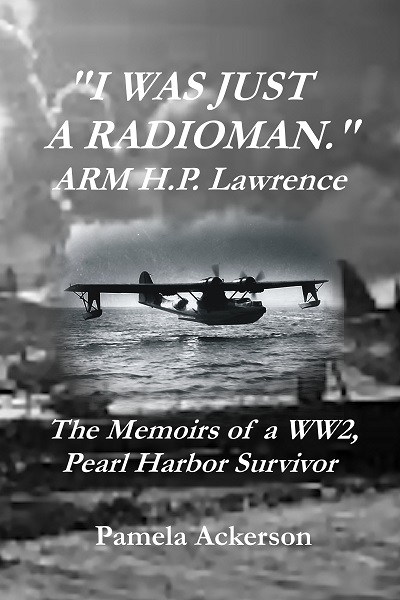
This is not a drill. The attack on Pearl. They were the ghost planes of the night, deadly, illusive, sharp-clawed Black Cats. The Memoirs of ARM H.P. Lawrence, a Pearl Harbor survivor, Black Cat, and decorated war veteran.
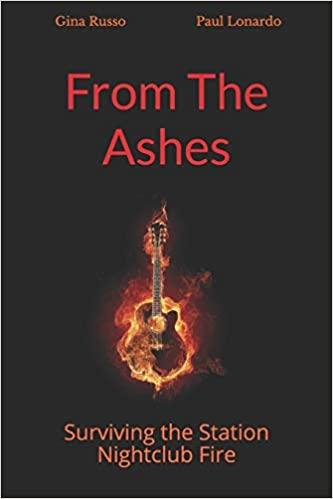
On February 20, 2003, pyrotechnics at a rock club in West Warwick, RI set off a devastating fire that roared through the crowded club, killing 100 people and injuring hundreds more. Gina Russo was one of the survivors, and she retells her harrowing e