In a two weeks, I and hopefully all Americans, especially black Americans will be voting in the 2020 Presidential election.
One of the reasons is I will be casting a ballot for my ancestors who were held in bondage for over four-hundred years.
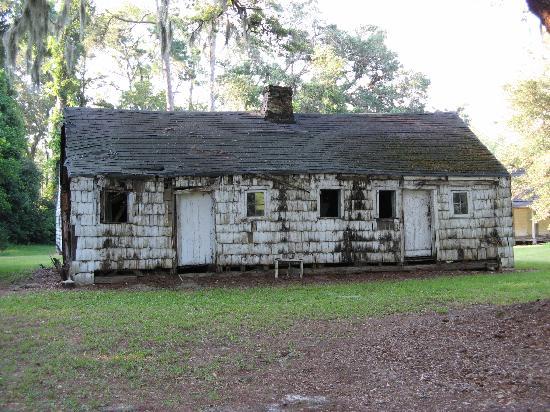
At this moment in time, when I have doubts about the Covid-19 pandemic and the voter suppression I remember the day my family visited a former rice plantation slave cabin.
The images, emotions and flashes of my visit to the Annandale Plantation, built in 1790, in Georgetown County in South Carolina invaded my mind. There was an inclination to vomit on the spot. It was sickening. The plantation is fourteen miles south of Georgetown between Highway 18 and 30.
The slave owners house is a Greek Revival Style Residence. The former rice plantation includes two outbuildings, a single surviving slave cabin and other buildings.
When my family pulled onto the tree-lined entrance way, strange and frightening emotions built inside my body. We pulled to the side of the road.
I walked across to the slave cabin: windowless, doorless, hole in the wall for a fire, bench extending from the wall for sleeping and a melancholia atmosphere. There was a dirge parade of invisible beings encircling the building. A lament for the slave dead.
I walked in a way that signaled I was trying to avoid potential dangers. When my leg broke the seal of the entranceway, I wanted to turn and run back out the door, I felt very cold and very chilly, almost frozen in the moment: HOPELESS!
I felt despondency, dejection, inadequacy, guilt for being free and a lack of focus. My brain replayed images of the middle passage with the filthy lower decks, then a ride to the auction blocks and finally to a slave plantation and its’ lifetime of force servitude.
Oppressive memories crowded my brain, jumping from past, present and future.
The blood circling through my veins was the same blood that circled through my great-great grandparents. My great grandmother was raped by a white Georgia slave master and the blue tint that circles my eyes are getting more visible and like my Uncle JT my eyes will turn blue as I get older.
I live in the after-life of slavery and with systemic racism. My memories from growing up in rural northeast Georgia always includes living with the left-over remnants of the slave culture.
As a pre-teen taking the Greyhound bus from Statham to Atlanta, I experienced sitting behind a rope with a ‘COLORED” sign separating the races. As we neared Fulton County, there were so many whites getting on the bus, the bus driver kept moving back us back and we had to stand up while white folks sat down in our seats.
When I was hungry, I waited outside at a “colored” window in order to get food, sometimes suddenly or violently flung out that same window.
When we went to the movies, we walked up the outside back steps to reach the balcony to watch movies like the “Lone Ranger”. The bathrooms were never clean and the smell of urine made you choke.
When childhood friends and I would walk from the black Bush Chapel community to Winder, we were often met with a chorus of “Niggers”. I remember one specific time, my friend Louise, and a few friends were walking into town, this white boy tried to run us over with his bicycle. She slapped his face so hard and knocked him off his bike. Her hand imprinted her palm and five fingers on his face. She dared him to tell his parents what happened. Black women have always stood in the breach for black men.
As the memories circled around my brain, while standing in the middle of the slave cabin, I heard my sister, Rochelle, calling me from the car. I woke up from this trance that was so oppressive, then I slowly stepped backwards out of the doorway. I tripped and fell backwards on my butt. I sat there for a long time.
I turned and walked back across the road to the car and my family. I pointed up the road at the “Big House” and saw white women in their Antebellum multi-colored hoop dresses surveying the remnant of this former rice plantation.
Now, I have freedom, expressed In Juneteenth, to walk off this former rice plantation. The Slaves, and now their ghosts are trapped on these horrid plantation grounds. That was what held me in a trance.
Today, I live, work in an era that is hopefully moving toward the smashing of systemic racism. I hope future African-Americans are not be singing “We Shall Overcome.”
Just: VOTE!!!!!!!!!!!!!!!!!


