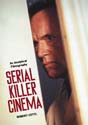
An introduction to the Serial Killer genre, with an analytical filmography.
The first complete reference work dedicated to the serial killer film as a distinct genre.
Serial Killer Cinema begins with a detailed analysis and chronological contextualization of the development of the genre and is followed by a comprehensive analytical filmography of some 500+ films from the silent era to the beginning of the C21st and the popularization of the Hannibal Lector movies. Included in the analysis is the evolution of the genre in tandem to important developments in criminological science and forensic investigation as they centered increasingly on the role of the "profiler", a character type which distinguishes the serial killer film above other types of police procedural dramas.
True-life accounts of actual serial killers, case-studies of genuine profiler investigations and an analysis of the attending "apocalypse culture" idealizing the serial killer figure as a contemporary "noble savage" have been taken into account in this profusely illustrated chronicle of the dark side of populist cinema. The extensive filmography features mainstream films, cult obscurities, international releases and underground movies as well as banned and censored films featuring the serial killer character type. At time of writing, many of the films included in the book were prohibited imports and the author risked heavy fines and/or imprisonment to complete the study, now regarded as a fundamental text on the subject and still the core reference filmography of the genre to date.
Professional Reviews
Review by John Kenneth Muir
From Aussie scribe Robert Cettl arrives another “niche” encyclopedia that’s certain to be appreciated by horror movie aficionados: Serial Killer Cinema: An Analytical Filmography with an Introduction.
Between Henry: Portrait of a Serial Killer and Silence of the Lambs, the serial killer became the most popular silver screen monster of the 1990s, eclipsing both the zombie and the vampire. Several terrific serial killer movies premiered in that decade, including Copycat, Scream and Seven, but Cettl has looked far beyond the Clinton decade and included detailed analyses of over 500 serial killer-related movies, including such classic horror material as The Texas Chain Saw Massacre and Psycho.
To use psychological terminology, Cettl boasts a wide “fund of knowledge,” and as a critic understands the core structure of the serial killer film, noting the yin and yang of the “unknowable monster and the profiler who seeks to understand him.”
Cettl traces the “serial killer” as a screen monster from Jekyll & Hyde-type split personalities through the noir era and films like Spellbound (1945), right up through the modern age. Serial Killer Cinema also boasts an outstanding index (which is especially important for a film encyclopedia...), and this author also maintains his focus; staying on track by examining such aspects of the sub-genre as the “predatory mentality” and - in an outstanding entry - the “neo noir,” expressionist visuals of Michael Mann’s classic (and undervalued...) Manhunter.
Personal journals are full of potential, waiting for you to add the color! Pages for you to fill in the blanks with tidbits and trivia about New Mexico