Reflections about my childhood days living without electricity, indoor plumbing, or other modern conveniences.
A poignant reflection of my childhood days as my brothers and I faced the rigors of life on the fringes of society in the Coast Range of Western Oregon in the 1940s and 50s. It was a different time and different place where drinking water was carried from the nearest creek, warmth came from a wood stove, the toilet was out the back door and down a narrow path, light for evening chores and reading came from kerosene lamps and lanterns, and a battery powered radio was a luxury that we couldn't always afford. With the spartan living conditions came freedoms forgotten in today's culture...children had an entire forest for a playground; if the creek wasn't deep enough for swimming, a dam solved the problem; bicycles without chain guards or fenders gave us unlimited mobility; and no one worried where we aimed our slingshots and BB guns. Oldsters will recall those care-free days...youngsters will be aghast that we survived our risky behavior...and our grandchildren will be envious of how we lived and played.
Professional Reviews
Reads Like Tom Sawyer.
While reading Joe Moreland's wonderful biography. A Place to Lay my Head, I was constantly reminded of Mark Twain's Tom Sawyer. This is a book of childhood memories filled with delightful, mischievous, and sometimes harrowing adventures. But it is more than that. It is the story of a boy who grew up in the middle of the twentieth century without, for much of his young life, electricity, a refrigerator or TV set or even an indoor bathroom. This is a boy who lived in abandoned houses and barns and eventually in a makeshift shanty house whose core was an old second-hand bus situated at a dump site. He watched his father struggle to earn a living, got used to pulling up stakes and moving after his father had been on a job sometimes for only a day. Much milder poverty today in this country has been cited as a reason for drug abuse and violence. For Joe it stimulated wholesome resilience, resourcefulness, and flexibility, and a sense of joy at times that is palpable. Like the boys Tom Sawyer got to paint his fence, I found myself feeling envious of Joe's extended stay at the garbage dump in particular, where his father became caretaker. What I envied most and wanted most to emulate was the incredible hands-on experience he got. Because they had so little, he had to learn so much from his resourceful father: how to rebuild a car motor, how to install a modest electrical system, how to string lights and get reception from the TV set that eventually found a place in their makeshift house at the dump, how to milk cows, how to grow food, how to shoot a rifle, and, ultimately, how to build a real home of their own (which came later). Just as the constant moves had tested his resilience, the garbage dump home tested Joe's resourcefulness and playfulness. Amidst the garbage he got inspiration too - from the loads of cover less books and magazines regularly dumped at the site. The dump site home also offered a chance for stability and continuity at school - the state was required to provide bus transportation from the dump (as a stable place of residence) to the school. And Joe took up that opportunity with alacrity soon revealing a propensity for science and math which I have no doubt grew out of his curiosity about the world around him and his hands-on experiences. What makes this story so compelling to me then is how this boy turned what many would have considered a life of unrelenting poverty and misery into one of vitality, adventure, and ultimately triumph.
Living Through Tough Times.
Joe Moreland was able to write a tough story in a light hearted format. He kept the story factual but very entertaining. A wonderful story of a unique family living through some very tough times. It gives a new perspective on the differences of family life and teaches us that ALL families, ALL people are precious and should be honored, loved and respected for who they are; not for what they have.
Each Chapter is a Great Story.
A really great read - written for his grandkids - but truly inspiring for all. Tales of a nomadic lifestyle of a family in the 50s and 60s in the Northwest. Each chapter is a great story of overcoming hard times with humor and love. Would make a wonderful TV series and a great book for children and adults living in difficult circumstances to see that all is not lost and life can be managed with love and dignity.
Join me as we travel together on the road called "Aging." I will be sharing my personal experiences with you and offer ideas on how we can better navigate the complex byways of our older years. Grief, healing, generations, ancestors, and more.
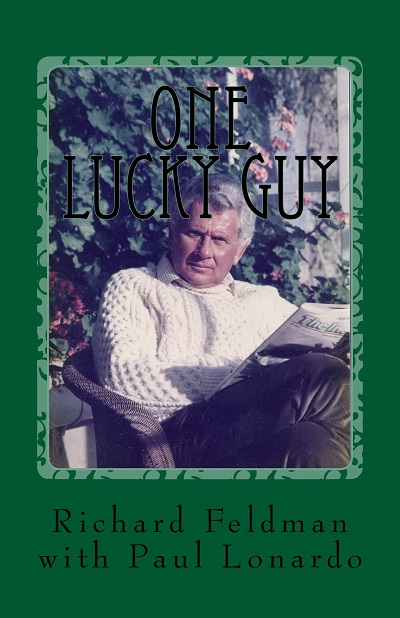
(Richard M. Feldman) Ever since I was a young boy, the only thing I wanted to be was a cowboy. I wanted to own and work on a real ranch, with cattle and horses. Especially horses.
While I never became a cowboy, considering everything I have done