Category: History Publisher: Parallax Publishing
ISBN-10: B0FCMXRX3N
Type: Non-Fiction
Pages: 350
Copyright: July 10, 2025
ISBN-13: 9798987888469
Price: $0.99 (eBook)
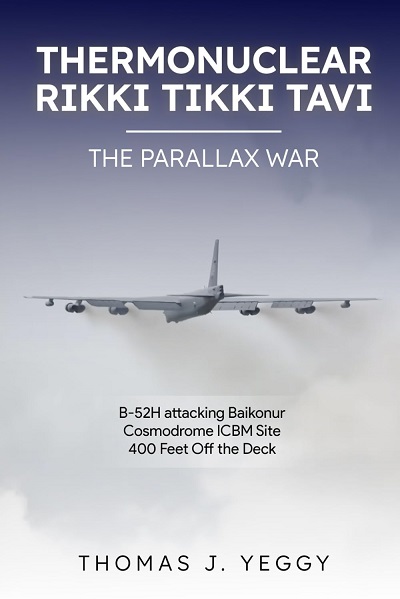
This book explores how U.S. presidents Dwight D. Eisenhower and John F. Kennedy failed to stand up to Soviet aggression during the early Cold War—despite America's overwhelming nuclear advantage.
In 1953 and 1956, anti-Soviet uprisings in East Germany and Hungary, inspired by U.S.-backed broadcasts (RIAS and Radio Free Europe), were brutally crushed while Eisenhower chose not to intervene. Instead, he prioritized stability in the Middle East and avoided confrontation—even refusing to threaten nuclear retaliation despite having overwhelming strategic superiority. Kennedy’s failures were arguably worse.
By 1961, satellite intelligence had confirmed the Soviet Union’s minimal nuclear capability. Yet Kennedy appeared weak in Vienna and made numerous concessions during the Berlin Crisis. The Cuban Missile Crisis in 1962 further revealed U.S. hesitancy. Although America had thousands of warheads and the means to deliver them, Kennedy settled diplomatically—leading Air Force General Curtis LeMay to famously declare, “We lost!”
Was there a moral obligation to act against Soviet oppression in Eastern Europe? Deontologists and Kantians might argue intervention was unethical if it meant civilian deaths—even if those deaths stopped widespread torture, rape, and repression. But casuists might see the U.S. in the role of the bystander, like those who ignored the cries of Kitty Genovese during her infamous 1964 murder.
The question remains: Should the U.S. have done more to protect 200 million people trapped behind the Iron Curtain?
325 letters my father wrote to my mother during his time in World War II.
Woven together in a timeline of events of three of his brothers, 5 brothers-in-law, and one cousin, all 10 of them were in WWII at the same time.
The history of four terrorist organizations in the Balkan and a general introduction to terrorism and freedom fighting. Also includes essays about religious co-existence in the Balkan and about pathological narcissism as a precursor to terrorism.