
Kindle Edition
Dave Tabler
https://www.kobo.com/us/en/ebook/delaware-from-railways-to-freeways
Category:
History
Publisher: Self
ISBN-10: 9798987000632
Type: Non-Fiction
Pages: 110
Copyright: November 1, 2023
ISBN-13: 9798987000632
Price: $9.99 (eBook)
Our tiny state continues to make an oversized impact on today’s America. Explore the mind-blowing facts that give Delaware a unique place in history.
https://www.goodreads.com/videos/199590-trailer-for-delaware-from-railways-to-freeways
Want to know more about the historical depth of the Diamond State? Curious to learn the surprising background behind cypress shingles, Conestoga wagons, and Patty Cannon? Wondering about the origins of George Washington’s famous cherry tree story? Popular blogger and long-time Delawarean Dave Tabler relishes sharing his love of the past with hundreds of thousands of online readers. And now he’s here to celebrate the many fascinating details that make this small first state a real powerhouse.
Delaware from Railways to Freeways covers eye-opening information about the region and its residents from 1800 to 1907. Laying out a captivating journey through pictures and offering up little-known anecdotes, entertainingly educational stories, and a comprehensive deep dive, Tabler gives insightful commentary on inventions, contributors to society, and transformative technology. History lovers of all ages will immensely enjoy this trove of 19th-century lore.
Excerpt
The advent of the railroad ushered in a prosperous era for the First State. Delaware boasts a strategic location along the easily navigable Delaware Bay. This unique geographical advantage facilitates efficient cargo distribution to a myriad of ports throughout the mid-Atlantic region. Thriving industries established themselves along these bustling waterways, from which they could ship goods to nearby urban centers such as Philadelphia.
The early 19th century arrival of the New Castle & Frenchtown Railroad prompted a significant shift from sea to land transport. Two decades later, the Delaware Railroad dropped like a plumb line through the center of the state, creating ‘whistle stop’ towns such as Clayton, Wyoming, and Felton. The rail network hastened the transport of farm produce and ripened fruit, enabling farmers and orchardists to access major markets before spoilage. Large scale production blossomed, fostering a sense of regional pride and satisfaction.
Sailing ships built in Delaware continued to navigate ocean waters, but locally constructed steam-powered vessels gained importance, and finally dominance. The demand for the latter spurred the growth of iron shipyards in Wilmington. The town of Bethel, meanwhile, developed the specialized schooner Chesapeake Ram.
DuPont emerged during the era’s early industrial expansion, establishing an explosive-manufacturing facility in the Brandywine Valley. The U.S. Government sought it out for gunpowder supplies in both the Mexican and Civil Wars.
The War Between the States precipitously disrupted all this progress. Delaware’s border state status in the conflict led to a bitter split, pitting brother against brother. Despite its allegiance to the Union, Delaware supplied between 3,000 to 4,000 soldiers in support of the Confederacy.
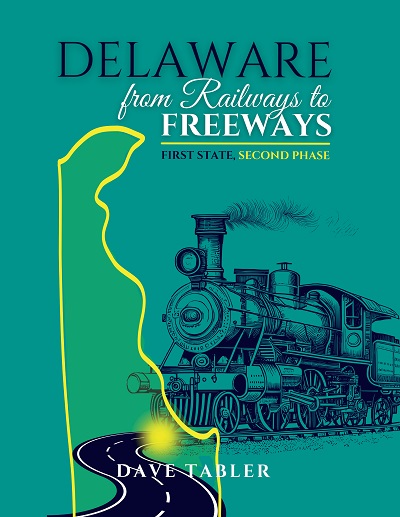
“Delaware from Railways to Freeways” encapsulates all this expansive history and more. Ultimately, the volume’s narrative arc culminates in the advent of the automobile.
The book’s structure presents a thorough and captivating pictorial history. Guided by meticulously selected photographs, vibrant illustrations, and informative captions, readers have the option to explore further through extended accounts found in the “Notes on Photographs” section. Sidebars add a touch of local flavor, highlighting unique 19th-century Delaware traditions.
Both casual readers and aficionados will value the exploration through Delaware’s vibrant history. Noteworthy personalities, along with their challenges and triumphs, are duly acknowledged. Their endeavors, amplified by the state’s inherent geographical advantages, played a significant role in sculpting Delaware’s distinct identity.
My hope, dear reader, is that the formative years of Delaware remain relevant and celebrated.
|