Category: History Publisher: Simon and Schuster
ISBN-10: 1416563466
Type: Non-Fiction
Pages: 223
Copyright: August, 2008
ISBN-13: 9781416563464
Memoir of Hurricane Katrina in New Orleans Louisiana August 29 2005
Called "one of the rawest specimens of classic Nawlins spitfire you'll ever find" by Newsweek, and featured in Spike Lee's HBO documentary When the Levees Broke, Phyllis Montana-Leblanc gives an astounding and poignant account of how she and her husband lived through one of our nations's worst disasters, and continue to put their lives back together.
New Orleans Hurricane Katrina survivor Phyllis Montana-Leblanc reveals moment by moment the impending doom she and her family experienced during one of the greatest disasters in contemporary American history.
Excerpt
Page 20:
"August 29, 2005. Hurricane Katrina is just beginning to flick her tongue at the city I have called home my entire life:New Orleans, Louisiana. In the early morning hours I can hear the swooshing sounds and fear runs down my back. This is when I first realize trouble has offically arrived. We lose electricity and the winds begin to blow. My heart is racing and beating so hard that I can feel my chest jumping against my shirt. Ron lies on the bed dozing off as I try frantically to find a safe place for us to hide...
Want to review or comment on this book?
Need a FREE Reader Membership?
Reviews for "Not Just The Levees Broke My Story During and After Hurricane Katrina"
Just got this book at our local library: "Not Just the Levees Broke" is a story about fear. About loss. About life. About finding oneself again. A powerful read that will take the reader into the heart of the storm and its aftermath on a city and on its residents, on a nation still recovering ... thank God, this young lady didn't lose her soul. It is the vibrant heartbeat of a city slowly coming back.
(((HUGS))) and love, Karla.
On limited income: I get extra money, I'm ordering a copy of this must read book. :)
The Borderline Anti-Memory PastBook asks questions a diary does not ask and raises the questions to dialectics and answers them in a way a memory work does not answer questions.
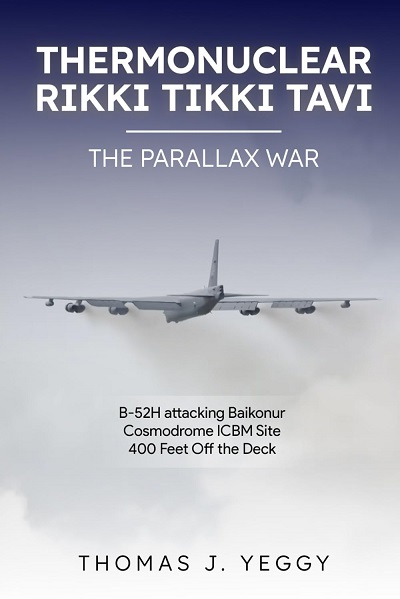
This book explores how U.S. presidents Dwight D. Eisenhower and John F. Kennedy failed to stand up to Soviet aggression during the early Cold War—despite America's overwhelming nuclear advantage.