Life is not perfect and many of us are limited one way or another physically, mentally, financially and so on. But as long as our limitations are not totally debilitating, all of us have just as much capability and chances of success as the next person. What makes the difference as to the kind of lives we lead is our mindset.
If you are a Lusaka resident no doubt you have an opportunity to pass by Manda Hill every now and then. As you do so, you will have observed that there are merchandisers there busy selling anything from newspapers to fruit, vegetables and curios. Adding to the busy scene are the street children that often take advantage of traffic as it waits for the green light to beg for money and other assistance.
But the most recent addition to this scene is some ladies in wheelchairs who have also gotten in on the act and started begging. At first I felt very compassionate towards their plight and gave what I could. The first few times I noticed something which I put down to the fact that they were just having a hard time and a rough day – they did not show that much gratitude for the assistance and certainly showed some displeasure at not being assisted. Now, I do not look for praise or thanks when giving, but nevertheless it struck me as strange.
Then, day in and day out as I went to and from work, I noticed that they were not leaving. You see, I had been under the impression that they were raising money for some special venture or business, after which they would leave and get back to their usual business. But it soon became clear that being on that street and begging was the usual business. They had made the place their office.
Having realised this, my compassion and generosity turned to hardness and irritation at seeing them there every day begging. These days I do not give anything to them, partly because I have come to realise that they have seen what rich pickings are to be had at Manda Hill and I do not want to add to that. After all, there are plenty of people with change coming from their shopping around there. Those women probably get more money out there than a lot of people who do an honest day’s work, including some that are giving the money to them in the first place.
I got to observing them more and thinking about their plight. Yes, they were in wheelchairs and could not walk, but as far as I could tell there was nothing else wrong with them. So why were they out there begging?
A friend of mine commented that they could do much better if they came to sell something like the merchandisers rather than just begging. At least then they would be providing some service in return for the money they got and not being totally dependent on alms. That made sense, I thought. They would probably be more successful than the other merchandisers because people would consider that they were in wheelchairs and might therefore buy more from them than from the others.
Having people with disabilities begging does nothing more than to perpetuate the perception that they are incapable of contributing meaningfully to the country and the economy. This perception is obviously incorrect, but sometimes I get the feeling that some of the very people with disabilities themselves are falling into the same trap of thinking they are not able to do anything that would contribute positively to other people’s lives.
There are of course a lot of challenges that persons with disabilities have to overcome and the list is long – stigmatisation, discrimination, lack of facilities for them, unequal opportunities and so on. These are huge obstacles and ones that some organisations and government agencies are already trying to address. But as individuals we also have choices to make. We can decide for ourselves to be of service and to contribute positively to other people’s lives.
However, there are even able bodied people out there that have made careers of begging. I knew a man who was very organised and dedicated to this “art.” At least he made it seem like an art. One afternoon when I met him, looking very smart, he showed me his diary and pointed to where he had put my name on a certain day and time so he could come and see me.
The agenda of his meeting? To ask for money, he said. He went further to show me other people he had entered in his diary that he would be visiting to also ask them for money. I was shocked. How could anyone who was obviously very intelligent and organised do that? Why not put that sense into good use and run a business instead?
That was the last time I gave him anything. After several unsuccessful begging “appointments” with me he got the message and gave up on asking for money.
I was glad to see him many months later coming to actually sell something to me rather than just ask for help. I thought that was a very positive development and was glad to buy something I really needed from him.He had made a change for the better.
I am using these two examples to illustrate that the bottom line here is that our thinking is often the biggest obstacle to our making progress in life. If those ladies at Manda Hill changed their thinking from one of dependency and entitlement due to their condition and instead saw themselves as people that are capable and able to offer something, there is really nothing to stop them from doing so. Yes they would have a lot of obstacles to overcome, but so do the rest of us in many different ways.
The well organised begging man realised this and made a turn for the better, utilising the same time, effort, energy and organisation he had previously put into begging into something more useful and dignified. Nothing about him changed physically in this process. The only thing that changed was his thinking.
What a difference a person’s mindset makes to their lives. Given the same conditions and circumstances as everybody else, it is the one thing that makes the difference in the results people get and the lives they live.
It has often been said “change your thinking, change your life.” Then, after you have changed your life, go out and make a difference to other people’s lives.
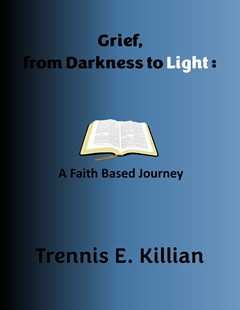
Grief, from Darkness to Light: A Faith-Based Journey is a transformative guide for anyone seeking comfort, healing, and spiritual renewal after the pain of loss. With compassion and faith as its foundation, this book explores the unique, non-linear j
ebook Version
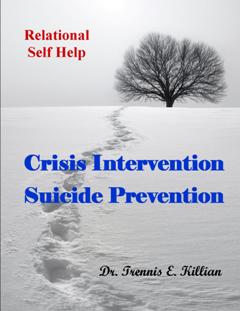
Too many people attempt or commit suicide while those around them didn't realize they were suicidal. This book will teach you what you need to know so that will never happen to you. It can also give hope to the suicidal person