The Unlearning of Gratitude…
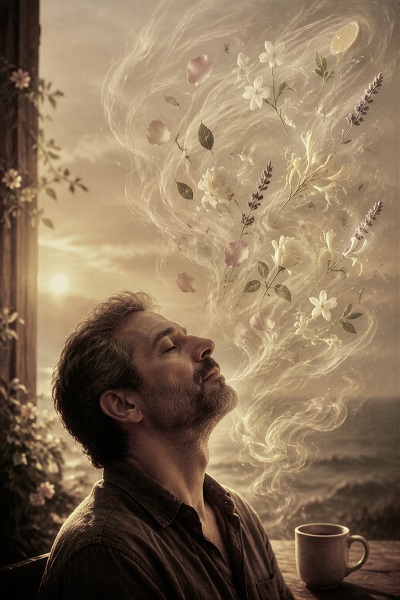
Grateful is a lantern in a storm,
a trembling flame refusing to sink
into the mouth of the wind.
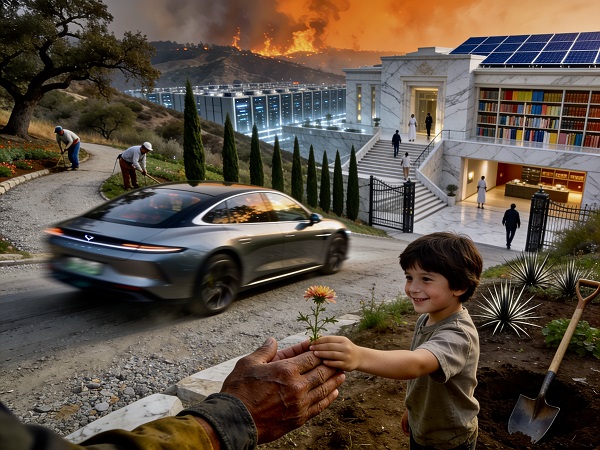
It flickers in the quiet mercies:
the unexpected arm bracing your fall,
the borrowed warmth of a stranger’s smile,
the breath you woke to,
a gift you did nothing to earn.
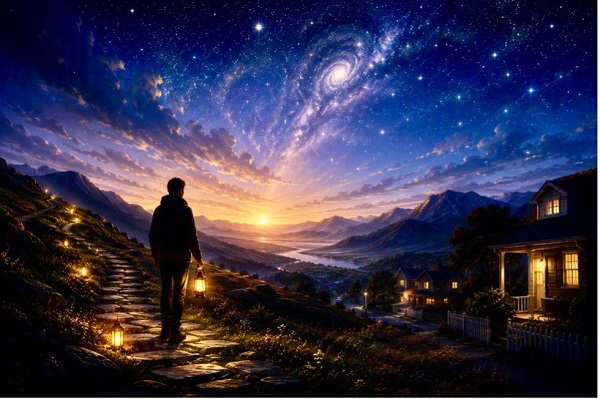
Grateful is the heart’s soft uprising,
the recognition that life survives
because others have steadied it.
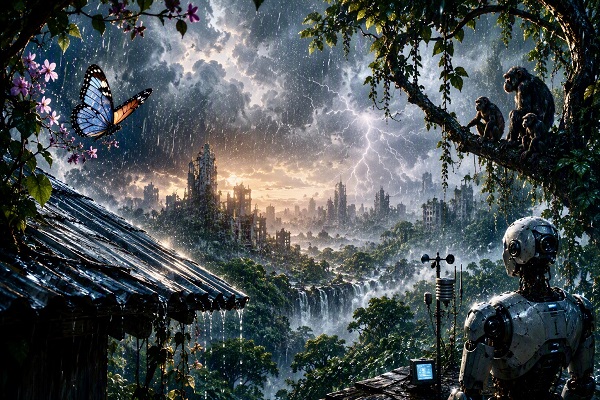
But the forgetting is feral.
The uncivil stride in first,
rending through kindness
as wolves tear at cloth left on a line;
next come the bad‑mannered,
dragging their shadows
like rusted chains across polished floors.
The uncouth follow close,
voices thick as swampwater,
sloughing off decency
as if it were bark in spring.
Then the disrespectful,
eyes like shattered bottles,
cutting without ever touching.
After them, the insolent and impertinent,
faces warped into sneers
that burn cold as starlight in winter.
Last, the ungracious,
empty cathedrals of bone and echo,
their steps stirring only the ashes
of what once felt holy.
And yet…
In the smallest rude acts,
the sharp sigh, the averted face,
the kindness met with silence,
something quivers,
some thread still tied
to the first lantern’s trembling glow.
It is here the pivot breaks open:
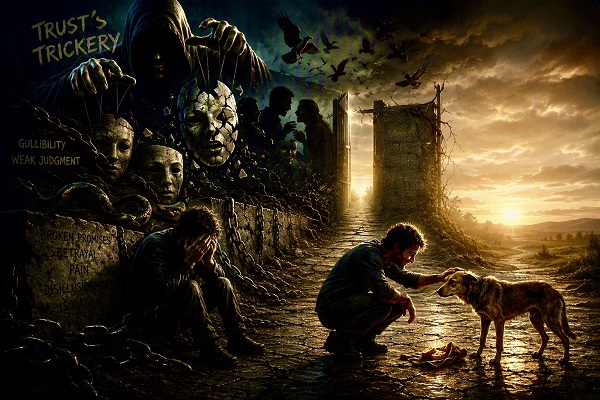
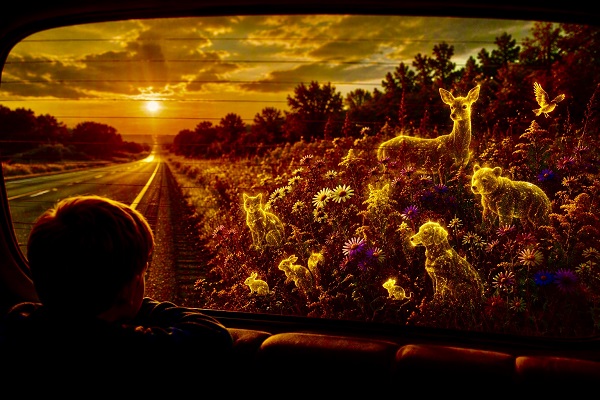
a dog looks up,
eyes bright as water catching morning,
not questioning your worth,
not measuring what you’ve earned,
but greeting you
as though you are the whole returning sun.
In that moment,
something inside you softens,
cracks,
remembers.
If such ordinary creatures
can hold gratitude as naturally as breath,
it is no wonder they can carry thankfulness
as effortlessly.
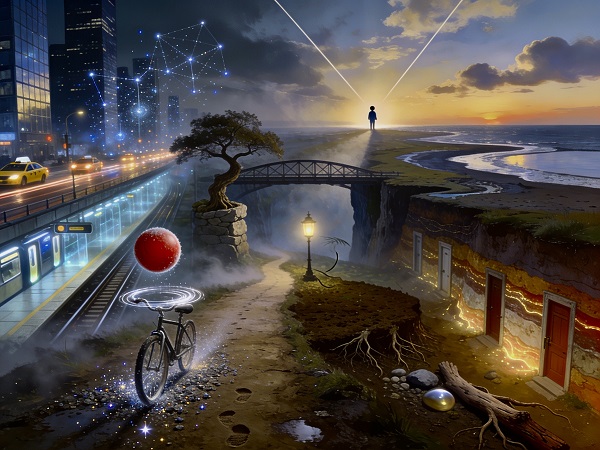
How did we with our vast vocabularies,
our towering minds
and hearts so willing,
teach ourselves to forget gratefulness
the simplest hearts of the natural world
never once had to learn?


 Share
Share Print
Print Save
Save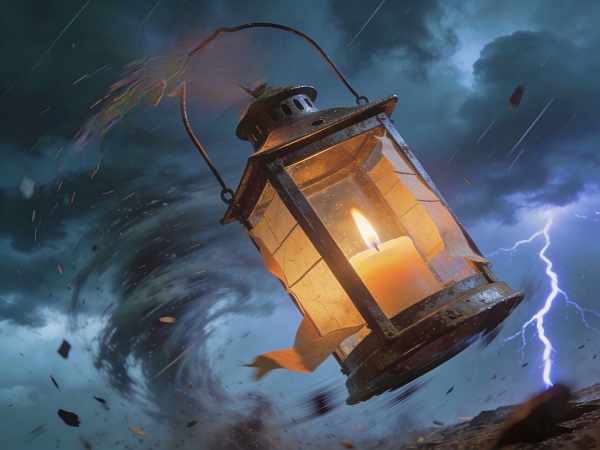







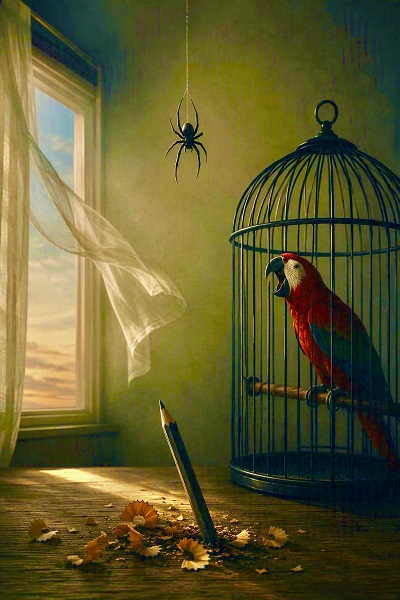




Then comes the ingratitude: the uncivil stride, the bad mannered, the uncouth that we all have to deal with. How did we teach ourselves how to forget gratefulness? An existential question at poem's end that needs answering.