Mind/Heart Conflicts
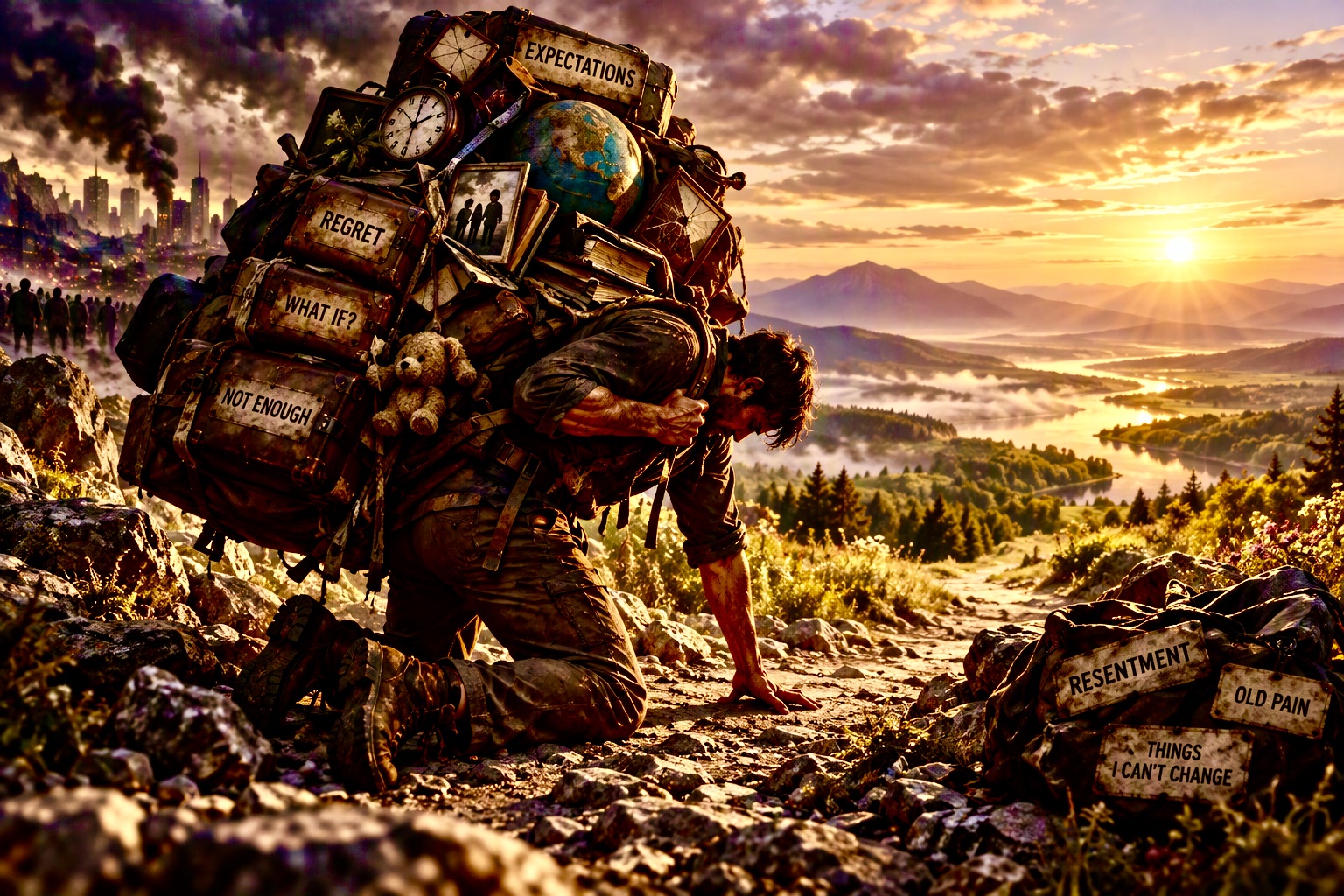
The mind arrives carrying a toolbox of explanations,
tightening loose bolts in memories that rattle at midnight,
holding logic like armor, insisting every wound can be measured.
It patches fractures like a technician repairing a shattered screen,
hoping the image beneath will stop flickering.
But the heart refuses the revised script.
A missed chance becomes an endless corridor.
An apology never spoken becomes a doorbell still ringing
inside an abandoned apartment.
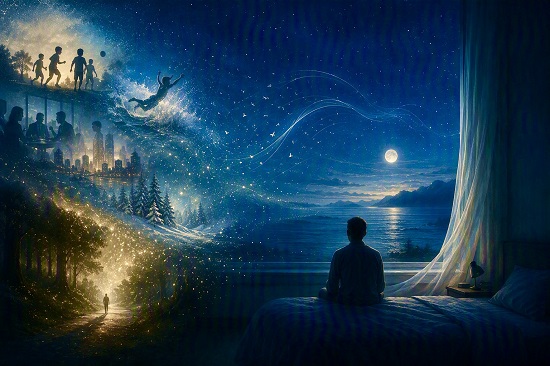
Imagination projects entire cities onto blank walls,
drafting futures from assumption and desire.
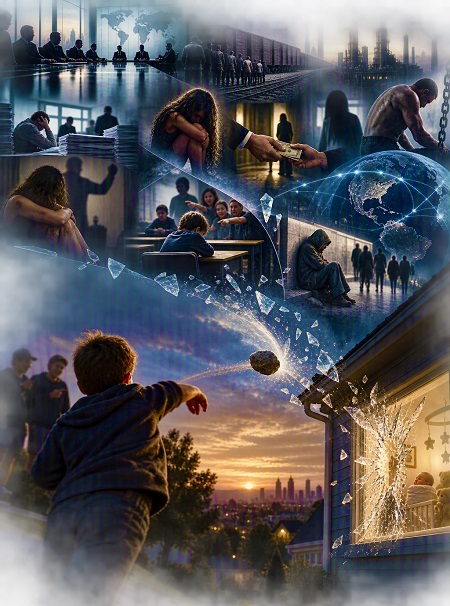
Then reality enters like fluorescent lighting in an empty warehouse,
revealing concrete, dust, exposed wiring.
The illusion doesn't collapse.
It simply becomes harder to defend.
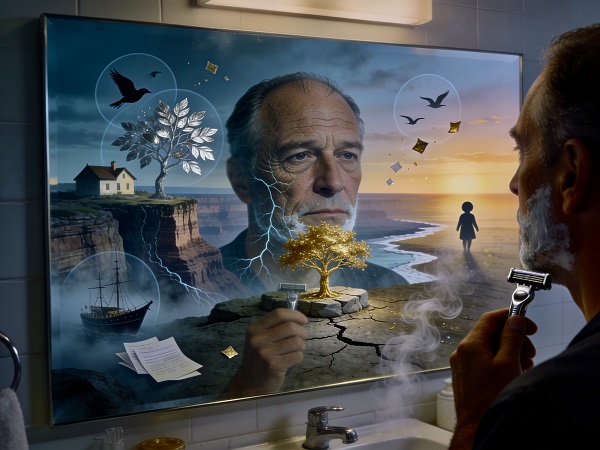
The heart gathers old photographs and calls them evidence.
The mind counters with timestamps and receipts.
Still, the heart rebuilds castles from demolition debris,
while reality feeds frame after frame
of what actually happened.
The screen stutters.
Illusions skip.
Then comes the pause.
The mind lowers its charts.
The heart releases its unfinished stories.
And a question appears:
What if neither has been wrong?
What if the closed doors were not punishments,
but guard rails?
What if the opportunities that vanished like elevators leaving without us
were never ours to enter?
What if every delay, collision, and detour
was experience quietly drawing boundaries,
protecting us from lessons we were not prepared to survive?
The question lingers.
Then…
Suddenly, the road behind no longer looks random.
Every certainty that cracked,
every loss that redirected,
every dream revised by circumstance
helped build the person standing here now.
The conflict changes shape.
Mind and heart were never enemies,
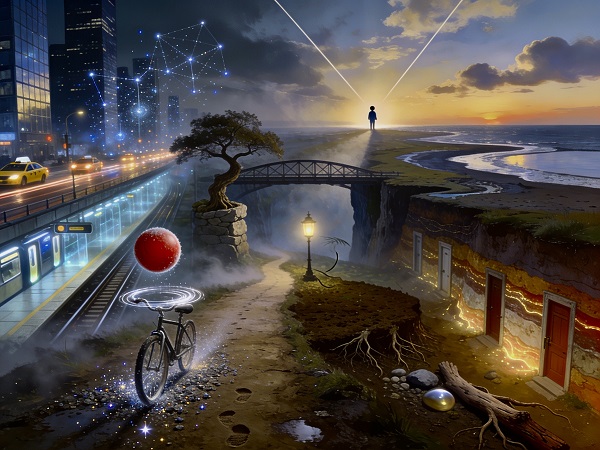
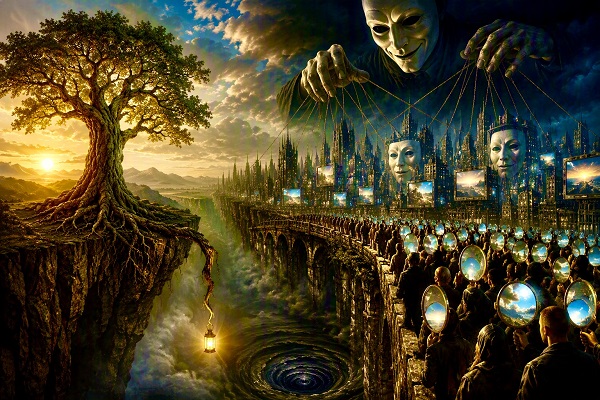
only watchmen at opposite ends of the same bridge.
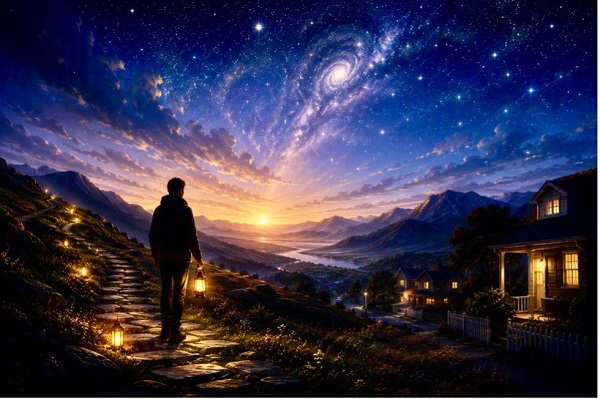
Peace arrives in that recognition.
Not behind.
Not ahead.
Not lost.
Here.
What if an authentic life begins when
we stop demanding another place on the map,
and watch judgment fade into static?
What if at last the traveler sees
what neither mind nor heart could reveal alone:
the bridge they have been guarding all this time.
Cognizance arrives…
It was never leading somewhere else.
It was leading here.
Every cracked certainty,
every redirected dream,
every door that closed with a sound that felt final,
has become a plank beneath one’s feet.
Such an epiphany…
Might show the path forward built from
the very things once mistaken for obstacles.
With that comprehension, the argument could end.
What if mind and heart step from the path onto the bridge together,
while behind them the fog of dissolves into the air?
Without warning…
For the first time,
mind and heart could walk side by side.
The traveler could now look backward
with no regret nor forward with envy,
but inward with understanding,
realizing that “allowing who one is meant to be”
has never required becoming someone else.
It has always begun with the courage to accept
being exactly who one already is.


 Share
Share Print
Print Save
Save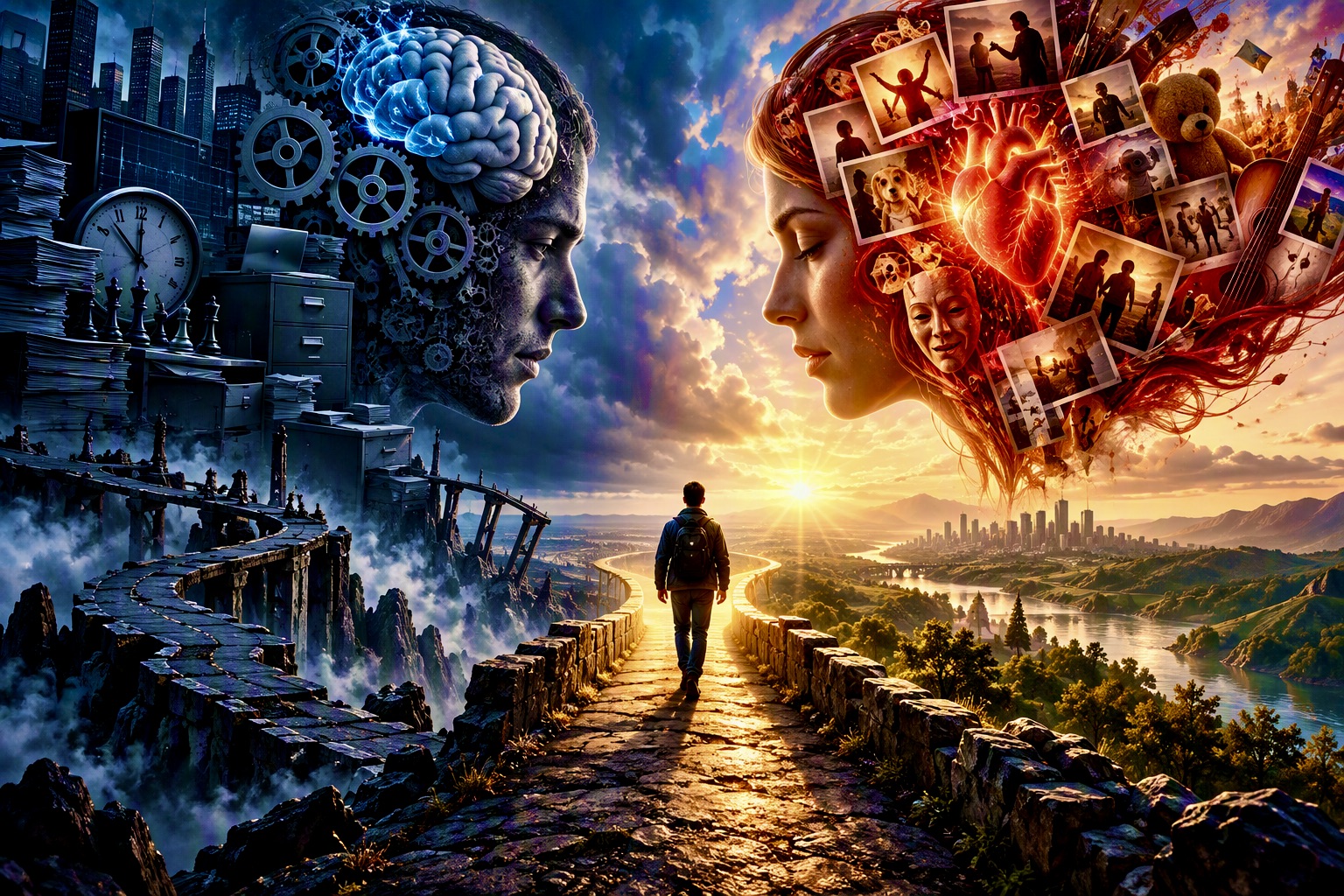
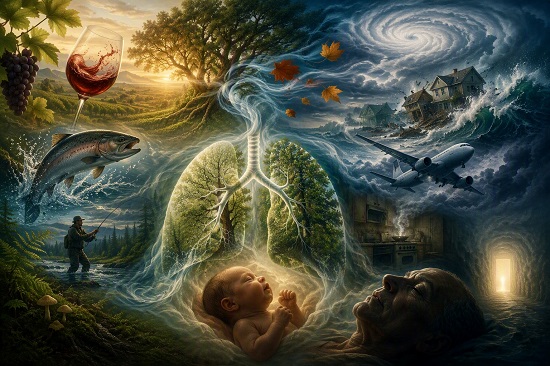
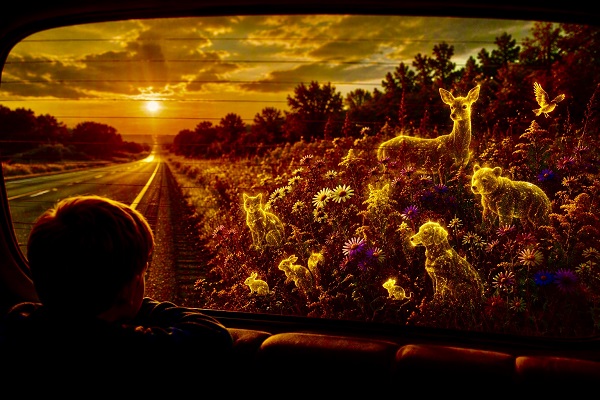
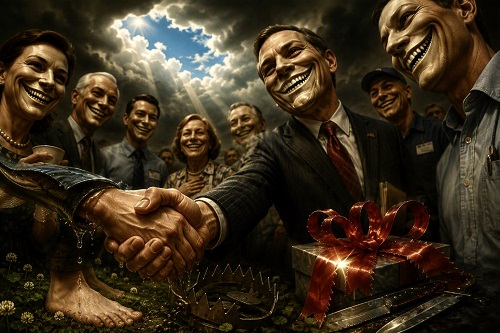
It brought to mind Iain McGilchrist’s work on the cerebral hemispheres, particularly, after the long, ,ing, overly long read of The Master and His Emissary, and his argument that we engage with the world through different, complementary modes of attention. One seeks to analyse, categorise and explain; the other remains receptive to context, relationships and the greater whole. Both are necessary, but trouble arises when either mistakes its partial perspective for the whole truth.
The poem captures this beautifully. The mind reaches for its charts, evidence and explanations, while the heart clings to memories, possibilities and unfinished stories. Each has its own version of events, yet neither alone can reveal the full meaning of a life.
The turning point comes with the question, “What if neither has been wrong?” From there, the conflict gives way to recognition, and the bridge becomes a powerful metaphor for integration: not the triumph of reason over emotion, or emotion over reason, but their eventual capacity to walk together.
I was particularly taken by the idea that the road we have travelled, with all its detours, losses and abandoned possibilities, can become the ground on which we stand today. This need not mean that every disappointment was somehow meant to happen, but that understanding can transform our relationship with what has happened.
For me, the poem’s deepest insight lies in its movement away from the endless search for another destination and towards an acceptance of the present self. It echoes Rilke’s wisdom that some questions must be lived rather than hurried towards an answer.
Perhaps the bridge was never about escaping one side for the other. Perhaps it was about discovering that neither perspective, in isolation, could ever take us across.
A thoughtful and resonant poem that invites us to reconsider not only how we think and feel, but how we might bring the two into a more generous relationship with ourselves and the world.
Your brain, left and right, writes in a rather unique way.