The radio hums a familiar tune — “Chitti Aayi Hai, Watan Se Chitti Aayi Hai.”
A song that once made us smile with longing now stirs a deeper ache. As it plays softly in the background, I watch my friend wipe away a tear after a short call with her son in Canada. This isn’t just her story. It’s the silent reality of countless Indian households, where children grow wings and fly far, leaving behind homes full of echoing laughter and walls that remember.
Once upon a time, Sundays meant family drives, impromptu picnics, and animated arguments over where to eat. Now, they mean waiting for that single WhatsApp call — short, clipped, timed between time zones and tasks. The ease of communication has never been greater, and yet, conversations are fleeting. Long chats about “nothing in particular” have been replaced by voice notes and blue ticks.
I remember when news of weddings, promotions, or even minor illnesses was first shared with close family. Now, I find out that my cousin’s daughter got engaged through Instagram. The warmth of human interaction is being outsourced to algorithms. Even happiness feels like a status update.
Ask anyone in their 50s or 60s, and you’ll hear a similar story:
“All three of my children are abroad — one in the US, one in Germany, and one in Australia.”
They say it with pride, but the glint in their eyes reveals a longing. A room that used to be messy with toys is now a guest room. The kitchen that once bustled with tiffin preps and after-school snacks now simmers in silence.
There’s also an irony at play:
Parents who once raised children with boundless love now fly across continents to babysit their grandchildren — “Mummy-sitting,” as it’s jokingly called. The same children who once clung to their mothers now ask, “Ma, can you come for three months? Daycare is too expensive here.”
But this arrangement has a quiet sadness. It’s not a vacation; it’s an unpaid, unrecognized role. And once the visa expires, the same aging parents must return to their now-too-quiet homes, counting the months until they can hold their grandchildren again.
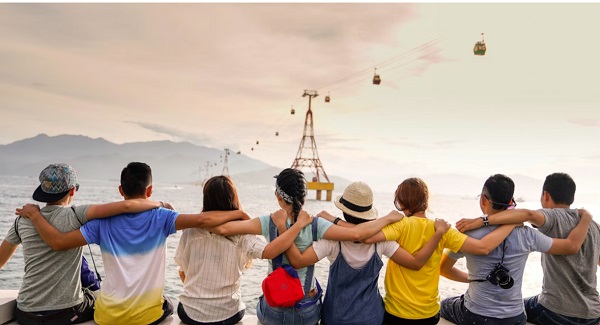
I once scoffed at a friend who said, “As we grow older, our friends are our family.” I didn’t understand then. I do now. But even friends are busy now — caught in their own webs of responsibility. That afternoon chai catch-up keeps getting postponed. Birthdays are marked by forwarded images and emojis.
And yet, children too carry this weight. Especially those born abroad — neither here nor there. They carry Indian values but speak in accents. They celebrate Diwali in October and Thanksgiving in November, unsure where they belong. For them, India is a vacation, not a home. For us, they are home, not visitors.
I know of one couple who returned to India with their teenage daughters to “reconnect with roots.” Within a year, they moved back. The heat, traffic, and culture shock were too much. They tried — but sometimes, love for one’s land isn’t enough when one’s life is built elsewhere.
This is the modern diaspora’s dilemma. A love too deep to let go, a distance too vast to bridge completely.
But in all of this, hope remains. That a child will surprise us with a visit. That next summer we’ll all sit around the dining table again. That our grandchildren will ask us to tell them stories of “how life was before the internet.”
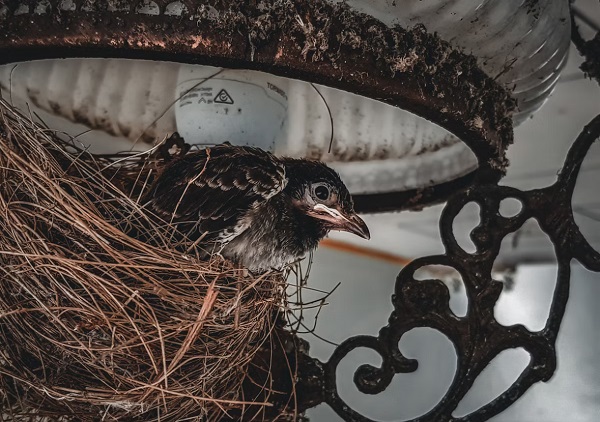
Because at the heart of it, the nest may be empty — but it is never abandoned.
It waits. It remembers.
And most of all, it loves — unconditionally, across oceans, and always.




You are not alone.
Maureen
Regis 🙏🌸