Friday, November 25, 2005 – Three Months Later
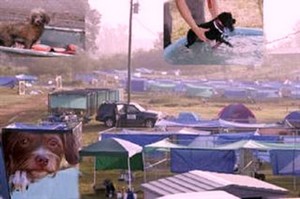
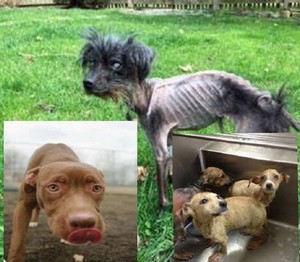
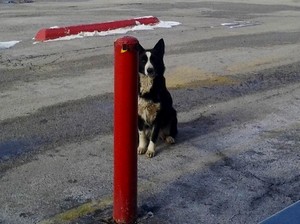
Thousands of pets still remain displaced by Hurricane Katrina and its
tragic aftermath. And many of these animals are barely existing in unpopulated and unsafe areas surrounding the Gulf Coast.
Volunteers are still urgently needed today to feed and humanely trap these pets; holding
facilities are needed throughout the coastal region to provide temporary housing for them;
and a major public campaign is being launched to encourage the fostering and,
where needed, the adoption of these truly ‘left behind’ animals.
Most national organizations suspended rescue operations over a month ago.
But three months after the hurricane, independent rescuers report that
thousands of displaced pets belonging to people who have lost their homes
are still clinging to life, and that their situation is critical.
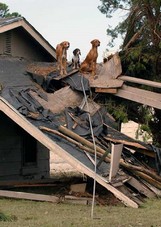
Many of these animals are in destroyed and abandoned areas where food sources such as
garbage cans are not available, and many of the structures these pets are
now using for shelter will soon be bulldozed.
"We've been working on the frontlines of Hurricane Katrina relief efforts
since late August, and have not given up," said Paul Berry, of the national Best Friends Animal Network.
"Our emergency rescue shelter outside of New Orleans still has up to 600 animals on any given day and brings in up to 40 animals a day from volunteer rescuers who continue to
work in the field."
Berry said the Best Friends assessment, which was conducted last week, has
confirmed some urgent and disturbing facts about the ongoing need for rescue
efforts. The report cites interviews with local animal control officials, veterinarians, rescue agencies, and volunteers across the region.
"People all over the country donated tens of millions of dollars to rescue
these animals," said Berry. "All it takes now is a commitment from the
animal welfare organizations to finish the job they undertook."
That commitment includes:
* Providing volunteers to continue rescuing displaced pets still alive on
the streets, encouraging volunteers to continue rescuing pets still alive on
the streets, and providing staging areas to get them to safety
* Conducting a national adoption drive for all pets not reclaimed by their families
"Working together, we can do better than simply allowing these pets who have
clung to life for so long to become the next generation of strays who will
reproduce and ultimately be euthanized," said Berry.
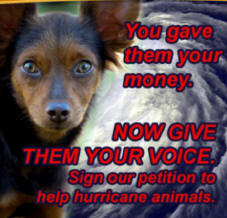
Best Friends is asking everyone who donated money to the rescue effort to
sign a petition urging national animal welfare organizations to continue the
rescue work as long as these traumatized family pets are still alive.
”Once the remaining pets are safe, we can join together to
invest in programs that will radically improve the quality of life for
animals in the Gulf Coast region."
These programs would include:
* Low-cost, high-volume spay/neuter facilities
* Neighborhood no-kill sheltering and adoption capabilities
* Affordable health care for pets of low-income families
* Model legislation to end dog fighting and related animal abuse
"This was an unprecedented tragedy for people and their pets," said Berry.
"But for local humane groups, once the rescue efforts are complete it can
now be a unique opportunity to create a new reality for companion animals.
"So many people have given their time, effort, and money to the cause. Now
they all need to add their voice to how the remaining money should be spent.
That's why we're launching a petition drive to support this vision for the
animals."
To join this petition drive, please go to the Best Friends Website.




My voice is *signed*. Thanks for continuing to bark loudly for all the animals.
Cynthia
Love Tinka