It is now estimated that nearly 2 million dogs and cats are stolen every year off American streets, from their owners' property, and by deception through "free-to-good-home” newspaper advertisements. These family pets are taken by common thieves and unlicensed dealers for re-sale.
And very sadly, many of these stolen pets are used in bio-medical research and testing. They may be burnt, irradiated, blinded, deafened, and mutilated in other ways. In addition, they may be force-fed any number of substances (cleaning agents, pesticides, cosmetics, drugs), and induced into heart-attacks and convulsions. They are also used for dissection, and transplant testing, and other types of surgical procedures. Painful, invasive testing on a particular animal may go on for years.
These stolen pets are used by publicly and privately-funded research and testing laboratories, which include universities, medical schools, and even veterinary schools.
Smaller dogs and puppies are also used as “bait” for training fighting dogs. While on the Gulf Coast rescuing animals after Katrina, I was approached many times by individuals asking me if I had any puppies for sale. These individuals wanted to buy these puppies for “Pit Bull Bait” to help train their fighting dogs.
Dogs of all sizes may also be used as prey for exotic wild animals in canned hunting preserves, and as live bait for catching wild animals.
Stronger dogs may be used in fighting rings, and both dogs and cats may be used in cult rituals. These two practices are especially prevalent in southern states.
Extremely cruel Puppy Mills may also use stolen pets as breeding stock. Highly desirable breeds may be re-sold.
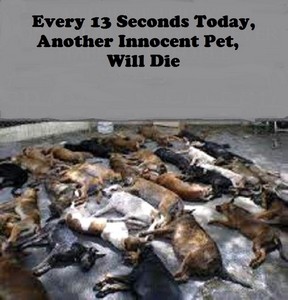
Stolen pets that die, or are too ill to be sold (the mortality rate is very high in pet concentration camps) are used as feed for surviving animals.
Dog fur is sold for novelty purposes (marketed as wolf fur).
And unbelievably, in some parts of this country, dogs and cats are still being used for human consumption.
Who is stealing America’s pets?
Unlicensed dealers and common thieves, collectively referred to as "bunchers.” They may sell directly to end users (biomedical researchers and others), or, more commonly to animal dealers, who in turn sell to end users.
How much is paid for our stolen pets? Bunchers may get $10-$50 per animal (depending on condition); dealers $50-$700. Compensation can depend on size, breed, and condition.
Where do these bunchers and dealers obtain these pets?
Bunchers steal pets off the street, from owner's yards and vehicles, and from anywhere else that animals are in public view. Bunchers have also stolen dogs from owners at gun point, and by other forcible means.
But the easiest way for these bunchers to obtain animals is through deception: they routinely answer "free-to-good-home" newspaper advertisements, promising owners that they will provide these unwanted pets with a very loving home.
Bunchers will say absolutely anything to obtain animals, e.g., they live on a farm and need a dog to watch over their livestock; they are trying to replace a pet that recently died; they want a companion for their sick child; they need a pet for their son or daughter who is grieving the death of a family member, etc. Some bunchers even use their own children as part of this ploy.
These bunchers also often go after specific breeds or sizes of dogs. This is because research laboratories place "orders" for a specific type of animal to dealers, who in turn call on these bunchers to acquire the needed animals.
What happens to our pets once they are stolen?
Documented reports from federal, state, and local authorities indicate that stolen animals are often held and transported under horrendous conditions. Animals taken by bunchers, as well as those purchased by unscrupulous dealers, may end up in animal concentration camps. They may face starvation and dehydration (the expenses of providing food and water, and cleaning up waste are ones these thieves won't be burdened with); extreme weather conditions without shelter; and any number of diseases and parasites.
Animals may also be forced to survive in severely crowded cages or enclosures; or be chained to stakes or posts, barely able to move. Even discarded appliances have been used as cages. Animals may reside in these concentration camps for several days to many months, although bunchers try to sell their stolen property as quickly as possible. The mortality rate for stolen pets is very high.
The sales transactions for our stolen pets normally take place at pet "flea markets" and "auctions," sometimes far from where the pets were initially stolen, even several states away. These auctions, which were once public events, are increasingly being held in private, away from the scrutiny of pet owners, government authorities, and the media.
In Missouri, regarded as the state with the largest amount of stolen pet trafficking, there are no less than 24 such pet auctions and flea markets being held, typically on a weekly or monthly basis.
During transport (which may last several days), animals are subjected to starvation, dehydration, severe overcrowding, temperature extremes, and lack of air circulation. Many dogs and cats die in this transport process - just "the cost of doing business" to these unscrupulous bunchers and dealers whose only concern is profit.
Why do experimenters want our pets instead of purpose-bred animals? Pets are valued because of their gentleness and trust of people. Animals from breeders are often un-socialized and difficult to handle.
What can we do to stop this growing pet theft?
The best means to stop pet theft is through awareness and prevention.
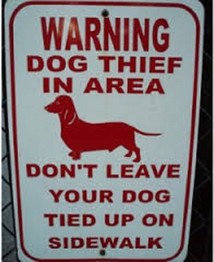
Do not leave your pet outside your home, unattended. In other words, don't let your dog or cat roam freely; don't leave your pet in an unsecured yard, or in a vehicle while you're doing errands; and don't leave your pet tied outside a store - even for a moment. If you must leave your pet outside unattended, be sure it is not in public view.
Do not use a "free-to-good-home ad" to place a pet up for adoption unless you are willing to thoroughly investigate the new owner. This means obtaining the name and address of the potential adopter and a veterinarian reference, and actually visiting the new home.
Watch for vehicles (especially trucks and vans) in your neighborhood that you don't recognize. Plates may be missing or covered with dirt. Also be aware that sometimes thieves will pose as animal control officers. Do not be afraid to ask for identification, and do not hesitate to call the police department if you suspect illegal activity.
Make sure your pet can be identified if it turns up missing. Your pet should always wear a collar with ID tags. It’s also a good idea to tattoo or microchip your pet, and use a nationally recognized pet registry service. In addition, keep clear, up-to-date 8x10 photos (front, back, sides) of your pet.
Always be aware of what's going on around you while walking your dog. Use the same precautions as if you were in an unfamiliar neighborhood.
Inform your neighbors of this growing pet theft problem; and please - safeguard your own beloved animals.







I know God blesses you with patience to continue the wonderful work you do on behalf of all animals, Ed. I do!
Micke
Love & Healing, Dove
Thanks for bringing this shame and scam to the fore..
Is there nothing sacred anymore in life !
Peter
(((HUGS))) and love, Karla.
Thanks for the bringing this issue to the public awareness. Perhaps you should post a link to this article on CL Pet section. There are always warnings about *free* ads. This will strengthen the cause.
Cynthia
Love Tinky