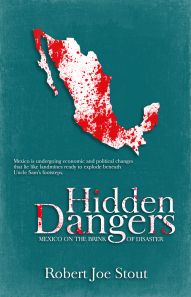
throughout Mexico, environmental impact reports gloss over possible infractions and approved mining, construction and lumbering projects that clearly—visibly—damage the environment. Nevertheless, as detailed in HIDDEN DANGERS, both the government and transnational corporations boast about supporting the environment and point to regulations and policies that they’d promoted or endorsed without referring to statistics that showed more mining concessions being granted, more reefs and archeological sites being deformed, and more forests being denuded. To top it off, drug corporations have added lumber production as one of their sources of income in order to make former forest land available for marijuana and adormidera cultivation.
Both the federal government and entrepreneurial class have found it practical to bypass or ignore environmental restrictions rather than openly oppose them. Mexican authorities signed international environmental accords but did not defend federally designated “Ecological Conservation Zones” against encroachments.
Officials from Semarnat, the federal agency responsible for environmental protection, applauded Jalisco governor Emilio González-Márquez’s public announcement that the state had acquired thirty-six kilometers of coastline that included portions of a federally protected sea tortoise sanctuary. Members of the University of Guadalajara’s Sea Turtle Conservation Program denounced the acquisition as illegal and demanded that 1986 accords establishing the sanctuary be obeyed. But anticipated profits from the proposed mega-development took precedent over environmental protection measures.
When I asked a veteran correspondent from a Mexico City daily why these encroachments were allowed to happen, he hooked his forefinger close to his thumb in the Mexican gesture for lana—money. Those running the government (i.e. entrepreneurs who opened doors to wealth for politicians who contributed to increases in entrepreneurial power, control, and financial gain) extolled hydroelectric projects that increased energy production but drove domestic prices for services higher, promoted genetically modified corn that purportedly increased per-acreage production but forced small growers to conform or lose their land and the destruction of shrimp and food fish estuaries, coves, and coastline to install tourist facilities that profited investors more than shrimping or fishing could.
Massive publicity campaigns accompanied the approval and inauguration of mega-projects in which the government was involved. Governors, senators, cabinet members, even the presidents of the republic, lauded accomplishments and benefits on prime time television. Commentators and news broadcasters described entire communities that rose in protest as “dissident minorities” or “gangster-led violators” and tagged protest leaders with criminal pasts without mentioning that their “criminality” involved participation in anti-government demonstrations.





Really Who Cares! Does Carlos Slims
Mexicanos Billionare$!
TRASK...
Ron