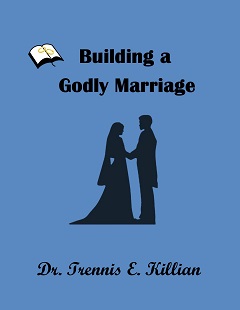
Presentation is important. When you host a workshop, remember this may be the first time the audience sees you in person. You want to catch and keep their attention. Dress comfortably, but appropriately for the workshop. Remember, you are presenting the author's side of your personality. Figure out ahead of time the personality you want to convey and dress up for the part. Dressing up doesn't meant to dress fancy it simply means to dress to fit the character you want to represent you! Dress for you role as a published author.
A Writers Workshop is used to help others learn the ins and outs of writing and publishing. It is a good way for a published author to promote his/her self and their own books and other published works.
To set up a Writers Workshop, one must first decide where they want to hold the workshop. I have found that libraries are often very receptive to this type of program. Schools are another good opportunity to share your knowledge and experience as an author.
A Writers Workshop is set up to help other writers learn more about the art of creative writing and to answer any questions they may have about writing techniques, ideas, finding agents and publishers.
For each author who has found his/her way to a publishing company willing to publish a first time author, a vast amount of experience has been gained. You will have a lot of hands on experience, the do's and don'ts of getting published. If one is willing to share that information with others who are seeking ways to succeed as an author, you will do much to promote yourself and your writing.
Once your have found a place to host your Writers Workshop, you must then do your homework and be prepared for the event. I have found that the advertising and refreshments are furnished by the organization inviting me to host a Writers Workshop. I provide paper for the audience to take notes on (with my name and book information on each piece of paper) and pencils. You can use pencils with your personal information on it to help promote yourself. I also provide information on writing and how to succeed as an author.
Begin the Workshop by introducing yourself to your audience. Bring along a copy of your published book and have it on display. Let them know who you are and why you are leading the Workshop. Give them a short history of yourself and your success as an author.
Be prepared to discuss writing! Writers want to know more about writing skills. They want to know more about building characters, ideas for stories, themes, how to write conversations. Remember, they are attending this workshop to learn something from you! Be prepared to deliver this information to them.
After you have introduced yourself to the audience, if it's a small group of writers, have them introduce themselves to you and to each other. Make it a comfortable, relaxed setting. I find that people tend to be much more relaxed and willing to talk and share ideas if they are included in the discussion.
A question and answer session is great once the introductions are over. Let the group participate in the discussion. Try to anticipate all the questions you can so that you can prepare your answers. This will help make the question and answer session roll along smoothly.
Encourage the audience to take notes as you speak. This will help them remember key issues later and it will also help them remember you! Their notes will be on paper with your name and book title along with any personal information you want to include. Be sure to include your website address on the note paper, your email address and your publishers website address.
Type up and print out a list of 'writing' ideas that work for you. Hand these out to audience to take home with them. Again, be sure this list includes your name and information at the top! You can also bring along your own book marks to hand out to those wanting one.
Take along a few of your own books and let the audience know that you have a few signed copies that can be purchased after the workshop.
Conclude the workshop by thanking your audience for attending. If there have been any questions that you could not answer, or did not have time to answer, let the audience know you will be glad to answer questions via email, as time allows.