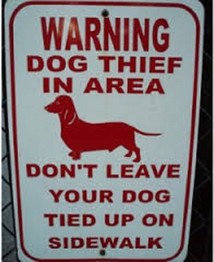
 Don't Let Your Pet Become Its Next Victim
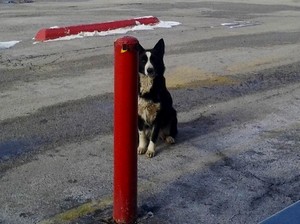
Pet Theft continues to rise all across our nation – statistics show that it went up 33 percent in 2013 from the year before. Yet, many people still leave their pets in their vehicles or tied to lampposts while they shop or run errands; they still leave their pets alone and unattended in their unlocked and unsecured backyards; they still refuse to spay and/or neuter their pets; and even worse, they still allow their pets to roam free around their neighborhoods.
If you do any of these things these days, your pet is very likely to become the next victim of pet theft, which is happening with increasing frequency as our economy still struggles to recover, and the prospect of profiting from stealing your pet becomes more lucrative for more people in need of cash.
Why Pets are Being Stolen Today
• Many victims of pet theft are purebred animals. Their pedigrees have street value that can fetch hundreds of dollars with little effort from, or expense to, a pet napper. Stolen purebred dogs, especially toys, puppies, and designer breeds are being sold for half the asking price of a dog from a legitimate breeder.
• Pets are also being stolen, sold, and shipped off to abysmal Puppy Mills all across America today to be used for breeding purposes (this is why it is essential to have your pets spayed or neutered).
• Thieves today will also often steal pets, and then wait for a sizable reward to be posted for them, hoping to collect the reward money from unwitting pet guardians.
• Stolen pets are also horrendously being used as ‘bait’ to train fighting dogs. Dog fighters are always looking for new ‘bait,’ and they are very willing to pay pet thieves to get them.
• And some pet thieves today sell stolen and lost pets to research and veterinary institutions that use dogs and cats for testing and for biomedical experimentation. Most of these very unfortunate stolen pets never make it out of these labs alive.
How To Protect Your Pets
• Keep your pets safe and secure indoors, especially when you are not at home.
• Do not allow your pets (both dogs and cats) to roam freely in your neighborhood.
• Secure all of your yard gates with padlocks, and repair any holes in your fences with chicken wire.
• Keep your dog on a leash whenever you go for a walk.
• Keep a collar and up-to-date ID tags and licenses on your pets’ collars, so they can more readily be reunited with you if they are lost. Get all of your pets micro-chipped, which is not a very costly procedure today, and which has become essential in recovering lost pets.
• Spay and/or neuter your pets. This will lower their desire to roam, and many medical research labs will not accept animals that have already been spayed or neutered.
• If you have to find a new home for your pet, do not use ‘Free to Good Home’ ads in newspapers, on Craigslist, or on the Internet. Never place your pet in a new home without checking the new guardian's references, visiting the home yourself, or having the new guardians sign a pet adoption contract. Never give pets away to strangers for free. Even if you charge a minimal adoption fee of $50, you will be more likely to deter those who are trying to scam you or to harm your pet.
• When returning a stray animal that you find on the street to his or her rightful guardian, request proof of ownership, including photos of the animal, vet records, and/or licensing papers.
• Be aware of all strangers in your neighborhood, and keep a close eye on what is happening in and around your own community. If you suspect that pet theft is taking place, inform your pet owning neighbors immediately, and report anything suspicious to the police department.
-Please Don’t Let Your Pet Become The Next Victim of Pet Theft-
|










excellent, and sadly necessary information
Ron
Rx