AuthorsDen.com   Join | Login    
Where Authors and Readers come together!

SIGNED BOOKS    AUTHORS    BOOKS    SAMPLE CHAPTERS    AUDIOBOOKS    eBOOKS    STORIES    ARTICLES    POETRY    BLOGS    NEWS    VIDEOS    SUCCESS    TESTIMONIALS

Featured Authors:  Mr. Ed, iPatricia Sims, iEva Pasco, iDebashish Haar, iSam Vaknin, iDr. Patrick ODougherty, iRiley Blake, iDietmar Rothe, iChristina Neely, iMyra Darwish, i

  Home > Easter > Articles Popular: Books, Stories, Articles, Poetry      Authors: A B C D E F G H I J K L M N O P Q R S T U V W X Y Z     

Casey S Bell

 Follow Me  

· Contact Me
· Books
· Articles
· Poetry
· News
· Events
· Stories
· 46 Titles
· 37 Reviews
· Save to My Library
· Share with Friends!
·
Member Since: Mar, 2009

Casey S Bell, click here to update your pages on AuthorsDen.


What You Didn’t Know… Easter
by Casey S Bell   
Rated "G" by the Author.
     
Recent articles by
Casey S Bell

• Interview with Author Tom Johnson
• Interview with Author Mary Edmondson
• Interview with Kimberly Smith
• Interview with Darrel King
• Interview with Daniella Bernett
           >> View all

When most Christians hear the word Easter, they immediately think of Jesus dying on the cross.


 What You Didn’t Know…

Easter


When most Christians hear the word Easter, they immediately think of Jesus dying on the cross. However, Eostre (the originally spelling) has nothing to do with Jesus or Christianity. Eostre was (or maybe still is) a goddess from Germany. She was (and maybe still is) the goddess of fertility or some times referred to as the spring goddess. Historians earliest written find of this goddess is in the book, Temprum Ratione, written by the Anglo-Saxon monk, Venerable Bede, "Eosturmonath has a name which is now translated "Paschal month", and which was once called after a goddess of theirs named Eostre, in whose honor feasts were celebrated in that month." No one knows whether this information is true , completely made up, or if Bede misunderstood information given to him. In the end Germans began to create a festival around Eostre and when they migrated to America, they continued to celebrate her. When the Christians in America saw their festivals, they began to incorporate Eoster with Resurrection Day (The original holiday celebrating Jesus’ rise from death) and eventually renamed it Easter. Where do the eggs and bunnies originate? Eostre was often depicted with hares or rabbits and eggs. The rabbits were a symbol of fertility and eggs were a symbol of fertility purity. The Easter egg hunt was originally a symbol of renewal and rebirth (as is the spring time).  So, when you say Happy Easter you are actually referring to a goddess and not Jesus. As for the images on the internet linking Easter and Ishtar those are incorrect. Ishtar was (or maybe still is) a Mesopotamian goddess who ruled over fertility, war, and sexual love. Neither goddesses are related or linked in any way. And that is the 411 on Easter.


Want to review or comment on this article?


Need a FREE Reader Membership?
Reviewed by Ronald Hull
Reviewed on February 10, 2020
Thank you for the 411 on Easter. Yes, it does seem that Christians were quite capable of absconding the practices of "pagan" celebration and insinuating Christian origins. As a result, they have carefully rewritten history over time. But thanks to researchers like yourself, we are finding out the origins of many things that we didn't know before. It's good to have history revealed for what it really is.

Ron

Free Book Review Program
Select a book to read and review today!

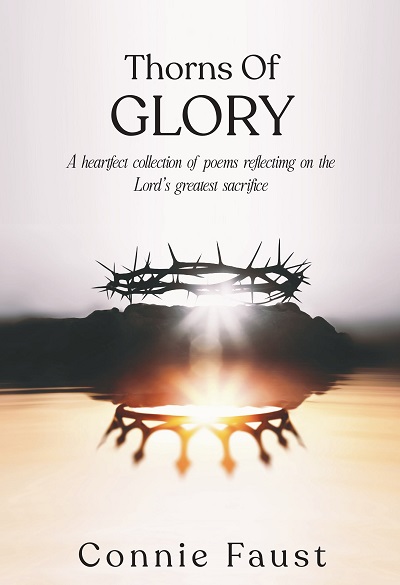
Thorns of GLORY by Connie Faust

A heartfelt collection of poems reflecting on the Lord's greatest sacrifice.  
Member BookAds

Thorns of GLORY by Connie Faust

A heartfelt collection of poems reflecting on the Lord's greatest sacrifice.  
Member BookAds

Thorns of GLORY by Connie Faust

A heartfelt collection of poems reflecting on the Lord's greatest sacrifice.  
Member BookAds