He was quite a big man, a tough man
who lived in a most demanding place
where during a man’s entire lifespan
emotion never showed on his face.
He had a wife, two daughters, one son,
none of whom had ever heard him say,
“I love you.” This simply was not done.
Men were stoic whatever came their way.
None ever saw him get teary-eyed
over hardship, loss, or even death.
For this he had too much manly pride.
Once his wife sobbed until out of breath;
all he said was “Life is hard sometime.”
He was a good man who did his best
for family. Now, well past his prime,
the man still worked hard; he would not rest.
His toddler grandson had won his heart.
“That boy will get a college degree;
from this place he’ll be able to depart.
I’ll work hard and long that day to see.”
One dawn as he was up and about,
his wife came to find him with the news
of their grandson’s death. His anguished shout:
“This I can’t endure!” Tears didn’t refuse
to come this time. All the years’ grief, all
his pent-up, unexpressed emotion
flowed freely as he started to bawl.
He sank to his knees in slow motion.
His wife knelt beside him to hug him.
“Guess you’ll think me less of a man now,
seeing me crying.” “You’ve been too grim.
This makes you more a real man somehow.”
Each person is but a grain of sand resting beside the sea. This thought sets the tone for Jill Eisnaugle’s latest poetry collection, Beside Still Waters.
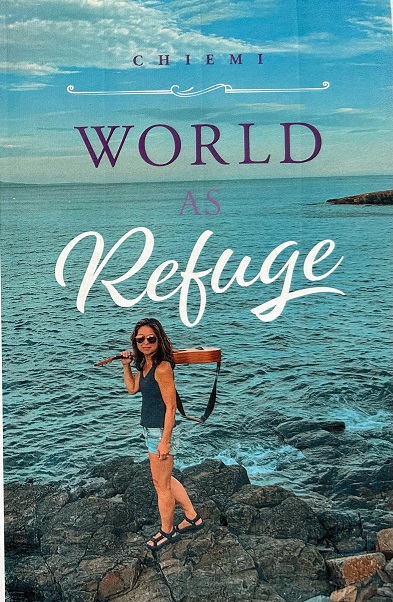
The songs and art in this book are about our collective emergence after the pandemic and trauma of the last few years - comprised of 5 collections: World as Refuge, Where We Live, In Our Hands, Rhythms of Change and What We See & Sow.






 Share
Share Print
Print Save
Save Follow