Misery Alone...
by Odin odin@aflx.com — Read all 3,869 poems by Odin odin@aflx.com
As if the mass urban downward slide wasn’t enough, along comes Flint and an urban affliction that breeds more than your everyday sickness. According to the EPA, with roughly 10 million American homes and buildings receiving water from service lines that are at least partially lead, which “lead-piped” city is next?
Wednesday, February 3, 2016
Misery Alone…
by Odin Roark
Beware…
Despair does
what despair is.
Let the words drip,
crosstown,
uptown,
downtown,
any town.
Through alleys,
valleys,
hustle-street tallies.
Tellin’ it like it is,
‘cause if need don’t read,
change’ll never breathe.
Reasons ain’t pleasin’
and dreamin’ ain’t meanin’
‘cause no one wants naked be
what miseries see…
uh uh.


 Share
Share Print
Print Save
Save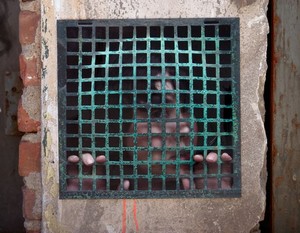




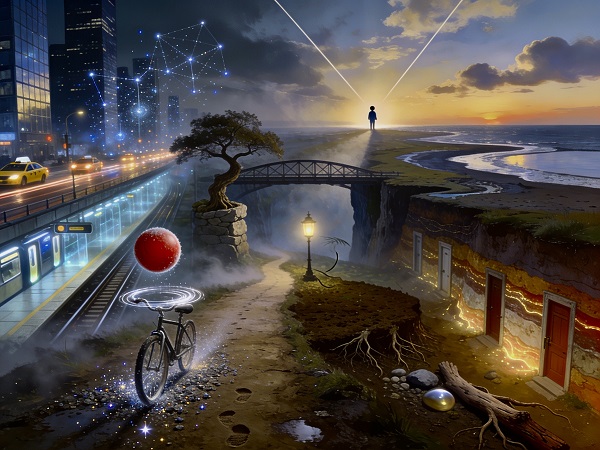
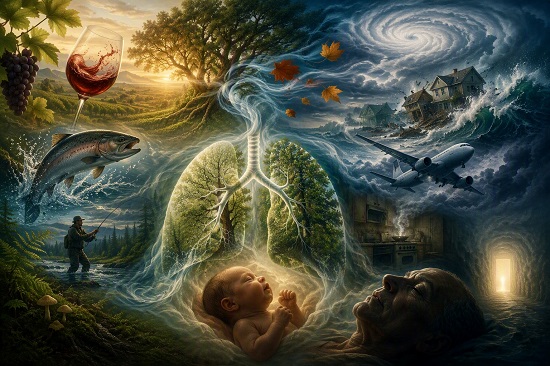
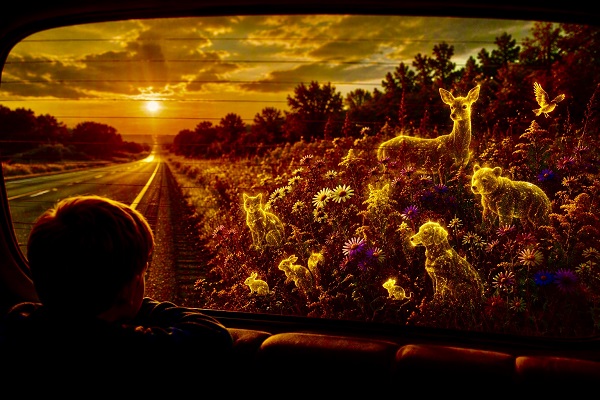
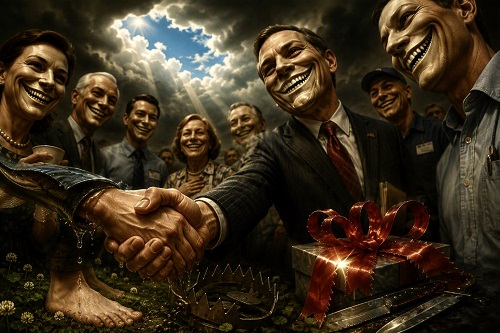
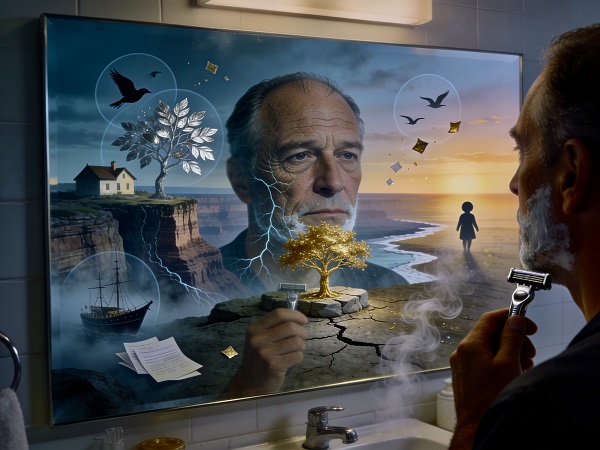


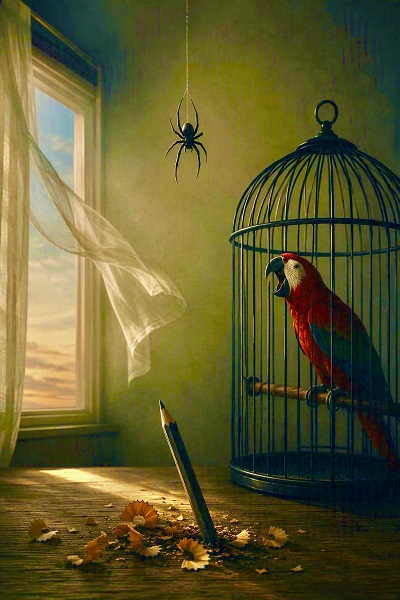
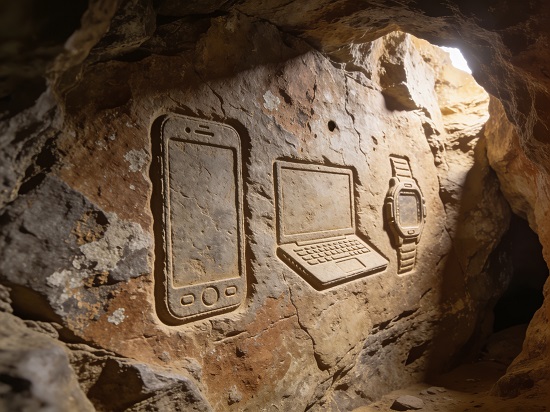


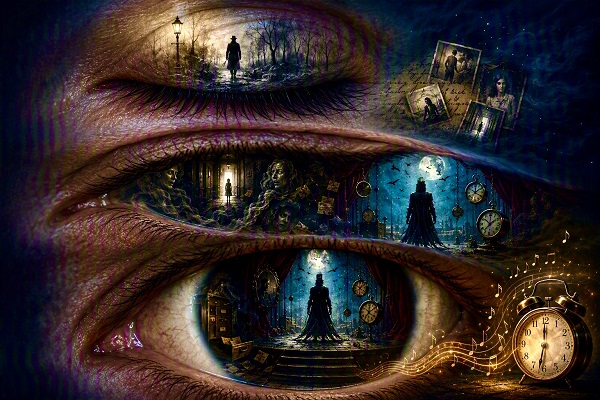
The opening line, "Beware...", serves as a foreboding warning, immediately drawing the reader into a space of caution and reflection. It sets a tone of urgency, suggesting that the ensuing exploration of despair is not to be taken lightly. The phrase "Despair does / what despair is" employs a tautological structure that emphasizes the inevitability and authenticity of despair; it is a force that acts according to its nature.
Roark’s use of enjambment throughout the poem creates a sense of movement, as thoughts and images spill over from one line to the next. Phrases like "Let the words drip" and the subsequent listing of locations—"crosstown, / uptown, / downtown, / any town"—suggest the pervasive nature of despair, seeping into every corner of urban life. This imagery evokes a sense of universality, implying that misery is a shared experience across different settings.
The poem also employs colloquial language, evident in phrases like "hustle-street tallies," which grounds the poem in a specific cultural and social context. This vernacular choice enriches the poem’s authenticity, making it relatable to a wide audience. The line "‘cause if need don’t read, / change’ll never breathe" introduces an element of social commentary, suggesting that awareness and understanding of need are prerequisites for change. This idea resonates with contemporary socio-political themes, where ignorance often perpetuates suffering.
Roark further explores the theme of vulnerability in the line "‘cause no one wants naked be / what miseries see...". This suggests a fear of exposure and the discomfort of confronting one’s own suffering. The use of the word "naked" implies a stripping away of defenses, revealing the raw and often unpalatable truths of human experience.
The poem concludes with a defiant "uh uh," which can be interpreted as a rejection of complacency or resignation. This refusal to accept despair passively invites readers to consider their own responses to suffering, encouraging an active engagement rather than passive acceptance.
In summary, "Misery Alone..." is a poignant meditation on despair, employing vivid imagery, colloquial language, and a free verse structure to convey its themes. Roark’s work resonates with the complexities of human emotion, urging readers to confront and acknowledge the realities of misery in their own lives and communities.
Always,
Deborah