Grammar of Earth
I
Orange milkweed rises with a mouth of flame,
its clustered tongues licking the wind
as if truth itself were nectar,
as if honesty bloomed in defiance of curated beds.
It speaks in bold pigments—unapologetic saffron,
a chorus of tiny lanterns flaring in scrub and ditch,
a veracious witness among quiet conspiracies of grass.
II
They call it weed,
like calling thunder excessive,
like naming the river a trespasser of its banks.
It roots with a stubborn memory,
hair-thin tendrils gripping soil like clenched teeth,
forcing aside the ornamental darlings—
petunias that faint at the faintest drought,
roses that bruise under their own thorns.
Milkweed makes space the way bone knits around a break.
III
See how it stands with the disregarded,
lichen writing slow scriptures on stone,
moss swallowing the wounds of fallen logs,
dandelions cracking the brittle language of pavement.
Each dismissed as nuisance, as intrusion,
yet each carrying a vocabulary of survival:
green insistence, quiet reclamation,
the will to exist where beauty is not invited.
They are the overlooked grammar of Earth.
IV
So the milkweed burns on,
a small sun in the margins of attention,
its beauty not cultivated but inevitable,
like laughter erupting in a place too solemn to allow it.
It presses outward, breath against breath,
gently evicting the pampered, the praised,
replacing fragile applause with something feral and enduring.
And in its blaze we see:
the unwanted is often the most alive.


 Share
Share Print
Print Save
Save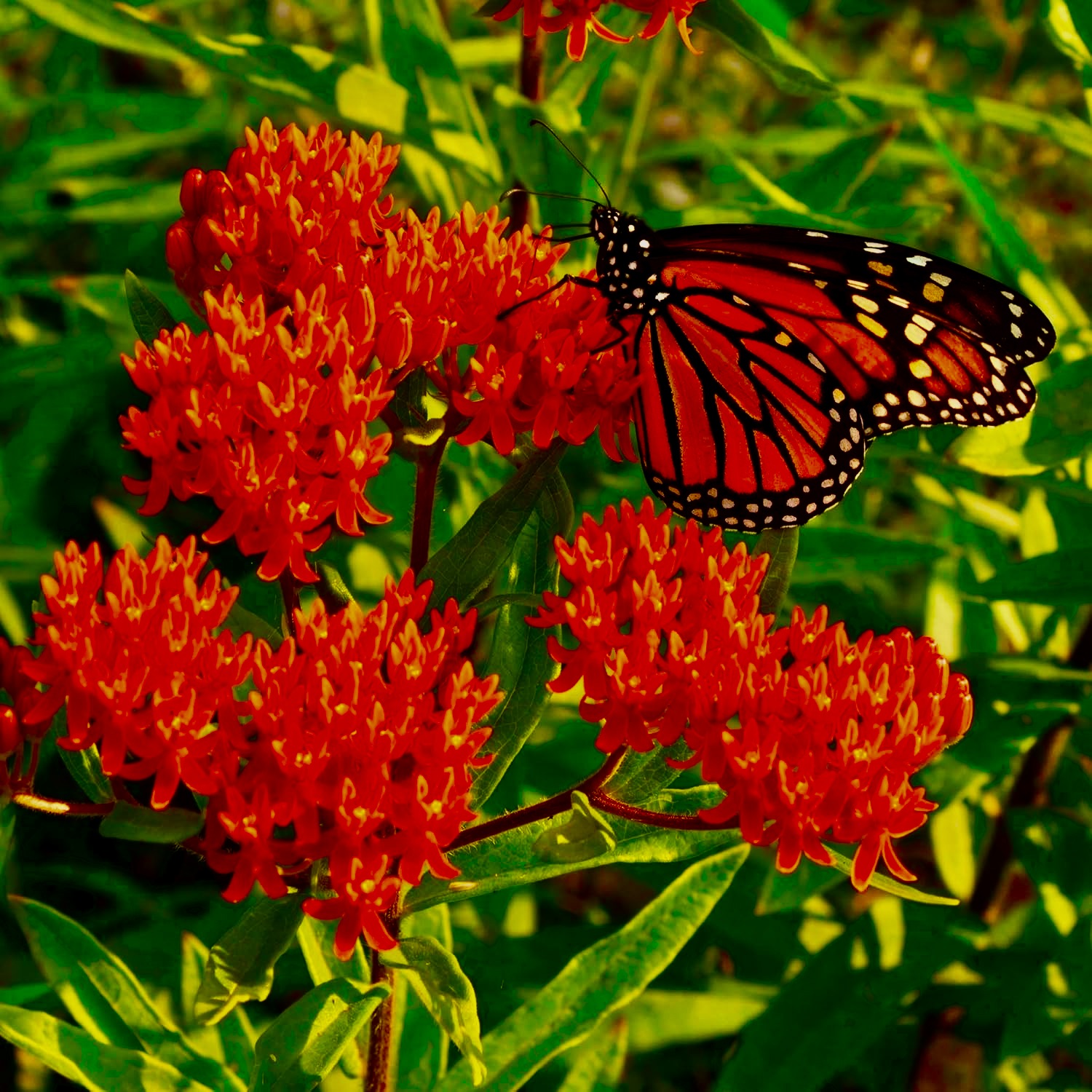















I'm only familiar with the purple milkweed and bull thistles of my grandfather's pastures. The ubiquitous dandelion in our yards with its puff of floating white seeds that one blow would send into all the neighbors yards.
But we must remember that milkweed is the primary food an egg laying sight 4 the monarch butterfly.
Your prose subtly tells me that when we take away the crops that migrants thrive on, we destroy an ecosystem that has been beneficial for centuries?
Ron