The Simpler Era
We began with sails like brittle ribs of bone
pressing the horizon open—Columbus, a rumor stitched
to salt and superstition—maps bleeding at the edges
like unfinished thoughts.
The continent lay vast
as an unopened book, its forests breathing ink,
its rivers sentences that refused to end,
and men mistook their own hunger for discovery,
planting flags like commas in a language not theirs.
Then came the fever of gold—bright as lightning caught in jars—
men swarming mountains like ants worshipping a dropped sun,
their dreams clinking in pans, thin as tin prayers.
Railroads stitched the land with iron thread,
towns sprang up like stubborn verbs, loud and temporary,
and dust coated hope until it tasted like pennies.
Even then, letters were written—long, looping rivers of ink—
carried by hand, by horse, by breath, by remembering.
The Depression hollowed out the country like a wintered orchard,
each tree a family, stripped but standing.
Breadlines curved through streets like quiet questions,
and radios whispered stories into dim kitchens,
words gathering people the way fire gathers cold hands.
Then the war, metal and thunder, and afterward
the 50s, neat lawns folded like freshly pressed pages,
children chasing fireflies as if catching syllables of light.
Now…
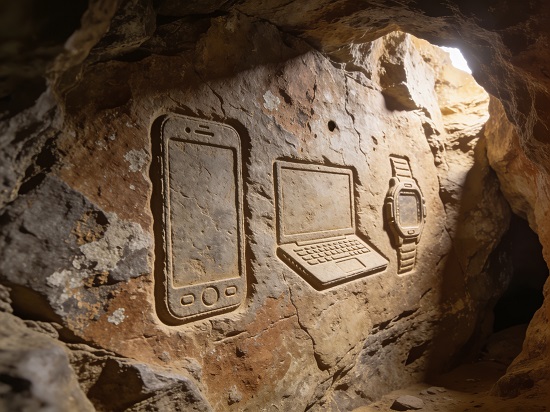
We cradle small glowing rectangles, pocket-sized oracles
that speak in fragments, in flickers, in vanishing laughter,
thumbs skimming meaning like stones skipping deeper waters.
Memes bloom and wilt before they can take root,
language thinned to abbreviations, bones without marrow—
and hate rides quick as sparks across dry grass.
But it is not too late to place a book in a child’s hands,
to read aloud until words grow back into forests,
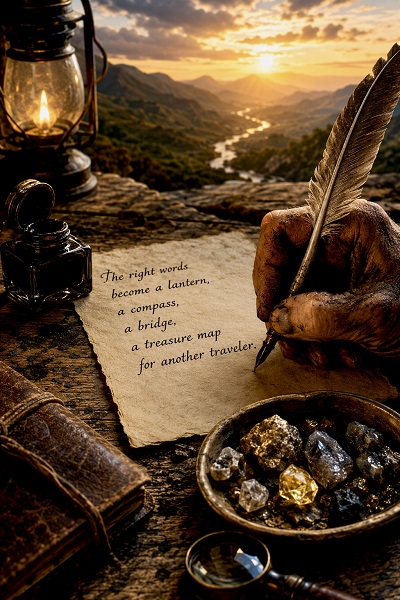
to teach them that sentences are bridges, not shortcuts,
and that thought, patient and luminous, still waits
like a lantern in the long house of the page,
those cloudless layers of sunshine in language fit to drink.


 Share
Share Print
Print Save
Save









planting flags like commas in a language not theirs
However, whenever I can, I give my books away to people both young and old. I rarely find anyone who tells me they don't read. And they seem eager to take a free book from me. It gives me encouragement that books and reading books is not dead. Just set aside for when people have what they consider private time to read.
Ron