It was an old recipe, handed down through the generations. In its day, a coveted amalgamation of this and that. However, a lot of the ingredients could no longer be found, or had been outlawed, substitutes, kindred or similar in nature, had to be used. Those who, through laziness or self-imposed incompetence, filter imagination and substance, had required it. The taste was not nearly the same as the original, it rang thin and dismal, but was brimming with commercial potential and close enough to sate the dulled palate of the tasteless mass-consumer. But true connoisseurs, those loyally chained to authenticity and innovation, would not be fooled, had they not all been murdered by the “LOL” and the “ROTFLMAO.”
Celebrated critics, self-appointed experts of what is and isn’t, were unimpressed with the original’s originality, they found flaw in its presentation, “dated and overly nostalgic, too complicated and intellectually challenging” they said and moved on to the next big thing, perhaps, dystopian, vampiric teens tasked with saving their potato farm.
Salesmen and marketers, whose hands were stained green with the business end of things, chose what was right-now, over what was right. In their eyes, the original recipe was neither. They fawned over the humdrum and commonplace with financially rooted enthusiasm, feverishly slinging nonsense to masses. Devoid and drained of the magic that once allowed them to move among the stars, to touch the face of God and leap through dimensions by way of the written word, they scoffed at the colorful drivel and labeled it as “too rich for the blood of those in their charge” and sipped at their half-caff, mocha lattes.
Sweat drenched chefs, the imaginers and creators of worlds unseen, scratched their heads in wonderment and dismay. They questioned their place and purpose, they tested their seasonings, sauces and batters against their tongues. Had an ingredient gone over, was a step overlooked? Had a pinch been replaced by a dash? They had tried to follow the “new and improved” guidelines and regulations, the revised formula. Why was their masterpiece returned to the kitchen, untouched and without explanation, without so much as a nibble missing?
In the dining room, coin burdened middle men and stationed ladies of critique passed judgement. They sniffed the rim of their glass and sloshed air in their mouths, they whispered amongst themselves in self-aggrandizing tones, “Too fruity, too earthy, too woody, too much blood, sweat and tears.”
The chefs pricked their hearts and started again from scratch.
Want to review or comment on this short story?
Need a FREE Reader Membership?
Reviewed by David Mink
6/4/2016
Interesting story. I see your point and wonder if it doesn't fit someone we both know.
And, those writers who end up conforming ruin their original recipe by watering it down. Your story is a testament for writers to guard their secret recipe, even if it curries favor to few.
I wrote it about pretentious literary agents in their early twenties, who decide what is and isn't "book-worthy" based on what they learned from a few classes in college, not life. Who refuse to read manuscripts because the spacing wasn't per their submission guidelines, or the email wasn't headed properly.
It was basically a jab at those who decide what the consumer shall consume and those who consider cloned YA plots to be actual literature. (If a bait and switch were added, it could be applied to the ruler elite of the GOP and DNC.)
A great allegory of the writer's dilemma. Like anything else, it's a popularity contest where name recognition counts more than quality of work. Why some chefs are multimillionaires and others are flipping burgers in McDonald's.
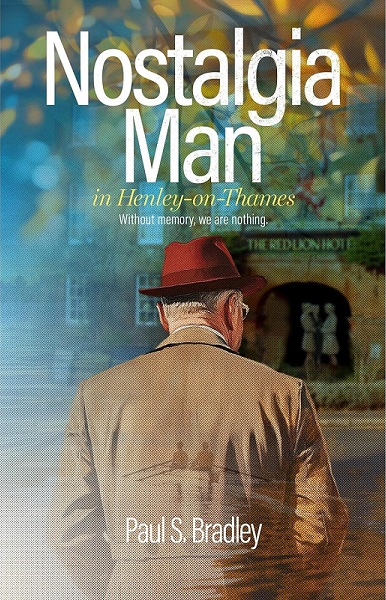
Determined to confront the hazy memories of his troubled youth, Oliver Matthews, a retired detective and confirmed bachelor, returns to the picturesque town of Henley-on-Thames for the first time in years.
Soldier's Gap is a non-traditional mystery with literary elements. The high school principal is brutally murdered, but Deputy Sheriff Dave Jenkins's search for meaning and love is a much more significant theme.
"Murder isn't usually this fun



 It was an old recipe, handed down through the generations. In its day, a coveted amalgamation of this and that. However, a lot of the ingredients could no longer be found, or had been outlawed, substitutes, kindred or similar in nature, had to be used. Those who, through laziness or self-imposed incompetence, filter imagination and substance, had required it. The taste was not nearly the same as the original, it rang thin and dismal, but was brimming with commercial potential and close enough to sate the dulled palate of the tasteless mass-consumer. But true connoisseurs, those loyally chained to authenticity and innovation, would not be fooled, had they not all been murdered by the “LOL” and the “ROTFLMAO.”