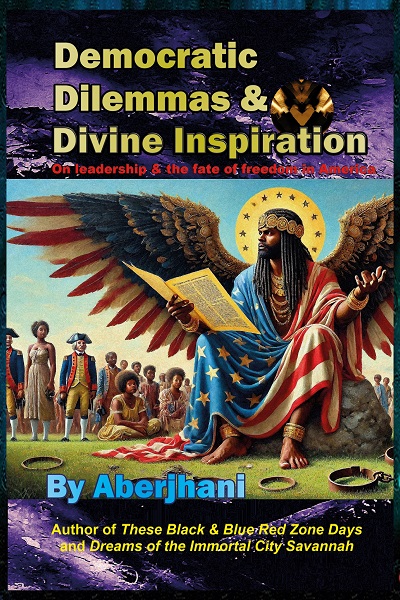
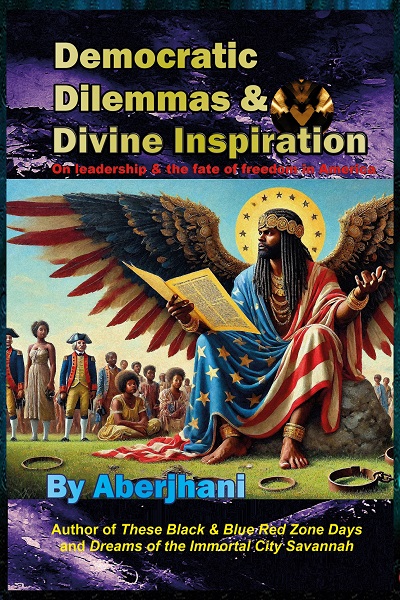
Democratic Dilemmas and Divine Inspiration examines the significance or relevance of the idea that the U.S. Constitution was, as many believe, divinely inspired. How much did that belief matter to founders of the nation and how much does it matter now?
For almost 250 years, the U.S. constitution has proven both binding and malleable enough to withstand, absorb, or transform everything history has thrown its way. The abolishment of slavery, campaigns to grant the right to vote to different citizens, equal access to quality education, unimpeded opportunities to make the most of a given individual life, and other issues have tested the Constitution’s durability. This work of nonfiction examines the likelihood of whether it can continue to pass different challenges to its iconic status as the ultimate source of Americans’ rules of law.
Concerns regarding anything so ominously extreme as democracy giving way to a very different form of government, such as an autocracy, or monarchy, or oligarchy, have rarely (if ever) commanded as much attention as during this second half of the 2020s. That is because, as often stated in various circles of contemporary public discourse, the interplay of different sociopolitical conditions and extraordinary personalities have never combined to make such a possibility into any kind of likelihood. It is one that feels more threatening when the language of the Constitution itself is seemingly subverted to reverse its original intended purposes.
(Cover art from the "Angel of Freedom and Democracy" series by Aberjhani)
Excerpt
"It is unlikely those who signed the Constitution were 100 percent oblivious to how remarkable it was that they managed to set aside regional ambitions and affirm the value of forming a sustainable union of alliances. Whether Protestants, Catholics, religious rationalists such as Unitarians, or strict non-believers, faith and trust in each other was a lot harder to come by than faith and trust in individual religions or ideology.
"Yet they managed to balance any inclinations towards either by incorporating into the Constitution ideas concerning individual rights, the separation of governmental powers, and popular sovereignty, at the time considered fresh by some and dangerous by others"
Democratic Dilemmas and Divine Inspiration examines the significance or relevance of the idea that the U.S. Constitution was, as many believe, divinely inspired. How much did that belief matter to founders of the nation and how much does it matter no
Democratic Dilemmas and Divine Inspiration examines the significance or relevance of the idea that the U.S. Constitution was, as many believe, divinely inspired. How much did that belief matter to founders of the nation and how much does it matter no