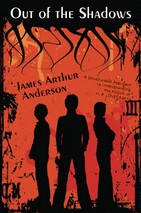
James Arthur Anderson takes a structuralist approach to dissecting the horror fiction of H. P. Lovecraft (1890-1937). This book offers both scholars and fans alike new insight into the work of the best-known American horror writer of the first half of the 20th century. As S. T. Joshi states: "Anderson's thorough familiarity with Lovecraft's texts (essays and letters, as well as stories), and with the best scholarship on Lovecraft, is evident on every page; and the fluidity with which he weaves together critical approaches into a unified commentary is enviable." Complete with chronology, bibliography, and index.
Although Howard Phillips Lovecraft (1890-1937) is generally regarded as one of the world's finest writers of horror and science fiction, his work has received little critical study by mainstream critics.Professor Anderson's study takes Lovecraft out of the shadows by shedding light upon his work by analyzing 15 of his stories using a structuralist critical theory.This analysis shows that Lovecraft's fiction, while it may appear fantastic, expresses early twentieth century naturalism in a cosmic context.This critical approach isolates Lovecraft's major themes and narrative techniques, defines horror and the weird tale as he saw it, and shows how he created a new type of folktale based upon scientific mythology.The work explores Lovecraft's vision of truth and shows how he employed fantasy as a means of understanding reality.The study concludes with an evaluation of Lovecraft's place in 20th century American literature, and demonstrates that much of what are mistakenly perceived as flaws in his work are really essential components of his overall theme and meaning.
As S.T. Joshi states in his preface to this work, "Anderson's thorough familiarity with Lovecraft's texts (essays and letters as well as stories) and with the best scholarship on Lovecraft is evident on every page, and the fluidity with which he weaves together critical approaches into a unified commentary is enviable."Out of the Shadows offers both scholars and fans new insight into the work of the premiere writer of horror fiction in the first half of the 20th century. Solidly researched using established critical theory, this study finally affords H.P. Lovecraft the respect and academic attention that he so richly deserves.