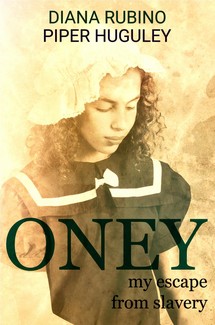
George and Martha Washington's favorite slave escapes with help from free blacks and eludes repeated capture attempts to live a long happy life.
Excerpt
The hour finally came—while they ate dinner.
Nothing heavied my heart—not remorse, not guilt, not sadness upon fleeing my master and mistress. Raw thirst for freedom overcame all that. I walked straight past the Washingtons and out that door. When I shut it, I left them—and my forced bondage— behind me.
I tore through the muddy streets in pouring rain. Gasping for breath, soaked to the skin, my heart slamming in terror, I glanced behind me, again and again. No one pursued me—yet. I dreaded and expected pounding footsteps, a clap on my shoulder. But, I asked myself, who would chase me through the driving rain? No, it is not possible, I affirmed—they didn’t even know I’d left the kitchen.
I love historical fiction. Especially historical fiction that is based on history and not some fantasized or fake history sanitized for the masses.
From the small excerpt, it is difficult to tell how the history is. Or, to learn much about your writing. The idea that is certainly a very intriguing one and probably happened numerous times during the colonial period. Oney's words are well written and seem to evoke the kind of fear such an escape in the cold rain would engender. The only thing better would be to use some vernacular from the time, if possible.
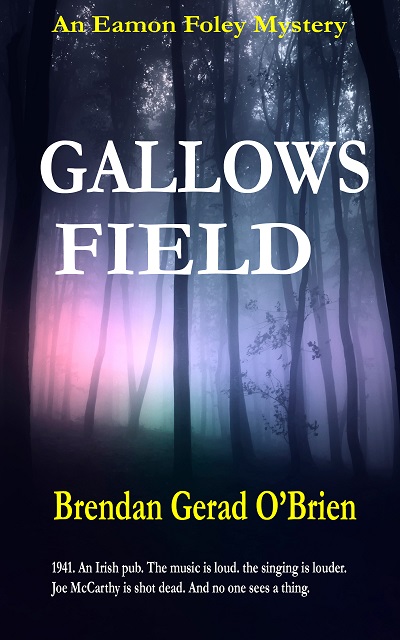
Dublin 1941. A brutal murder. Mistaken identity. And barman Eamon Foley is running for his life.
Nine months later Foley is in a crowded pub, and his brother-in-law is shot dead.
Based on the memoirs of a Pearl Harbor survivor. Letters from two pen pals take the reader on a journey into the past, a past where nightmares came true, and when hatred reigned.
Autumn 1940. Germany invades Britain. Newport is blitzed. Danny O’Shea’s house is bombed, his wife is killed. While taking his young son Adam to neutral Ireland, they witness an attack on a German convoy. The result is brutal.