|
|
| 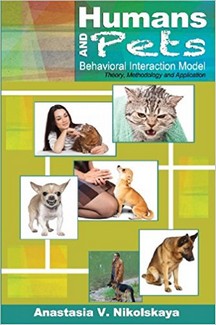 | | Humans and Pets Behavioral Interaction Model: Theory, Methodology, & Applic
This scholarly work focuses on the connection between a pet owner's psychological state and an animal's behavioral health.
An animal is often just a mirror of its owner’s state of mind. Thus, this book proposes that pets should be regarded as an instrument for psychological diagnostics in order to spot their owner's personal or an environmental deficiency. There are some cases in which animals clearly demonstrate abnormal behaviour, but this behaviour is secondary and caused by the owner's failure to build communication with the pet, judging its behaviour from the human perspective. The pet owner may say things like: "He is just taking revenge" or “He does it out of spite." The effect | | 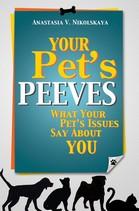 | | Your Pet’s Peeves: What Your Pet’s Issues Say About You
"Your Pet’s Peeves" includes a collection of captivating cases by Nikolskaya who exposes the frustrations, motivation, and humor during her consulting sessions with pet owners. In recounting her clients’ dilemmas, Nikolskaya gives pet owners a unique opportunity to see themselves through others while equipping them with strategies to improve their pet and even their families.
If you’re frustrated with your pet for habitual or chronic misdeeds, well, guess what, that animal may have even more reason to be frustrated with you. Anastasia Nikolskaya, or “Dr. Stacey,” says pet owners who complain about a problematic pet are often surprised to discover they are the basis for the issue. Using fascinating cases and interviews from her practice as an animal psychologist, the book describes problems as: an “animal” issue; a “human” issue; or an issue with both parties. Ultimately, you get a book that betters both your pet and you. |
|
|
|