I know that screenplays, instruction manuals, and some other forms of printed matter are written in present tense. However, there was a discussion in one of my writing groups via email that novels are now being published in present tense. The votes on this among the group are divided.
One writer said it annoyed her because in the novel she'd read, only parts were written in present tense and the switching back and forth was maddening. When she ran into this form it was like running into a brick wall. It caused an abrupt halt in the flow of rhythm.
Another writer claimed the backflashes in the novel were all present tense and it wasn't too bad.
However, the general consensus was that either a novel be written one way or another. Not a mixture of tenses. This switching back and forth caused disruption.
I haven't seen any of these novels myself, so I don't have an opinion. But from what I've heard, the general consensus was dead on. Either do it one way or another. Although after reading novels that have been written in past tense for so many years, the transition won't be easy.
I've read novels in both present and past tense. The key is consistency.
Cynthia
Reviewed by Elizabeth Taylor (Reader)
Reviewed on November 5, 2005
I think too much emphasis is placed on tense, and not enough on content or common sense for that matter. Then it is repeated by writers because it is the "in" thing to complain about and always comes up in a critic group. (Have you recovered yet?)
Harlequin and the other book mills with 300 pages or less scream present tense and have for years. They still produce trash. To find a good novel without the "formula" they demand, is rare and if you can find 1 in ten worth reading, consider it a miracle. Then the books fall apart after first reading, they are so poorly made. I stopped buying years ago.
If any reader (and especially writers) dwells on that precious" present tense, considers it a such a stumbling block, they need to go back to school and LEARN what reading is all about. They've obviously missed something and must have opted out of a history class or two. (What we will see next is a rash of some beginning writer giving a workshop on "present tense.")
I just finished two novels, one by Clive Cussler, and another by Ted Bell. Those boys know how to write and they wouldn't dream of writing in present tense only. They are also on the best sellers list.
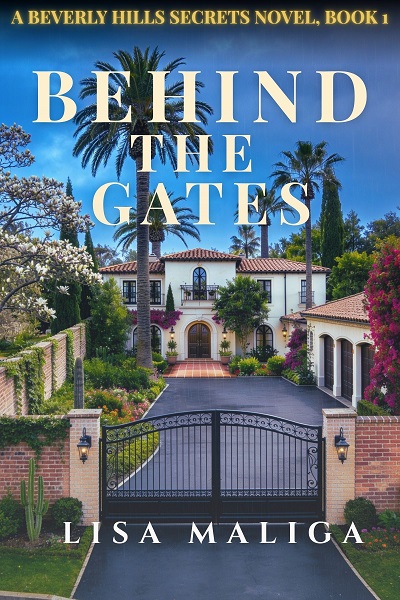
The higher you go into the hills, the deeper the secrets...
A seemingly innocent piece of mail shatters the illusion of Beverly Hills luxury, forcing a terrifying statement from a powerful action movie mogul: "they can't kill us fast enough."
The FBI Inspector (380 pages) is a collection of 25 short fiction crime novellas involving the law enforcement services of FBI Inspector Joe Giralo along with his three government agents, Sal Velardi, Arthur Orsi and Dan Blachford.



I've read novels in both present and past tense. The key is consistency.
Cynthia
Harlequin and the other book mills with 300 pages or less scream present tense and have for years. They still produce trash. To find a good novel without the "formula" they demand, is rare and if you can find 1 in ten worth reading, consider it a miracle. Then the books fall apart after first reading, they are so poorly made. I stopped buying years ago.
If any reader (and especially writers) dwells on that precious" present tense, considers it a such a stumbling block, they need to go back to school and LEARN what reading is all about. They've obviously missed something and must have opted out of a history class or two. (What we will see next is a rash of some beginning writer giving a workshop on "present tense.")
I just finished two novels, one by Clive Cussler, and another by Ted Bell. Those boys know how to write and they wouldn't dream of writing in present tense only. They are also on the best sellers list.
Smooch...
Love, Bette