Anthony T Eaton, click
here to update your pages on AuthorsDen.
What Kind of Leader Are You? by Anthony T Eaton
Not "rated" by the Author.
Everyone has a leadership style even if they are not in a formal position of leadership. Some styles may be more effective than others depending on the situation but all styles can be used positively or negatively.
The first key in deciding what kind of leader you want to be is to understand what kind of leader you are right now.
• Charismatic
Charismatic leaders encourage certain behaviors through the strength of their communication skills combined with their personality. Charismatic leaders are inspirational and those that follow them enthusiastically do things as a result of being inspired by a goal or vision.
• Participative
Participative leaders involve others in identifying and setting goals, developing strategies and procedures. Participative leaders are more facilitator helping to align others to goals and objectives by actively involving them in the process.
• Situational
Situational leaders are able to adjust their style to different situations and individuals they are working with. Situational leaders adapt their style rather than expecting others to adapt to them. Different approaches are used such as telling and directing, participating, delegating and developing and move easily between the other leadership styles as needed.
• Transactional
Transactional leaders focus on structure, supervision, organization, performance and results. Transactional leaders have an expectation of compliance and frequently use rewards and discipline. The status quo is important to transactional leaders and they tend to not be interested in transformation or change.
• Transformational
Transformational leaders are focused on change and work with other in identifying opportunities creating a vision and direction. Transformational leaders facilitate change by inspiring and motivating others to gain commitment and increase performance. Being seen as a role model for others is important in setting the tone and creating interest and inspiration.
• Servant
Servant leaders are focused on others, the organization and what they can do for them. There is an inert desire to serve and help others be successful. Servant-leaders are often found in roles that are designed to help others such as social work, ministry, and volunteerism amongst others. In a traditional corporate environment, they will have a strong desire and focus on helping others to develop.
• Authoritative
Authoritarian leaders use others as a means to an end. Information is controlled and guarded. Authoritative leaders operate from a sense of power and control over others and situations. In the extreme, they can be brutal with whatever it takes attitude and complete disregard for others. In lesser degrees, they have the ability to take control of situations and make decisions when others cannot.
Individual leadership styles are unique to each person and most people exhibit multiple leadership styles influenced by internal and external forces. Typically people have a dominant style. Understanding the predominant style you exhibit allows you to intentionally and consciously make adjustments if you want to change the kind of leader you are.
Regardless of your position title or lack thereof, everyone has a style and is a leader because of their actions and behaviors influence and affect someone either positively or negatively. While changing our natural leadership style is possible it involves focused attention and work through introspection and understanding of the leader we are and the one we want to be.
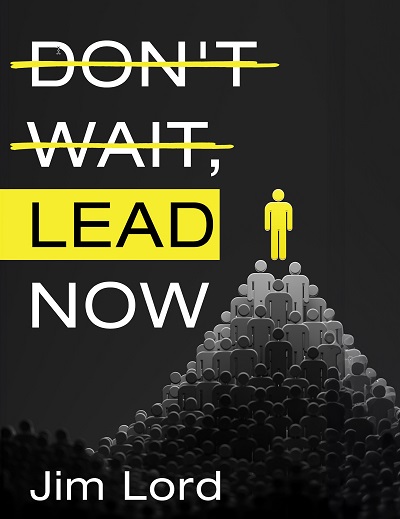
Don’t Wait, Lead Now is a must-read for emerging leaders and anyone in leadership that wants to up their game— full of practical, real-world examples that highlight the traits and behaviors that create high-performing teams.
Learn to profit from the Natural Cycles of the stock market.
An illustrated introduction to the relationship between planetary orbits in the solar system and periodic cycles in the Dow Jones Industrial Average.
Practical application