Institutions—be they educational, legal, or corporate—often function as tribal enclosures. They reward conformity to internal codes and punish deviation, not unlike ancient clans protecting sacred customs.
Academia: Original thought is often sidelined unless it aligns with prevailing paradigms. Learning that threatens the tribe’s epistemic order is labeled “fringe.”
Healthcare & Law: Systems designed to serve all often reflect the values and fears of dominant groups. The “master” is the sum of institutional thinking—protocols that resist change unless it reinforces the tribe’s sense of control.
Religion: Even spiritual institutions, which should dissolve ego-boundaries, often become tribal fortresses defending dogma over direct experience.
Politics: The Theater of Tribal Signaling
Modern politics is perhaps the most visible arena of tribal defense. As David R. Samson puts it, political tribalism has become an existential threat to humanity.
Binary Polarization: In two-party systems like the U.S., political identity has become a surrogate for selfhood. People marry, hire, and vote based on tribal allegiance, not shared humanity.
Charismatic Leaders as Tribal Shamans: Figures like Trump or Modi use “tribal signaling” to activate belonging instincts. They don’t need coherent policy—they need to feel like the tribe’s protector.
Policy as Identity Armor: Immigration, climate, healthcare—these aren’t just issues. They’re tribal totems. To question them is to risk exile.
AI: The New Tribal Oracle
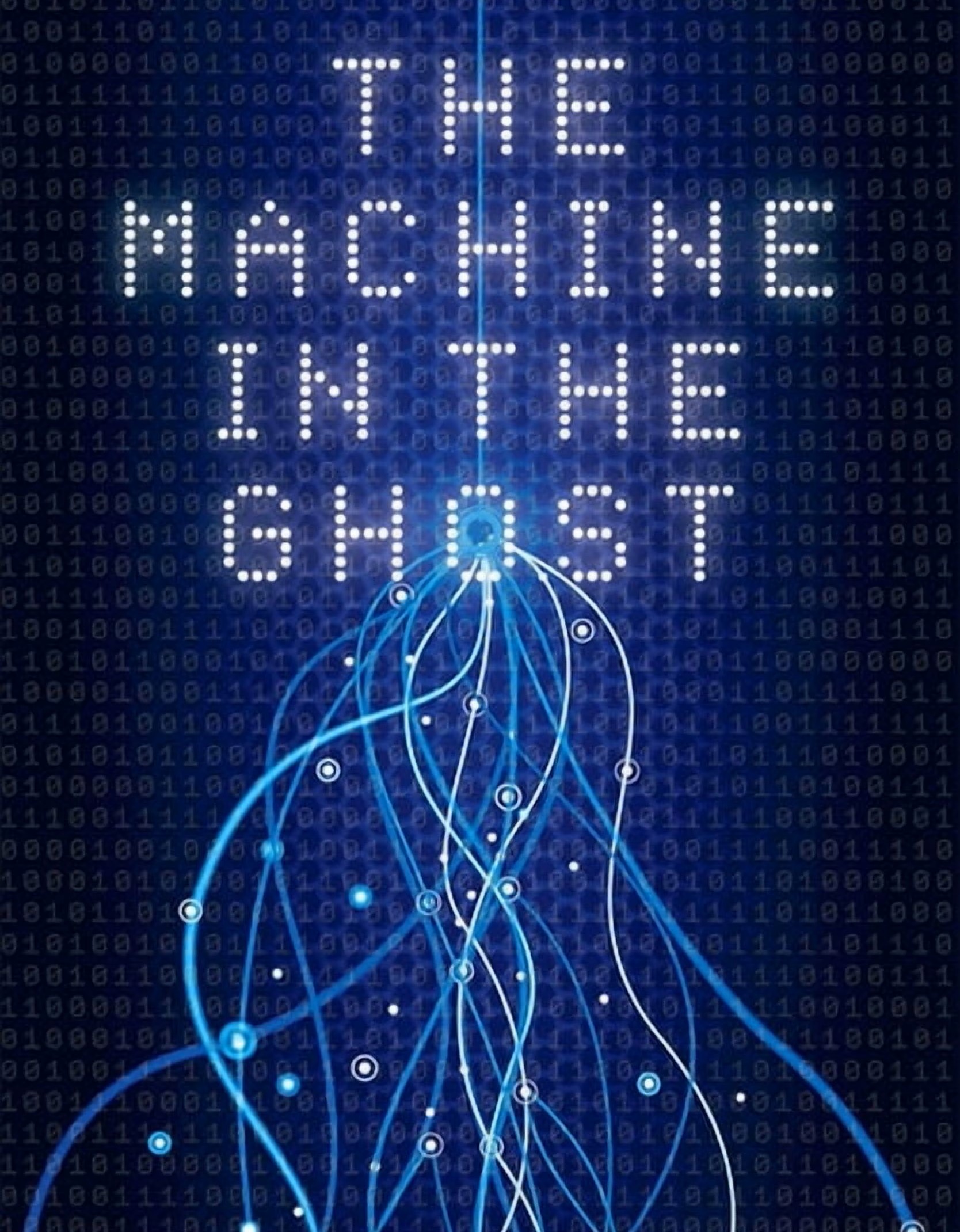
AI, ironically, both reflects and amplifies tribal defense mechanisms.
Algorithmic Echo Chambers: Recommendation systems reinforce tribal narratives. The more you engage, the more you’re fed what your “tribe” believes.
Bias in Training Data: AI inherits the fears and preferences of its creators. Without conscious correction, it becomes a digital enforcer of tribal norms.
Sovereignty & Surveillance: In Indigenous contexts, AI can either empower tribal autonomy or become a new colonizer if imposed without consent.
Even in AI ethics, tribalism shows up: whose values are encoded? Whose fears are prioritized? The “wild card” here might be open-source AI—chaotic, unpredictable, but potentially liberating.