Fate
by Rubén Darío (1867-1916)
To René Pérez
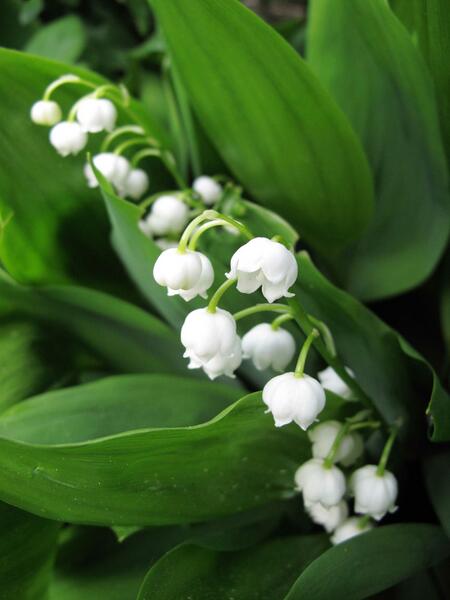
Lucky is the tree with hardly any feeling,
still luckier the rock, for it can’t feel at all,
for there is no pain like the pain of living,
for the conscious life’s the greatest weight of all.
Being and not knowing, on the course unknown,
and the fear of having been and a future terror...
And the sure dread of being dead tomorrow,
and suffering through life and the fear of error,
of something unsuspected, something we don’t know,
and the flesh that’s tempting like flowers and plums,
and the funeral wreaths upon the grave bestowed,
not knowing where we go
or from where we come...!
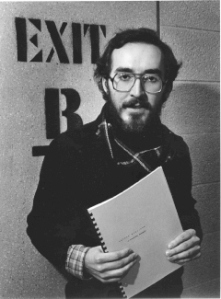
--translated by Alexander Shaumyan
Lo fatal
A René Pérez
Dichoso el árbol que es apenas sensitivo
y más la piedra dura, porque ésta ya no siente,
pues no hay dolor más grande que el dolor de ser vivo,
ni mayor pesadumbre que la vida consciente.
Ser, y no saber nada, y ser sin rumbo cierto,
y el temor de haber sido y un futuro terror...
Y el espanto seguro de estar mañana muerto,
y sufrir por la vida y por la sombra y por
lo que no conocemos y apenas sospechamos,
y la carne que tienta con sus frescos racimos
y la tumba que aguarda con sus fúnebres ramos,
¡y no saber adónde vamos
ni de dónde venimos...!
--Rubén Darío
(1867-1916)
Cantos de vida y esperanza
____________________________
Rubén Darío was a Nicaraguan poet who initiated a revolutionary literary movement in Spanish literature known as Modernismo. His work marked a departure from late Romantic poetry, with its emphasis on sentimentalism and personal expression. Darío's poetry, on the other hand, is characterized by its formal innovation, sophisticated language, and cosmopolitan themes.
Darío's Modernismo introduced a new aesthetic sensibility, influenced by French symbolist poets such as Charles Baudelaire, Paul Verlaine, and Stephane Mallarme. He incorporated their focus on symbolism, musicality, and the evocation of moods and sensations into his own writing. Darío's poems are rich in imagery and allusions to mythology, history, and the arts, creating a world of beauty and artifice that celebrates the senses.
His influence remains significant for contemporary readers. Darío broadened the possibilities of Spanish-language poetry, paving the way for subsequent generations of poets. His emphasis on formal experimentation and his exploration of new themes and styles challenged traditional poetic conventions. Darío’s work continues to be studied and appreciated for its beauty, innovation, and enduring legacy within the Hispanic literary world.
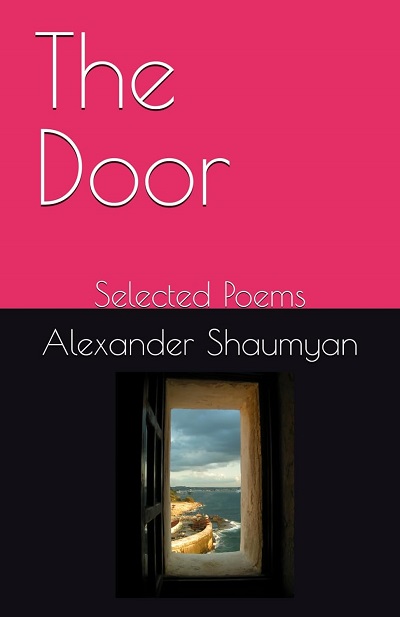
The Door: Selected Poems



 Share
Share Print
Print Save
Save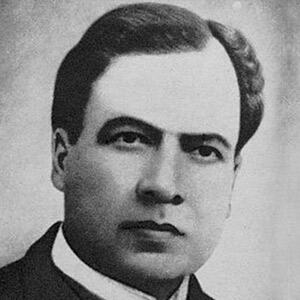








But life is still fateful for much of the world's population. We can change that. But it will take more than poetry.
Ron