How to Increase Your Emotional Intelligence
By Bill Cottringer
Since the early nineties, we have all become aware of the importance of a major success driver that Daniel Goleman first introduced as “emotional intelligence.” This was very useful for people of average intellect, because they now had the hope and ability to learn how to achieve above average success. This article suggests some practical ways to increase your personal and group emotional intelligence and in turn, improve your successes. First let’s get on the same page with a quick summary of what we mean by something we are very familiar with but maybe just didn’t have a clear name for—emotional intelligence. Be sure and take the quick EI assessment at the end to identify your baseline starting point for self-improvement.
Here are the five main components of Goleman’s Emotional Intelligence, or EI for short:
1. Self-awareness is the ability to recognize and understand your moods, emotions and drives and the effect they have on others. Hallmarks of self-awareness include: Self-confidence, realistic self-assessment of strengths and weaknesses, and self-depreciated sense of humor.
2. Self-regulation involves controlling and redirecting disruptive emotions, moods and impulses; and requires thinking before acting. Hallmarks of self-regulation include: Trustworthiness, integrity, tolerance for ambiguity, and openness to change.
3. Motivation is pursuing goals with passion and energy and being internally driven. Motivational hallmarks include: Commitment and a strong drive to achieve, optimism in face of failure and resilience in recovering gracefully.
4. Empathy is the ability to read how others think and feel and reacting to other’s emotions properly. Hallmarks of empathy include: Cross-cultural sensitivity, graciousness in serving others, and genuine concern, respect, and love for others.
5. Social skills involve the proficiency in managing relationships, good rapport-building with others, being agreeable and likeable, and getting along with others well. Hallmarks of social skills include: Persuasiveness, good at team-building and leading, and excellent interpersonal communication.
(From: Goleman, D. “What Makes a Leader?” In On Emotional Intelligence, HBR 10 Must Reads Series. Boston HBR Press, 2015).
Ten Keys to improving personal EI:
· Having the courage and commitment to pursue continuous learning, growing and improving into your best self, without hesitation or rest.
· Understanding exactly what emotional intelligence is and what it involves doing or not doing.
· Realizing the strong relationship between EI and performance and success in relationships, work and life.
· Being willing to down-size one’s ego and becoming more self-less, humble and generous with attention to and concern for others.
· Becoming more open to valuable, but painful external feedback and criticism and applying it.
· Shifting motivation from external, instrumental rewards to internal, inherent satisfaction.
· Reading about EI and watching great movies and TV shows, especially those based on empathy and exploration into the dark side or adversities in life.
· Getting to know your own dark-side better, to decrease its unconscious power over you.
· Being more open to conflict and confrontation to get through it whole, instead of avoiding and running from it and having it return with vengeance.
· Actively seeking honest feedback about yourself from trusted others.
Increasing group EI formula:
Group EI = developing trust, identity an efficacy by increasing participation, collaboration and getting better decisions, more creative solutions, and higher productivity.
Ten Keys to increasing group EI:
· Building trust, caring and mutual respect by fostering a supportive communication climate (freedom, equality, acceptance, tentativeness, sensitivity and spontaneity) devoid of defensiveness (control, superiority, judgment, certainty, insensitivity and manipulation).
· Carefully orchestrating conflict and confrontation constructively in order to get past difficult emotionality and arrive at peak communication.
· Establishing group norms with appropriate sanctions to cultivate core values necessary to increase group EI—Building team identity over individual superstars, openly examining team effectiveness, freedom to explore different perspectives, brainstorming creativity without judgment, solving problems proactively and sharing differences and building on similarities.
· Studying group failures for success clues; remembering earlier successes.
· Experiment with fun ways to deal with stress.
· Acknowledging and rewarding gradual progress.
· Giving and getting deep feedback about semi-conscious behavior and attitudes.
· Assessing group progress realistically and implementing mutually agreed upon course corrections, without consensus always ruling.
· Group members doing more two-eared listening (what is and isn’t said, verbal and non-verbal communication) than one-mouth talking.
The good news here, is all these ways to increase emotional intelligence help each other to get more of it as you go. A good starting point is to do a self-assessment on the 5 EI factors rating yourself from 1-10 and then get some feed-back from others to see if they rate you the same way. Any areas shy of 10 or incongruent with how others see you, can serve as goals to work on improving.
EI Self-Assessment Questionnaire
Directions: Read the following statements and indicate how much they describe you. Do this by circling the number from 1 to 10 which best represents how you see yourself (or others see you if you are seeking feedback), according to this key:
1-3 = very low, beginner.
4-5 = about average, intermediate.
6-8 = above average, advanced.
9-10 = very high, expert.
|
1.
|
I understand my own moods, emotions and drives.
|
1 2 3 4 5 6 7 8 9 10
|
|
2.
|
I control my emotions, especially negative ones.
|
1 2 3 4 5 6 7 8 9 10
|
|
3.
|
I express my feelings openly.
|
1 2 3 4 5 6 7 8 9 10
|
|
4.
|
I read others well as to their thoughts, feelings and motives.
|
1 2 3 4 5 6 7 8 9 10
|
|
5.
|
I am generally agreeable and get along well with others.
|
1 2 3 4 5 6 7 8 9 10
|
|
6.
|
I listen to others a lot and learn from them.
|
1 2 3 4 5 6 7 8 9 10
|
|
7.
|
I am internally driven to achieve things for my own satisfaction.
|
1 2 3 4 5 6 7 8 9 10
|
|
8.
|
I am very optimistic even in the face of failure.
|
1 2 3 4 5 6 7 8 9 10
|
|
9.
|
I frequently express, caring, concern and love for others.
|
1 2 3 4 5 6 7 8 9 10
|
|
10.
|
I am good at building rapport with others.
|
1 2 3 4 5 6 7 8 9 10
|
|
11.
|
I am an excellent communicator.
|
1 2 3 4 5 6 7 8 9 10
|
|
12.
|
I often seek feedback as to how others see me.
|
1 2 3 4 5 6 7 8 9 10
|
|
13.
|
I feel good and bad with others when they feel that way.
|
1 2 3 4 5 6 7 8 9 10
|
|
14.
|
I usually think before I act.
|
1 2 3 4 5 6 7 8 9 10
|
|
15.
|
I have a healthy sense of self-confidence.
|
1 2 3 4 5 6 7 8 9 10
|
|
16.
|
I have a realistic sense of my abilities and weaknesses.
|
1 2 3 4 5 6 7 8 9 10
|
|
17.
|
I am usually humble and rarely self-centered.
|
1 2 3 4 5 6 7 8 9 10
|
|
18.
|
I enjoy serving others generously.
|
1 2 3 4 5 6 7 8 9 10
|
|
19.
|
I encourage conflict and confrontation when it is needed.
|
1 2 3 4 5 6 7 8 9 10
|
|
20.
|
I tolerate ambiguity quite well, not needing to be certain.
|
1 2 3 4 5 6 7 8 9 10
|
|
21.
|
I am very likeable.
|
1 2 3 4 5 6 7 8 9 10
|
|
22.
|
I am very persuasive with others.
|
1 2 3 4 5 6 7 8 9 10
|
|
23.
|
I am sensitive to differences in others and their feelings.
|
1 2 3 4 5 6 7 8 9 10
|
|
24.
|
I am always honest and trustworthy.
|
1 2 3 4 5 6 7 8 9 10
|
|
25.
|
I am quite resilient in bouncing back from failure and rejection.
|
1 2 3 4 5 6 7 8 9 10
|
|
26.
|
I check my ego at the door.
|
1 2 3 4 5 6 7 8 9 10
|
|
27.
|
I manage my time and stress well.
|
1 2 3 4 5 6 7 8 9 10
|
|
28.
|
I appreciate others perspectives on things.
|
1 2 3 4 5 6 7 8 9 10
|
|
29.
|
I am completely aware of how others perceive me.
|
1 2 3 4 5 6 7 8 9 10
|
|
30.
|
I can laugh at myself in a healthy, self-deprecating manner.
|
1 2 3 4 5 6 7 8 9 10
|
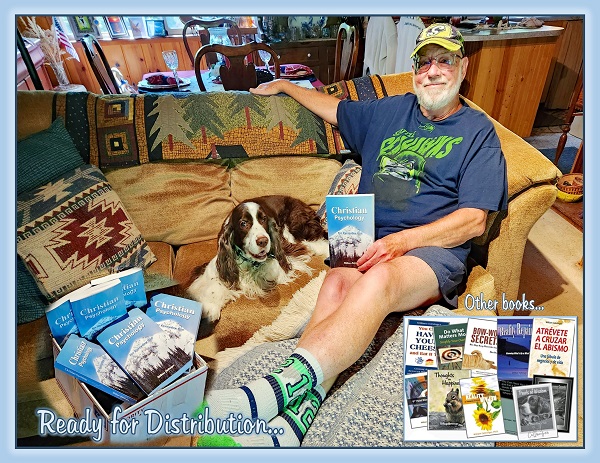
William Cottringer, Ph.D. is Executive Vice-President for Employee relations of Puget Sound Security Companies in Bellevue, WA and also a business and personal success coach, sport psychologist, photographer and writer living in the mountains of North Bend. He is author of several business and self-development books, including, Re-Braining for 2000, The Prosperity Zone, Getting More By Doing Less, You Can Have Your Cheese & Eat It Too, The Bow-Wow Secrets, Do What Matters Most, “P” Point Management, Reality Repair Rx and Reality Repair. He can be contacted with comments or questions at 425 454-5011 or bcottringer.pssp.net
























While reading, I couldn't help thinking that scoring high on all of these emotional attributes would lead to the perfect corporate follower. It seems to me that it's the maverick, often egotistical, abusive and outside thinker, that makes progress in this world, and not those that are so tuned to the corporation that they become worker ants.
Ron