Conflicts and Heartaches
by
Bill Cottringer
“Difficulties are meant to rouse, not discourage. The human spirit is to grow strong by conflict.” ~William Ellery Channing.
Conflicts are as much a part of life as change, taxes and death. Heartaches go together with conflicts like grass and weeds in a lawn. But further heartache about the initial pain brought on by the conflict, can be managed by the right attitude toward the conflict, and use of the right strategy of dealing with it. The right attitude to have, is that all conflicts are opportunities to grow into your best self by confronting the conflict assertively and having the patience and courage to do what it takes to arrive at a positive, productive outcome on the other side of heartache.
Unresolved strategies seem to come back with more vengeance upon resurfacing, so using a good resolution strategy is sensible, preventative medicine. Most conflicts require creative compromises and collaborative cooperation aimed at uncovering solutions that are win-win for all participants, without losing anything of great importance. Fortunately, the older traditional win-lose competitive model, with its abundance of passive-aggressive results, is being replaced by people knowing the value of competing against themselves and cooperating with others.
There are three fundamental types of conflicts that fill everyone’s lives, of which the results have a lot to do with how much success and happiness we can enjoy as opposed to the amount of failures and heartaches we must endure. These three main conflicts are discussed below:
1. The war between us and life.
The conflicts between us and life which we are born into include all the adversities that life throws at us, often as unexpected and unwanted curve balls. These can include problems like physical or emotional illness, physical handicaps, divorce and custody court cases, unemployment, tragic loss from natural disasters, poverty, or financial stress, being a victim or perpetrator of a crime, and food and drug addictions. The main defenses to abate the impact of these conflicts between us and life are maintaining an optimistic attitude and developing a habit of resilience.
2. The battle between us and others.
These interpersonal conflicts most often involve opposing values, agendas, beliefs and motivations, and personal claims to have a superior version of the truth of something. These conflicts are usually driven by insecurities, defensiveness, unverified assumptions, questionable beliefs, egos, pride, intolerance of differences, and always poor communication. Successful resolutions to these interpersonal conflicts can only happen when all parties are willing to be assertive in exercising their rights responsibly and conveying qualities of acceptance, freedom, equality, sensitivity, and tentativeness in their communication tone and words.
3. The fight between us and ourselves.
Our terrible twins within are often the basis for the other two conflicts, as a core problem. These terrible twins are the good and bad versions of our self that get in the way of healthy personal growth and development. In a sense, conflicts occur to provide the opportunity to nurture our best sides, while managing our dark sides better. A perplexing problem with our internal conflicts usually involves differences between our rational thoughts, feelings, beliefs and intuitions. Sometimes these mental functions are so intertwined, that it is hard to know which causes which, to unravel them in order to understand and manage them better.
Resolving these three sets of conflicts starts with choosing the one behavior that is actually under our control. The conflicts are our given destiny for the purpose of developing strength of character, while giving us the opportunity to exercise free will in choosing how to react to them—passively, aggressively, or assertively and with optimism or pessimism. This opportunity exists with each new conflict that challenges us and is always there to take advantage of regardless of the scorecard of the past. This is truly the one equal opportunity we all have right now.
In conclusion, the only way we are going to heal the many polar divides going on within ourselves, between us and others, and with us vs life, is to improve the way we manage information (proven facts), knowledge (governing principles), and wisdom (absolute truths). This will involve re-learning three important behaviors:
· Acknowledging and accepting our own natural insecurities and vulnerabilities, in realizing that everything we think we know isn’t necessarily so, in order to start learning all we need to know, which is way more than we currently know.
· Shifting our attentional focus away from conflicts in the past or anticipated scenarios in the future, to the present conflict at hand, with increased mindful awareness of what is going on right now.
· Respecting others and treating them the way we want to be treated ourselves, with acceptance, freedom, equality, sensitivity and provisionalism, by exercising our own rights and freedoms responsibly in not harming others.
“Whenever you're in conflict with someone, there is one factor that can make the difference between damaging your relationship and deepening it. That factor is attitude.” ~William James.
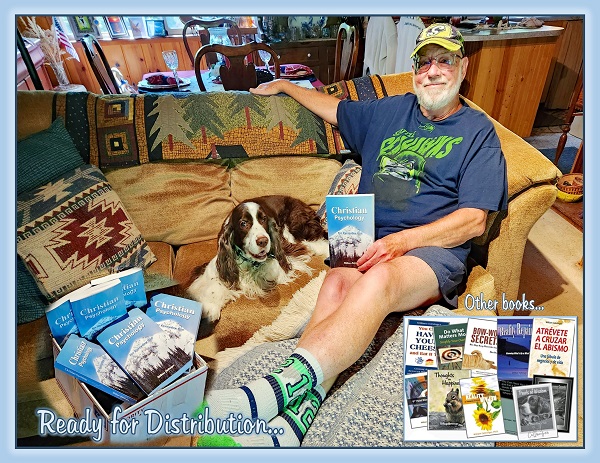
William Cottringer, Ph.D. is retired Executive Vice President of Puget Sound Security in Bellevue, WA, but still practices sport psychology, business success coaching, photography, and writing, living on the scenic Snoqualmie River and mountains of North Bend. He is also on the Board of Directors of the Because Organization, an intervention program in human trafficking. Bill is author of several business and self-development books, including, Re-Braining for 2000 (MJR Publishing); The Prosperity Zone (Authorlink Press); You Can Have Your Cheese & Eat It Too (Executive Excellence); The Bow-Wow Secrets (Wisdom Tree); Do What Matters Most and “P” Point Management (Atlantic Book Publishers); Reality Repair (Global Vision Press), Reality Repair Rx (Publish America); Critical Thinking (Authorsden); Thoughts on Happiness, Pearls of Wisdom: A Dog’s Tale (Covenant Books, Inc.). Coming soon: A Cliché a day will keep the Vet Away and Christian Psychology for Everyday Use (Covenant Books, Inc.). Bill can be reached for comments or questions at (206)-914-1863 or ckuretdoc.comcast.net.