For more than two decades, American Rivers has called attention to the nation’s most endangered rivers. A national non-profit conservation organization with more than 75,000 members, and hundreds of partner organizations, American Rivers is dedicated to protecting and restoring our natural rivers and the variety of life they sustain for people, fish, and wildlife.
The 2006 American River’s Most Endangered Rivers Report highlights the emerging science of river restoration, which promotes cost-effective, natural solutions. This approach can make rivers safer for the people living near them, while also securing cleaner drinking water, providing better habitat for wildlife, and enhancing recreational opportunities.
Here is Their Assessment of the Most Endangered American Rivers of 2006, and What Needs to Be Done to Save Them:
#1 Pajaro River: The Pajaro River in California, and the safety and well being of its riverside communities, are at a critical turning point. The U.S. Army Corps of Engineers is poised to recommend yet another old-style, over-engineered flood control project that will actually produce an ever increasing risk of catastrophic flooding. To protect these communities and restore the health of the Pajaro, the Corps must adopt a modern and comprehensive flood protection project that works with nature — instead of against it.
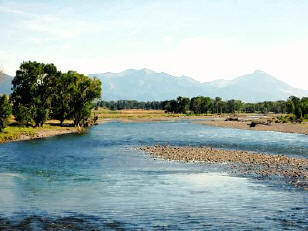
#2 Upper Yellowstone River: Dubbed “America’s last best river” by National Geographic Magazine, the Yellowstone River faces burgeoning riverside development, with much of the construction occurring in the river’s floodplain and involving considerable alteration of the wild river’s banks. The U.S. Army Corps of Engineers and the local officials of Park County, Montana must move urgently to guide development in a way that protects one of America’s most scenic rivers and avoids putting people in harm’s way.
#3 Willamette River: Home to more than 70 percent of the state’s population, the Willamette River Valley is the heart and lifeblood of Oregon, but a loophole in state regulations allows companies to dump millions of pounds of pollution into the river in “toxic mixing zones.” The governor must make good on his promise to clean up the Willamette and end the use of toxic mixing zones on the river.
#4 Salmon Trout River: The pristine Salmon Trout River is at the heart of one of Michigan’s largest remaining wild areas and provides drinking water and unparalleled recreation. However, a mining operation is poised to convert part of the river’s headwaters into an industrial zone, creating a risk of acid mine drainage that could contaminate the river and harm Lake Superior. The state government must deny the mining permit application for this mine.
#5 Shenandoah River: One of America’s most storied rivers, the peaceful Shenandoah is facing an onslaught of development that threatens the tranquility and clean water that have attracted people to the river for centuries. County governments along the Shenandoah have a rapidly-closing window to get a handle on runaway development before it changes the character of the river and valley forever.
#6 Boise River: Idaho’s Boise River provides drinking water, irrigation, and prized, family-friendly recreation, but if a Canadian mining company moves ahead with plans to blast two giant pits and remove over 1,000 feet of mountain in the river’s headwaters, it could also deliver cyanide and mine run-off to Idaho’s capital city. The Idaho Department of Environmental Quality should deny the mining company’s request for a permit, and the U.S. Forest Service should work diligently to protect the section of the Boise River within its jurisdiction.
#7 Caloosahatchee River: Drinking water for tens of thousands of people, a world renowned haven for birds and other wildlife, and the heart of a $2 billion local tourist economy, the Caloosahatchee is reeling from the effects of the Corps of Engineers’ decades of manipulation of Florida’s fabled “River of Grass.” Regular discharges of millions of gallons of fertilizer and toxic laden water from Lake Okeechobee into the river threaten the health and economy of South Florida. The Corps, the U.S. Fish and Wildlife Service, and local authorities must work together and quickly to regulate not only the toxic discharges from the lake but the agricultural runoff and other pollution that are fouling it in the first place.
#8 Bristol Bay: The Bristol Bay watershed in Alaska is an intricate system of lakes, streams and rivers that is the source of the single largest salmon run on earth, on the Kvichak River. But the Bay’s spectacular salmon runs and bountiful wildlife are threatened by plans to blast North America’s biggest open pit, cyanide heap mine into the headwaters of the Kvichak and Nushagak Rivers. As it crafts a management plan for the area in 2006, the Bureau of Land Management must protect these irreplaceable rivers in the only way that is sure to work, by closing the area to mining.
#9 San Jacinto River: The Republic of Texas was born on the banks of the San Jacinto, and the river and its tributaries still nurture remnants of the state’s fabled Big Thicket bottomland hardwood forests. But unregulated sand mining, in which companies peel off huge swaths of forest to excavate the sand beneath them, threatens the health of this storied river and the people who depend on it for drinking water and recreation. It is time for Texans to protect what’s left of this unique place and have some say over the sand mining companies that are stripping off and hauling away the land that once absorbed and filtered the waters of the San Jacinto.
# 10 Verde River: As a critical source of drinking water for Phoenix and other communities, and a haven for boating, fishing and bird watching, the Verde is a jewel in the desert, but could find itself drastically diminished if plans move forward to increase pumping of water out of the aquifer that feeds the river, pitting one community’s water supply against another. The Corps of Engineers, the U.S. Fish and Wildlife Service, and local governments must closely review the impacts on the Verde of any pumping from the Big Chino aquifer, especially the project recently proposed by the City of Prescott and the Town of Prescott Valley.
To learn more, and to learn how you can help save America’s river systems, visit the website listed below.


















Birgit and Roger
This is a wake up call to the American people and Federal Government
over the increasing onslaught and detrimental effect on American rivers and waterways by Corporations, Big Business and Agricultural
practices !!
The Corps of Engineers, the U.S. Fish and Wildlife Service, and local governments must get a handle ont his disturbing trend and soon !
Thanks again Ed, for your sterling efforts as Defender of the Environment and Wildlife...
You are a Saint amongst our midst...:)
Peter
love Tinky