Bird watching is easy. Many of us have been doing it since childhood. But serious birding can become overwhelming. First there’s the expense of the binoculars. There are so many makes and models—but really, any 8 x 40 or 10 x 50 will do. There are lots of good brands. Just get a pair that feels right for your eyes and consider the weight. If you don’t feel like carrying them around, you won’t use them.
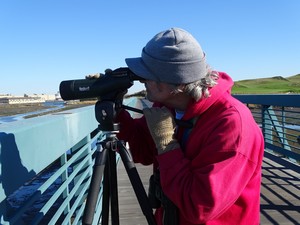
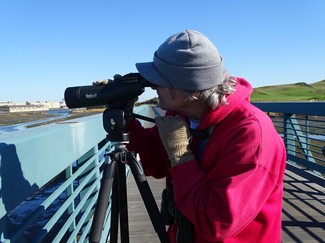
Then you’ll meet someone with a scope and you’ll wonder if binoculars are good enough. But which scope to buy? There are lots of good brands out there. But consider, do you really want to carry a tripod around all day? Scopes are great to have for shorebirds and watching birds at birdfeeders. Don’t bother with them if you favor watching warblers.
Next is bird photography. Which camera should you buy? What features are best? There are a lot of good cameras out there. But do you understand depth of field? The fact is, if a bird is not within the depth of field of your lens, you won’t get a clear shot, no matter how fancy and expensive your lens is.
Or would video photography be better? Some of the video cameras have incredible zoom capabilities, almost better than digiscoping and you can use freeze frame to produce still shots for email and web sites. But you will also need to have the software for all of this and how much time do you want to spend at the computer editing your shoots?
What’s digiscoping? That’s where you connect a very good “still” camera to a very good scope and get incredible close-up pictures of birds. This is for patient people who love bird portraits. If you prefer including the habitat, you won’t be able to include it because the depth of field won’t allow much of it in digiscoping.
If you aren’t disoriented yet, there’s the photo-video posting sites. Which one is best? Flickr.com? Vimeo.com? Or FaceBook? Many photographers doubt that FB is a safe place to post your prize winning photos because they offer little copyright protection. Do you have to join all of them just to keep your friends happy?
These days, regular birders wonder, “If I report a rare bird, will it even be accepted if its not photographed? Even more important, will it be accepted if it doesn’t have the GPS embedded in the photo to prove you really did see it where you said. If you do see a rare bird, how many sites should you post it on? Or would posting draw a mass mob of crazy bird photographers who would scare the bird away? These are ethical issues that bird watchers argue all the time.
Thankfully there are many bird watching organizations that deal with these issues and can give you advice. But let’s consider how many birding organizations there are. At first glance they all seem the same. They are all focused on birds, so what’s the difference? Some focus on the bird watcher, informing you of great places to go to and where to stay while you are there. Other organizations focus on education, teaching the public how to identify birds, how to photograph birds, how to plant your yard to attract more birds. Still other organizations are politically active trying to preserve forests and fields to assure plenty of habitat for birds, especially rare or endangered birds.
And then there’s the terminology. What is a rare bird? What is an endangered bird? It depends on the state you live in and what has been deemed endangered. What’s an irruption of owls? Is it bad to have a FOS bird? How about a FOY bird? Do you really want to see a fall out? How about a kettle?
Bird watching is a hobby that can start out simple and then get really complicated. I got into it just to appreciate nature and know a few of the birds I saw coming and going throughout the seasons. (First Of Season Birds)
Birding is a lot more fun if you don’t let the peer group pressure you to get out of bed at 3:00 a.m. to see a Mourning Warbler or make you spend your late nights at a discount camera shop looking for a (cheaper but) bigger lens? Don’t go climbing into that wild cherry tree just to get a close-up of that Black-throated Blue only to fall out and break an arm. Take a word of advice, try not to let birding get you disoriented and caught in a net. Just enjoy it. Please.







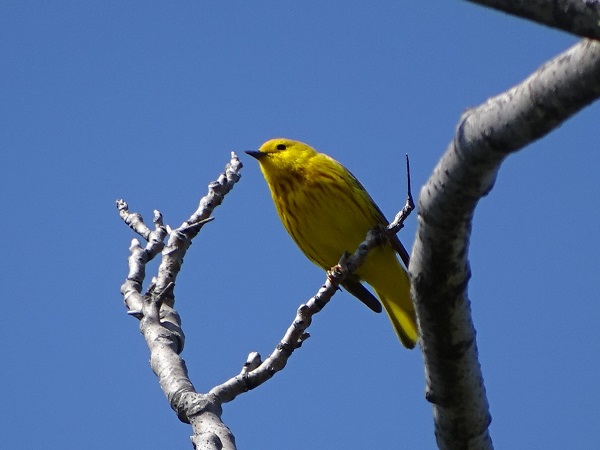


And, I can no longer hold binoculars, so my view of birds is generally only in my backyard without my glasses, viewing them through my myopia. Still it's wonderful to see a new species come through, even if it's only momentary in migration.
From what I read of your article, like anything else, birding can become an expensive and obsessional behavior--something I've always tried to avoid so I can retain my bank account and dabble in all kinds of things. But, I am thankful for birders who keep careful count of populations and help warn us of impending extinction or other natural/unnatural disasters coming our way. In that case, birders are our "canaries in the mine," so to speak, and are greatly appreciated for their/your dedication.
Ron