A few months ago Thomas Kohnstamm came out with a expose of guidebook writing, specifically Lonely Planet guides. Thomas complains of low pay, little support and the publishers' absurd expectations that an author would not take freebies. He also claims that he plagiarized some of the material he wrote for Lonely Planet books on Colombia and Brazil.
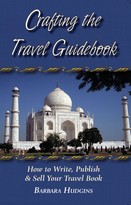
In my book, Crafting the Travel Guidebook, I spend several pages on the topic of plagiarism, copyright infringement and second-hand prose. Sounds like Thomas did what a lot of travel writers do--he filled up some space with second-hand material gleaned from destination websites and other guidebooks.
But since Thomas K's so-called plagiarism was mostly rehashing second-hand stuff (he never visited Colombia) and the portion he wrote was about history, he could come off with credible material without stepping a foot outside his house. But he's not the only one. There is no doubt that lots of travel writers use "hamburger helper"--a little meat and lots of filler.
Do travel writers plagiarize?
Do they include places they have not actually visited?
Yes, to book questions, although I'm sure there are some who have never committed either sin.
Back in the 1990s, I had to sue a well-known American travel publisher because one of their authors had simply lifted 25 pages of my regional guidebook and changed some words ever so slightly. After research, I discovered that he had also plagiarized three other books. Essentially, the complete book was a fraud. But what amazed me was that the editors at this place never noticed that one of the books he had copied from was actually published by their own house! And this was a publisher with only a few hundred books, not thousands. How could they have missed this?
Since that day I have never respected the sagacity of editors from traditional publishing houses. They want a product they can put out pronto and they don't much care about the content so long as it looks good and reads well.